Description
🐟 Albino Bristlenose Pleco (Ancistrus sp.)
📌 Basic Info
-
Scientific Name: Ancistrus sp.
-
Family: Loricariidae
-
Origin: South America (Amazon Basin)
-
Size: 4 – 6 inches (10 – 15 cm)
-
Lifespan: 5 – 10 years
-
Tank Zone: Bottom dweller
🌊 Water Parameters
-
TDS: 150 – 300 ppm
-
pH: 6.5 – 7.8
-
Temperature: 22 – 27°C (72 – 81°F)
-
Hardness: 2 – 12 dGH
🐟 Characteristics
-
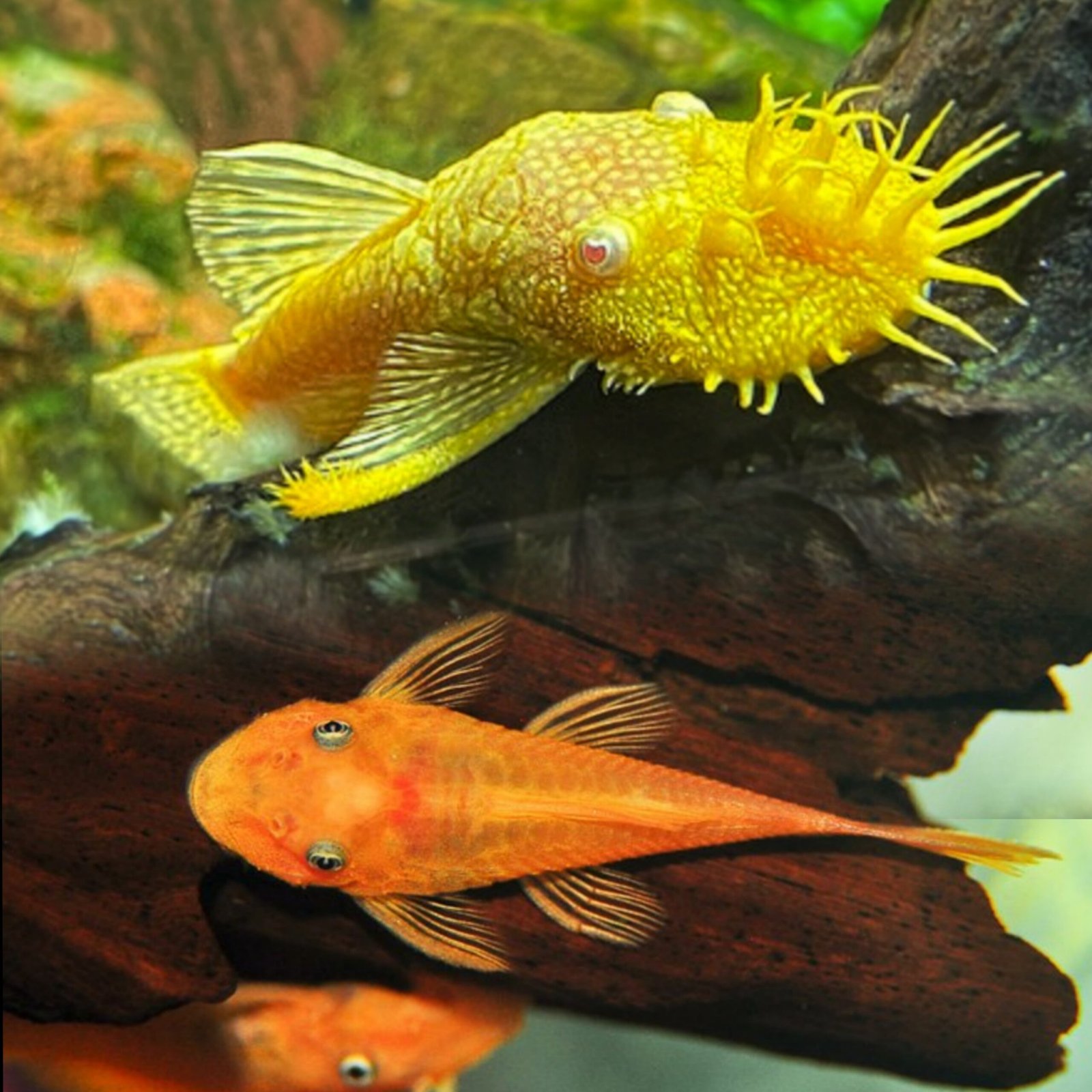
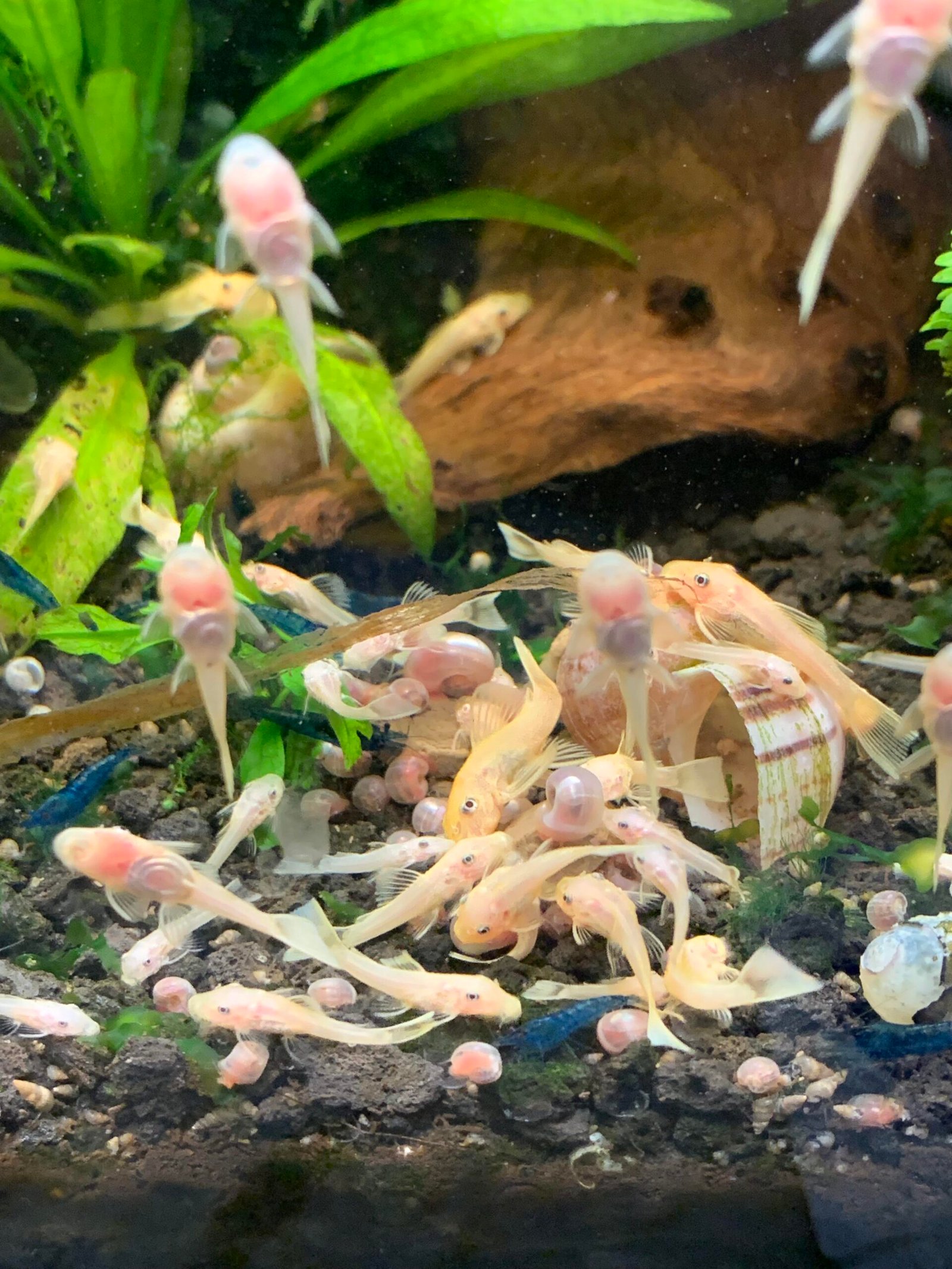
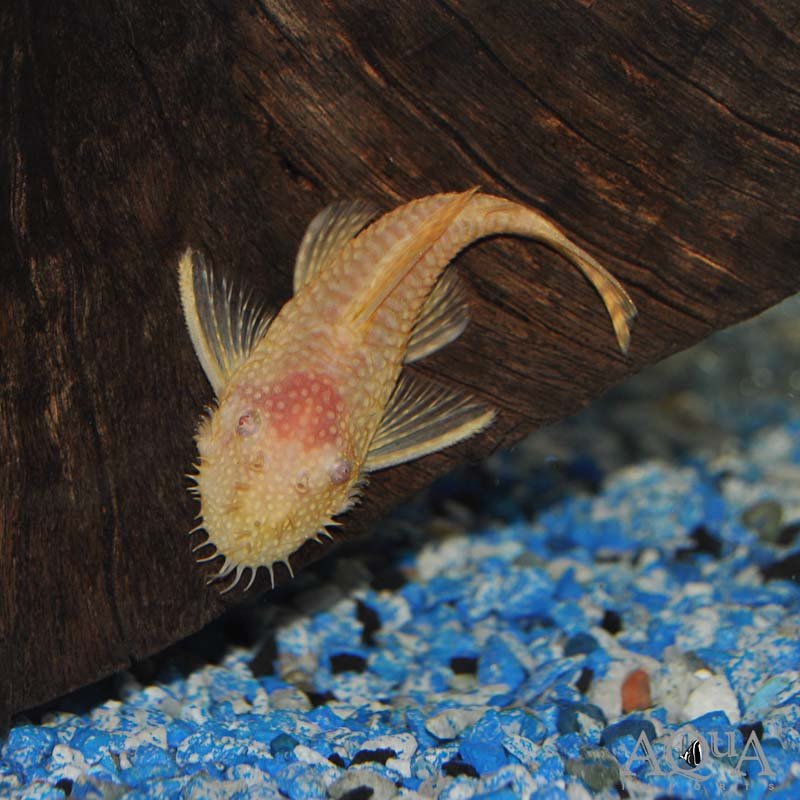
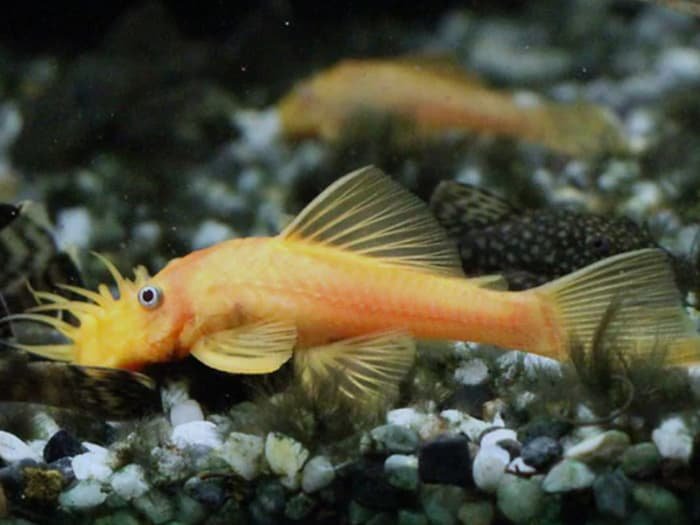
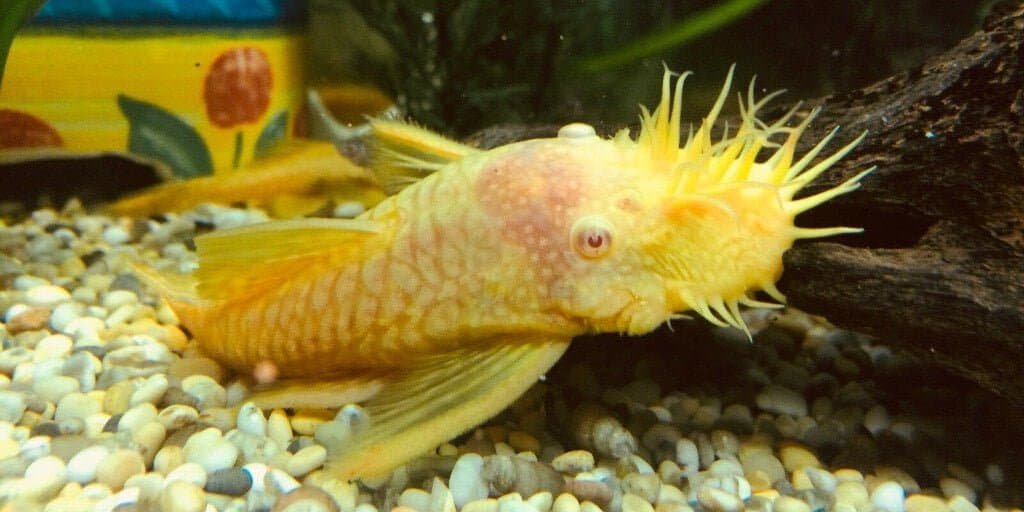
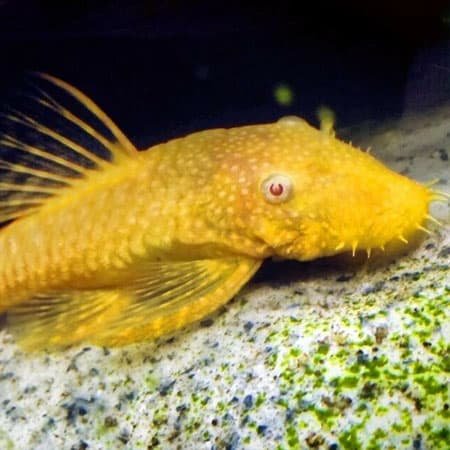
Creamy white to pale yellow body with bright red/pink eyes (albino trait).
-
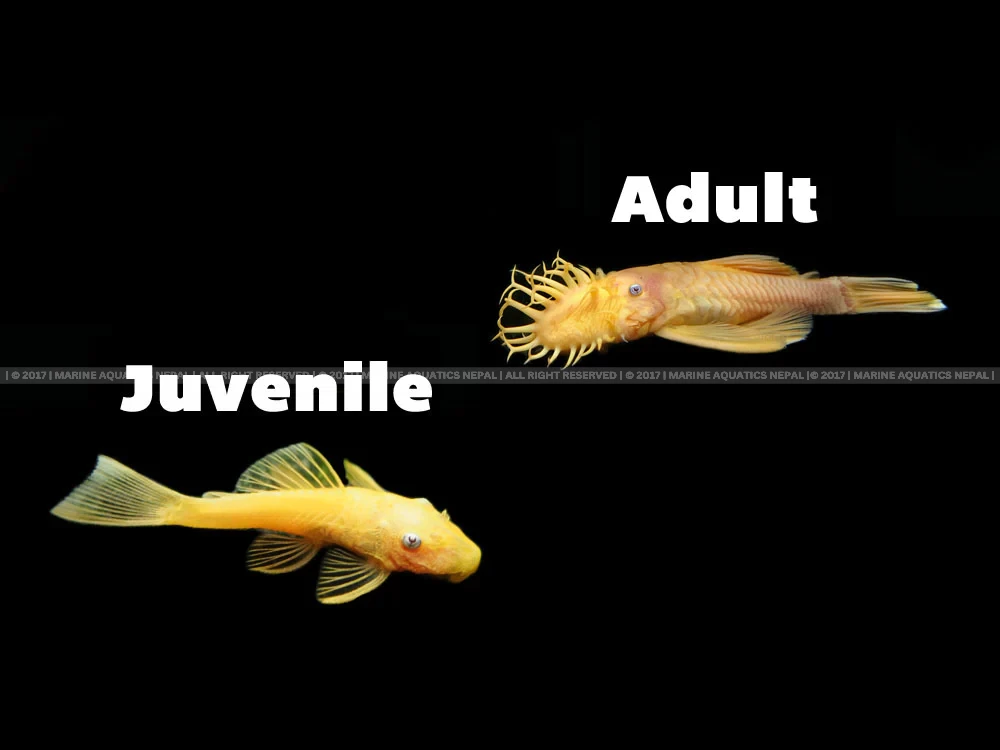
Males grow bristle-like whiskers on their snouts.
-
Hardy, peaceful, and excellent algae eaters.
-
Stays much smaller than Common Plecos, making them ideal for home aquariums.
-
Active at night but can be seen during the day in a safe environment.
🍽️ Food
-
Type: Omnivorous with herbivore preference.
-
Diet: Algae wafers, spirulina pellets, zucchini, cucumber, spinach, peas, and driftwood (for fiber). Occasionally bloodworms or shrimp.
-
Feeding: Once daily; remove leftover vegetables after 24 hrs.
🛠️ Maintenance
-
Tank Size: 30 gallons minimum for one adult.
-
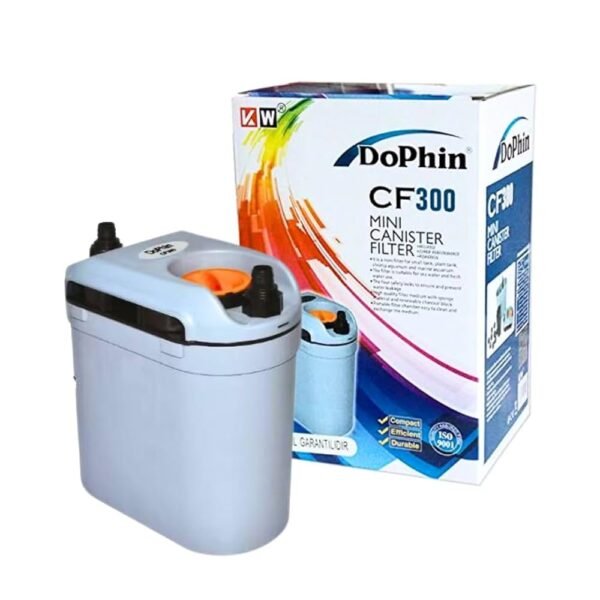
Filtration: Strong filter with good oxygenation.
-
Decor: Provide driftwood, caves, and hiding spots.
-
Water Change: 25–30% weekly.
👥 Social Behavior
-
Minimum Group Size: Can live alone or in pairs. Multiple males may fight if space is small.
-
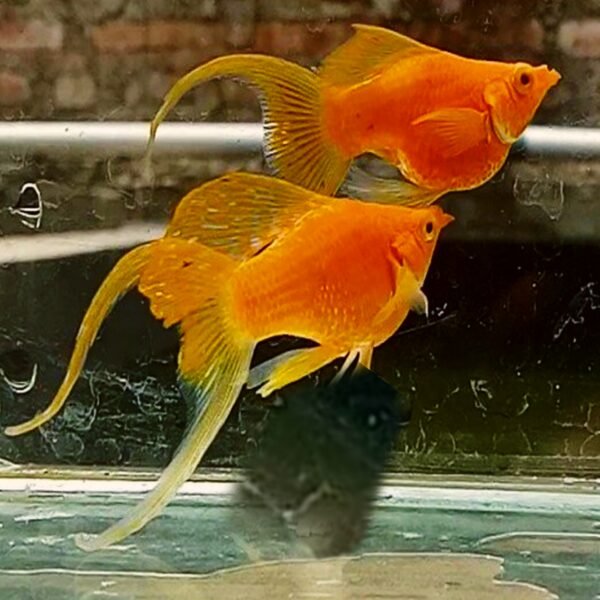
Tank Mates: Guppies, Mollies, Tetras, Corydoras, Gouramis, Rasboras, and peaceful Cichlids.
-
Avoid: Aggressive or overly large fish that may harass them.
✅ Do’s
-
Provide driftwood (essential for digestion).
-
Offer veggies regularly, not just algae.
-
Add caves or plants for hiding.
❌ Don’ts
-
Don’t rely only on algae growth for food.
-
Don’t overcrowd with multiple males in small tanks.
-
Don’t keep them in tanks smaller than 20 gallons.
⭐ Quick Tips
-
Albino Bristlenose Plecos are beginner-friendly, hardy, and great algae cleaners.
-
Their pale golden-white color with red eyes makes them stand out in community aquariums.
-
A perfect alternative to large Common Plecos for smaller tanks.

