


Description
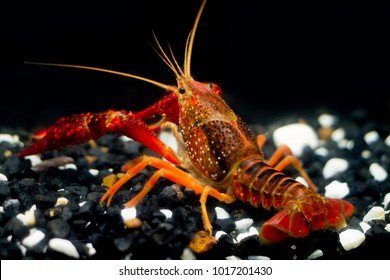
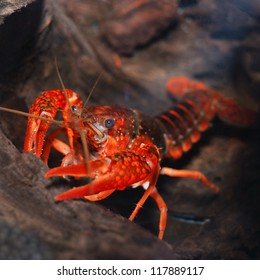
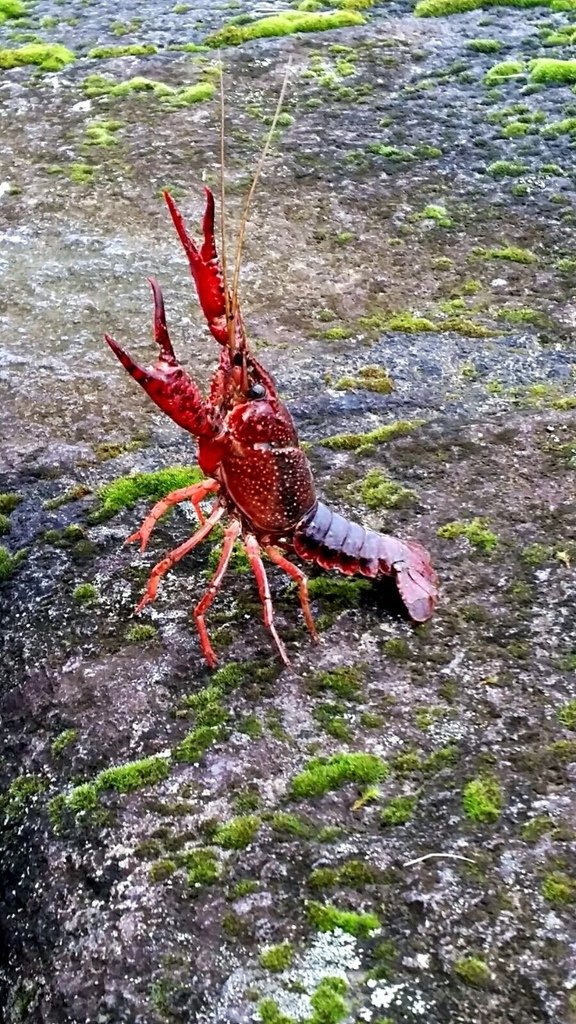
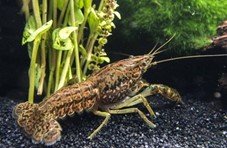
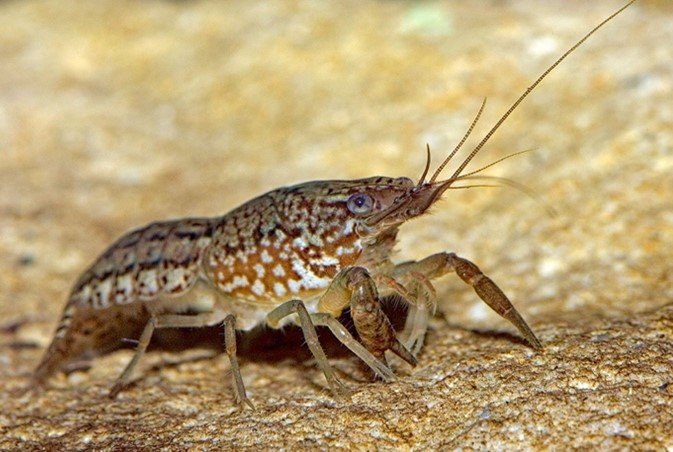
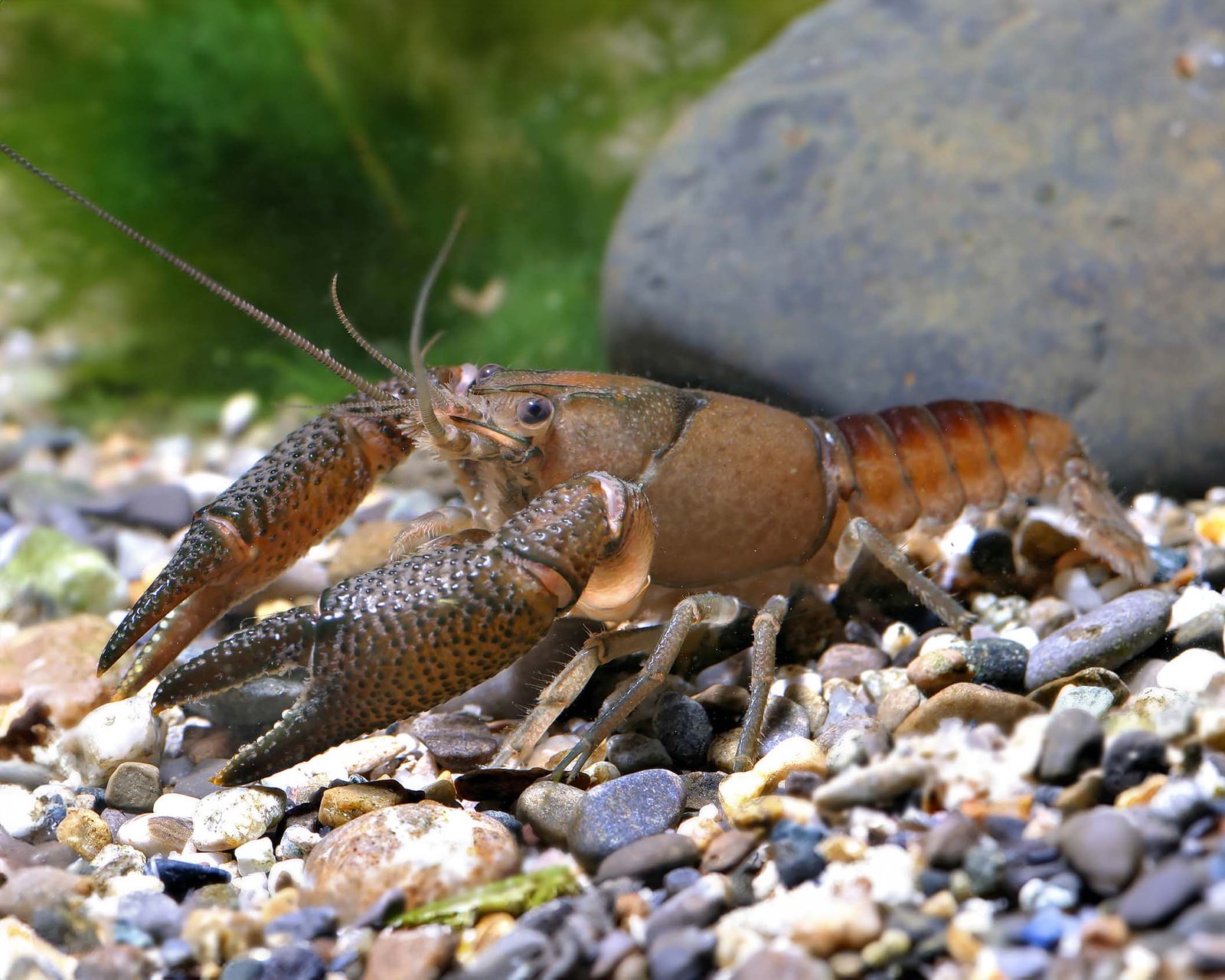
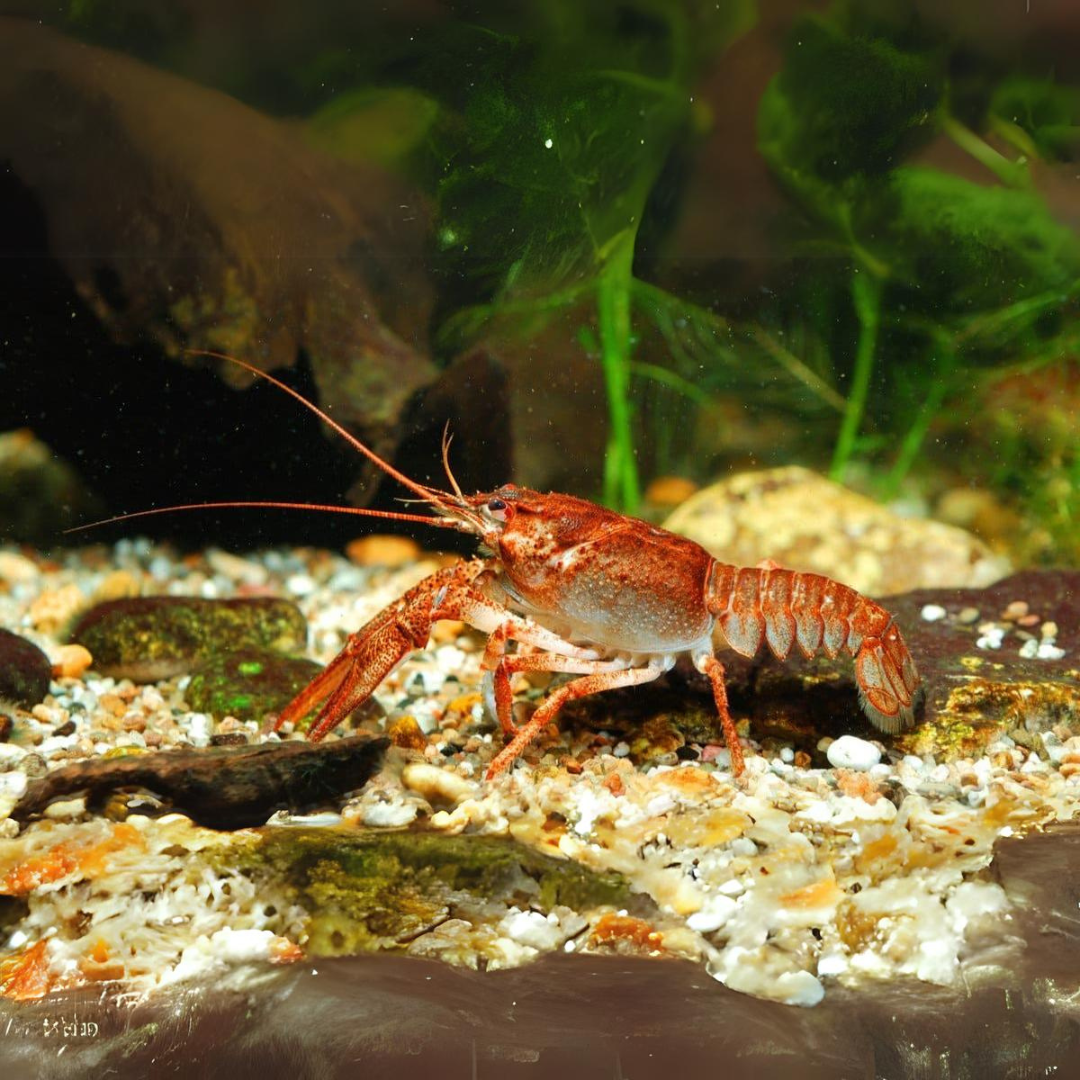
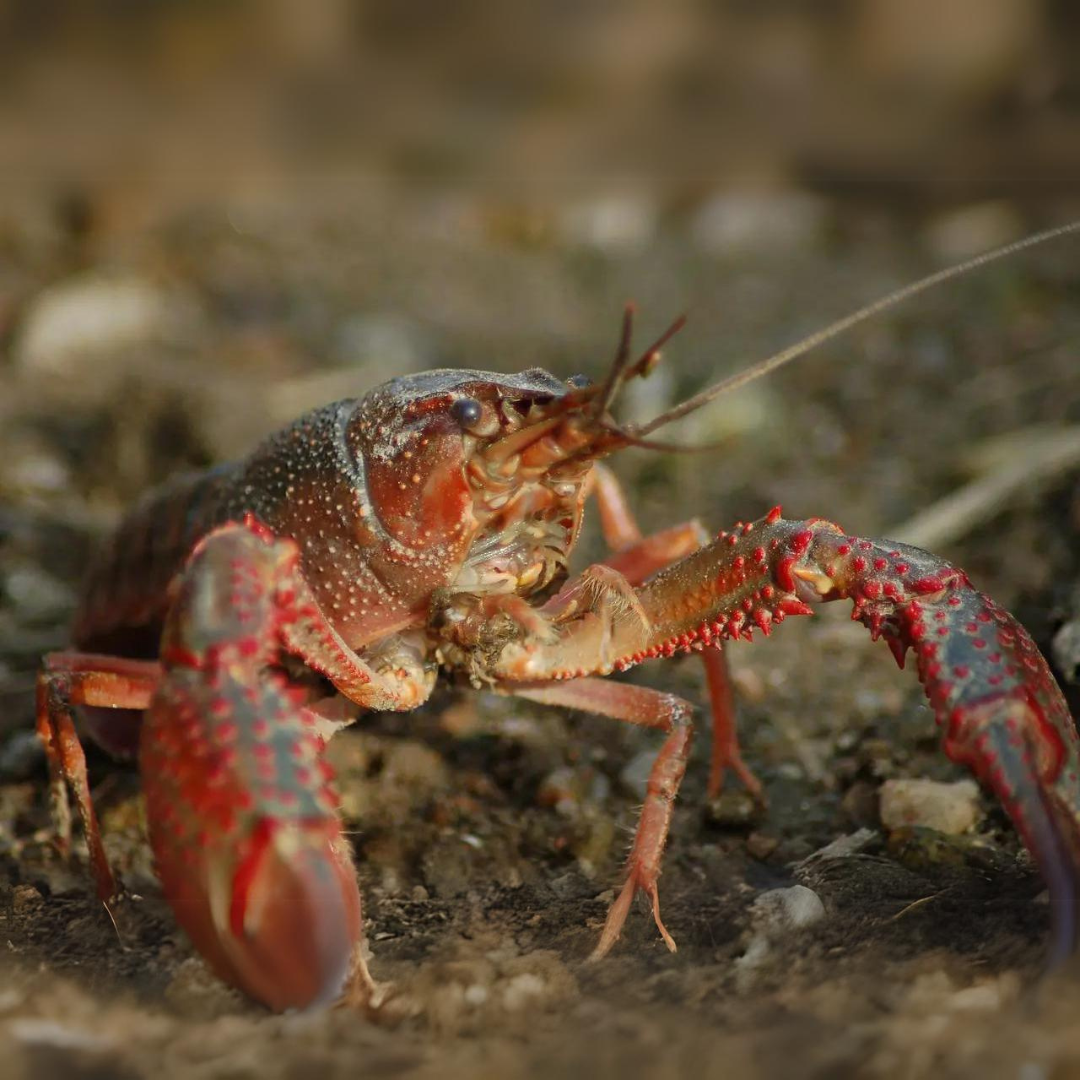
Brown Crayfish (Procambarus clarkii – Brown Morph / Wild Type)
📌 Basic Info
-
Scientific Name: Procambarus clarkii (wild-type brown form)
-
Common Names: Brown Crayfish, Wild Crayfish, Mudbug, Crawdad
-
Family: Cambaridae
-
Origin: Southern USA, Mexico; widely introduced worldwide
-
Size: 4 – 6 inches (10 – 15 cm)
-
Lifespan: 2 – 4 years (longer with good care)
-
Tank Zone: Bottom dweller
🌊 Water Parameters
-
TDS: 150 – 300 ppm
-
pH: 6.5 – 8.0
-
Temperature: 18 – 26°C (65 – 79°F)
-
Hardness: 6 – 15 dGH
🦞 Characteristics
-
Natural earthy brown coloration, sometimes with olive, gray, or rust-colored patterns.
-
Excellent camouflage in natural habitats like rivers, ponds, and muddy bottoms.
-
Strong claws, very hardy, and adaptable to different environments.
-
Digs burrows and may create tunnels in aquarium substrate.
-
Aggressive and territorial; will fight with tankmates or other crayfish.
🍽️ Food
-
Type: Omnivorous scavenger.
-
Diet: Sinking pellets, algae wafers, blanched vegetables (spinach, peas, cucumber), protein foods (shrimp, bloodworms, snails, fish food).
-
Feeding Schedule: Once daily; remove uneaten food.
🛠️ Tank Setup & Maintenance
-
Tank Size: Minimum 30 gallons for one adult.
-
Filtration: Strong filter with high oxygen levels.
-
Decor: Driftwood, rocks, caves, PVC pipes – important for hiding and territory.
-
Substrate: Sand or gravel; allows natural digging.
-
Water Changes: 25–30% weekly.
👥 Social Behavior
-
Solitary and best housed alone.
-
Can live with fast, upper-level fish like danios, tiger barbs, or giant danios.
-
Dangerous to slow-moving fish, snails, or shrimp – may attack or eat them.
-
Two crayfish in one tank often leads to fighting unless the tank is very large.
✅ Do’s
-
Provide hiding places, especially during molting.
-
Use a tight lid – crayfish are climbers and escape easily.
-
Offer calcium-rich foods to support shell growth.
❌ Don’ts
-
Don’t keep with small or slow community fish.
-
Don’t overcrowd with multiple crayfish.
-
Don’t expect delicate plants to survive – they dig and uproot them.
⭐ Quick Tips
-
Hardy and closest to the natural wild crayfish look.
-
Less colorful than fancy morphs (blue, ghost, red) but still attractive for natural aquariums.
-
Best for species-only setups or tanks with robust, fast tankmates.