![(AGG) INTAN – RED ENHANCE PELLETS (Floating Pellets) [Loose Pack]](https://snkaquapets.com/wp-content/uploads/2025/08/IMG-20250903-WA0118-600x600.jpg)

Description
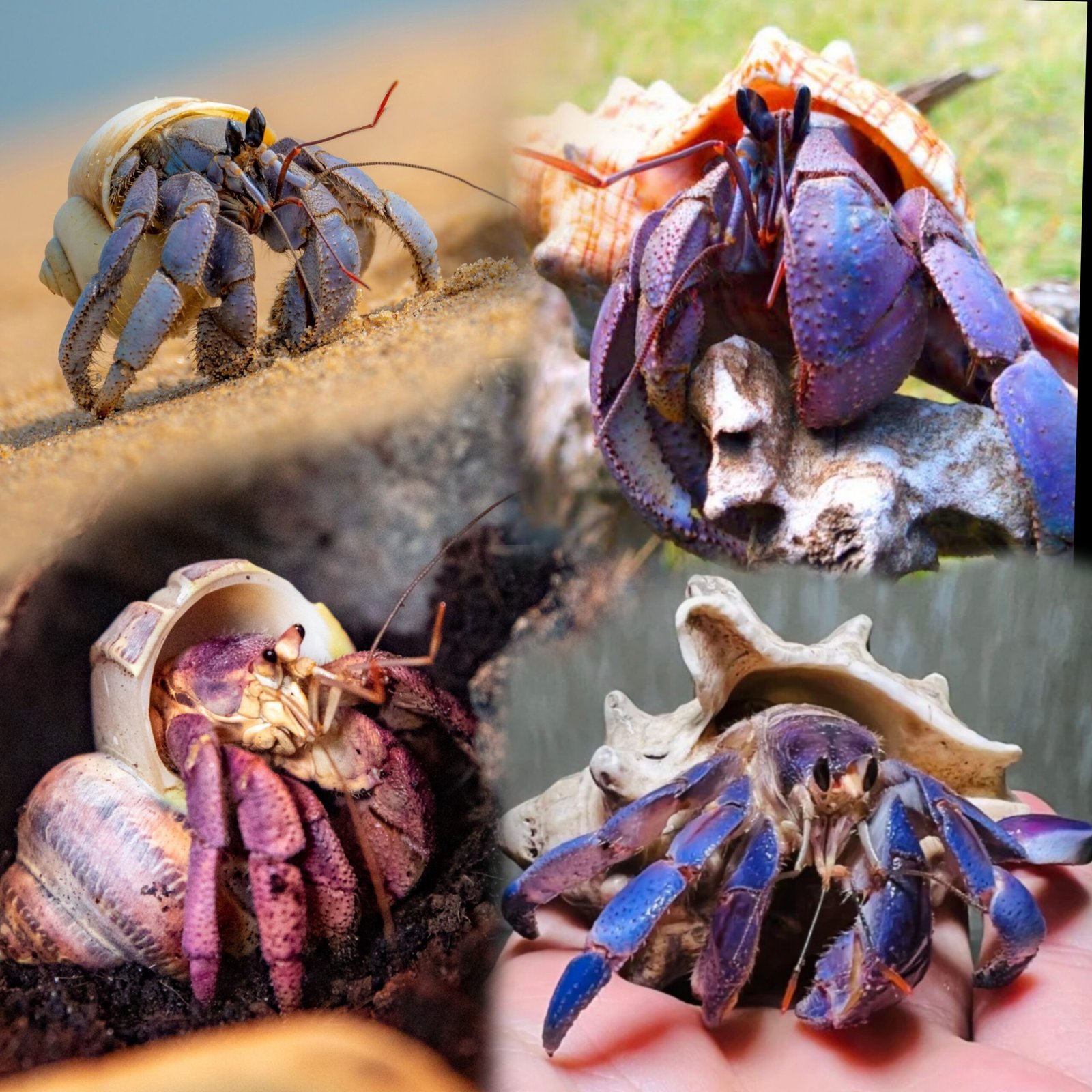
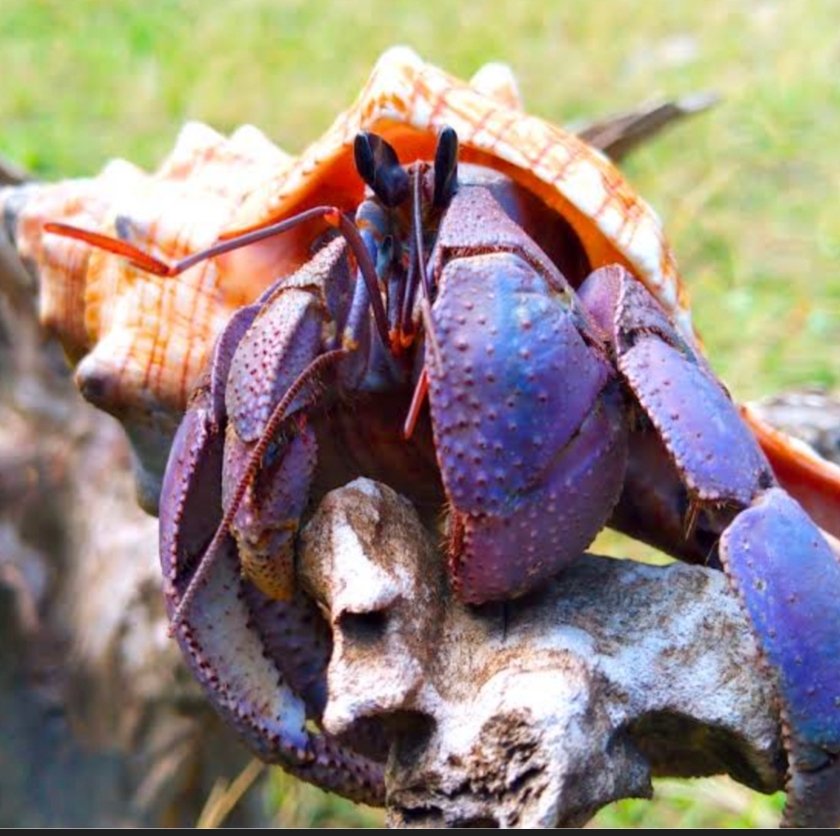
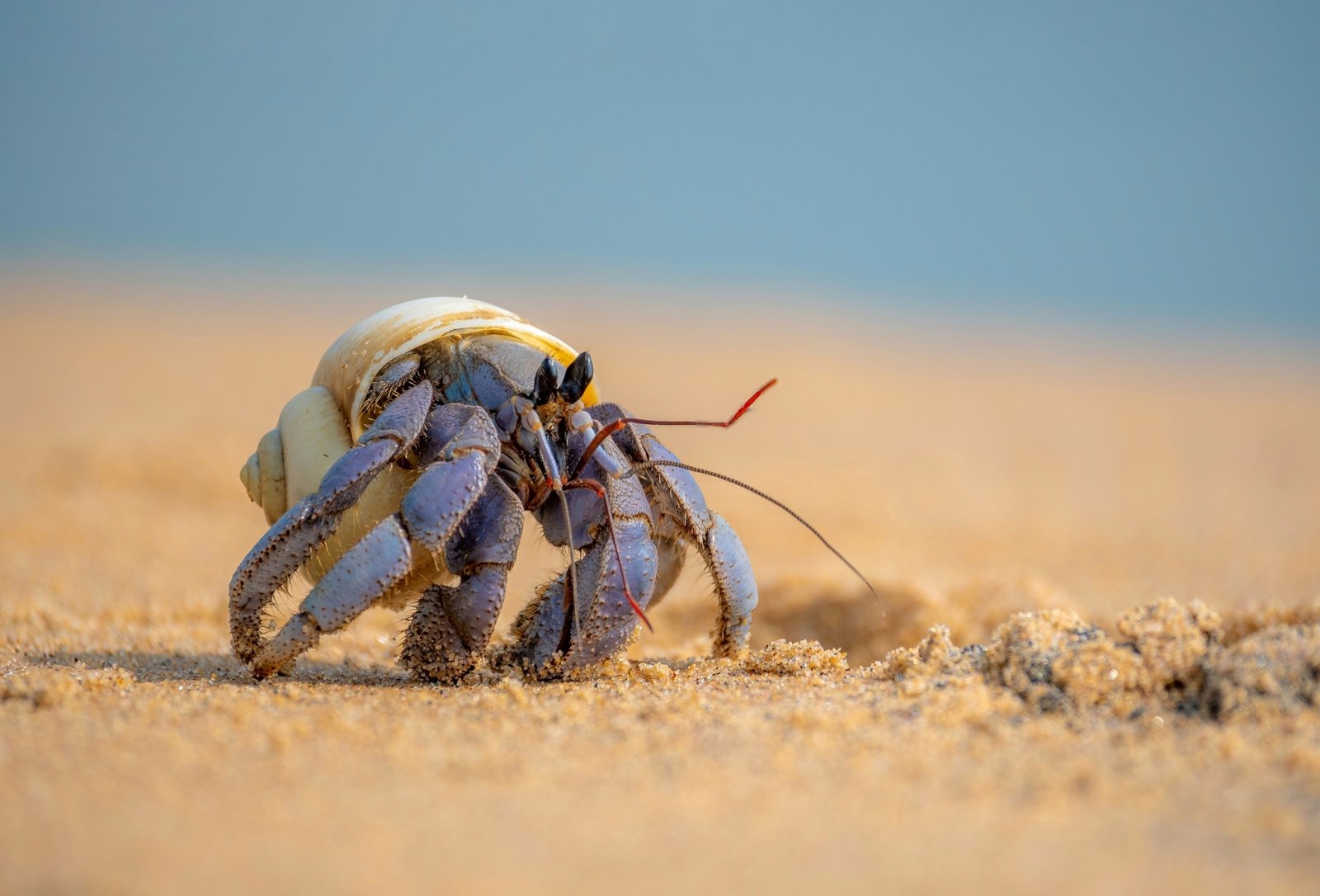
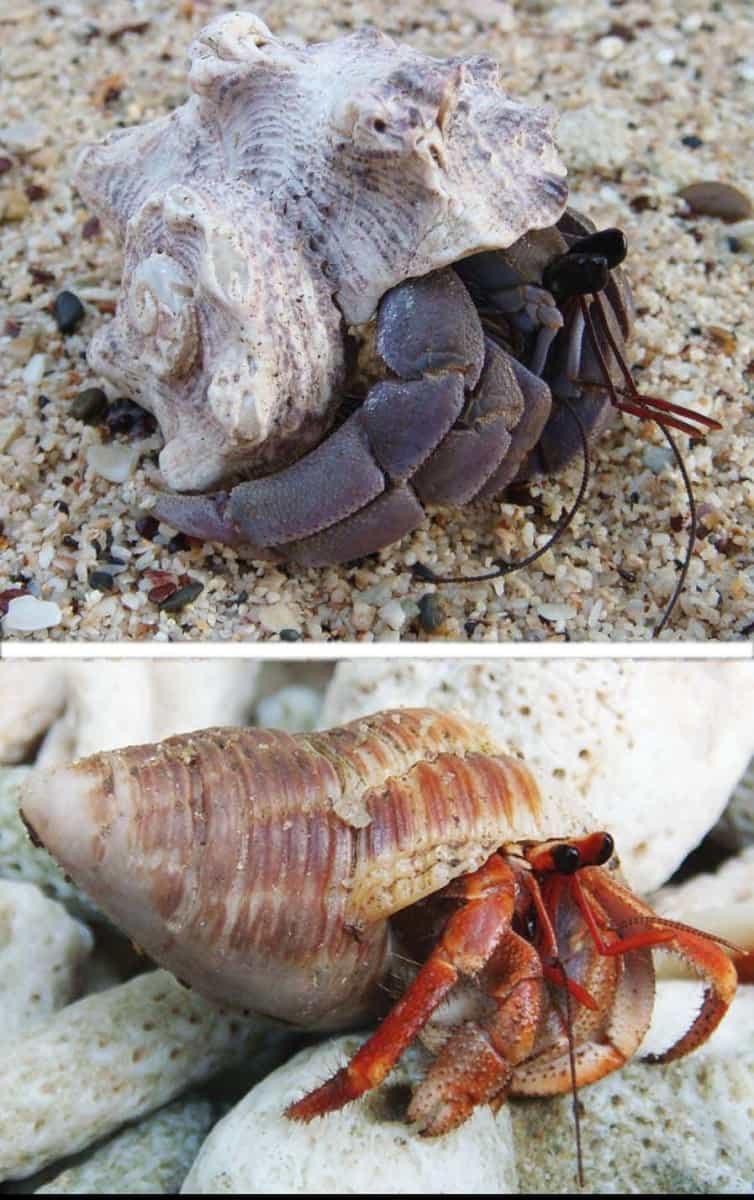
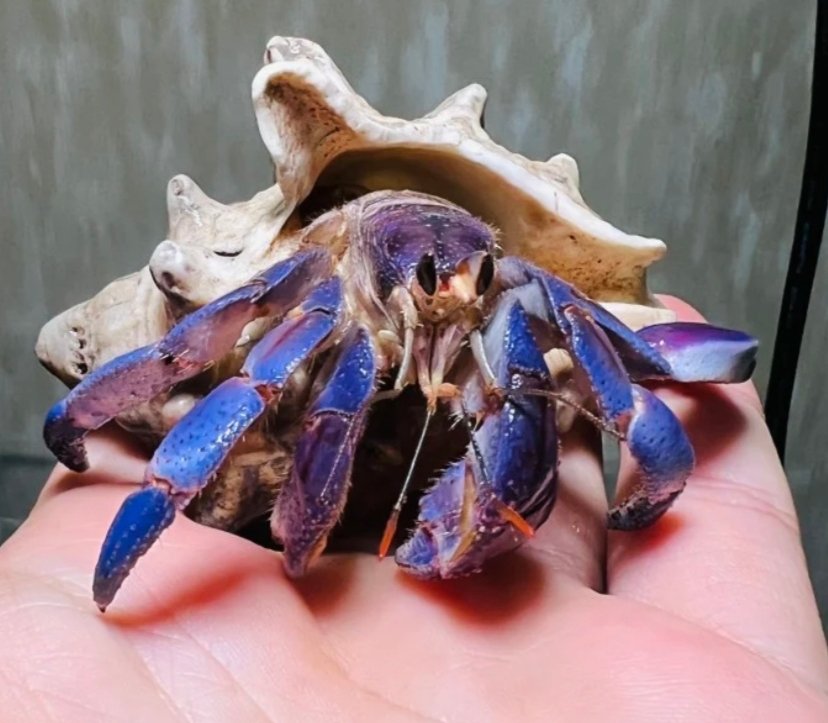
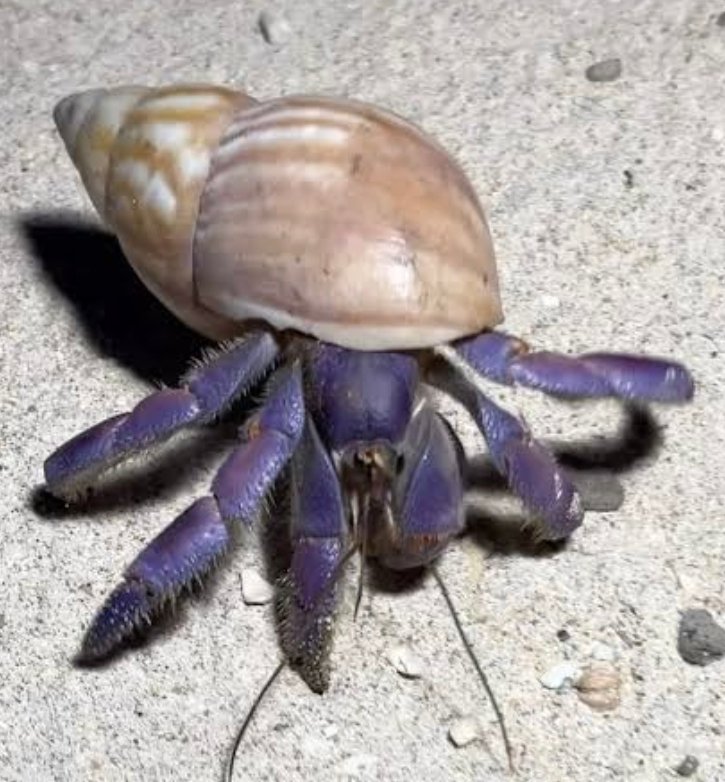
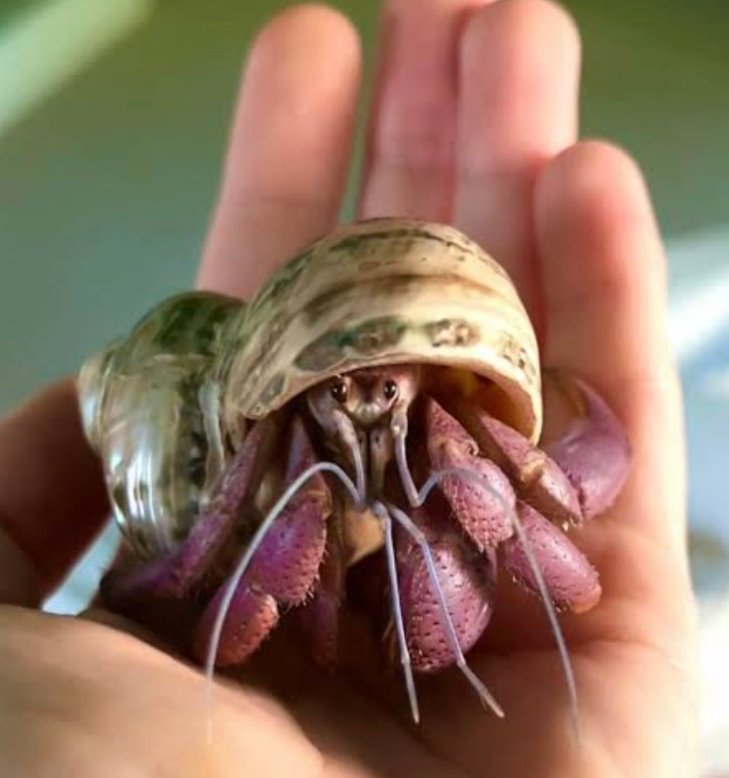
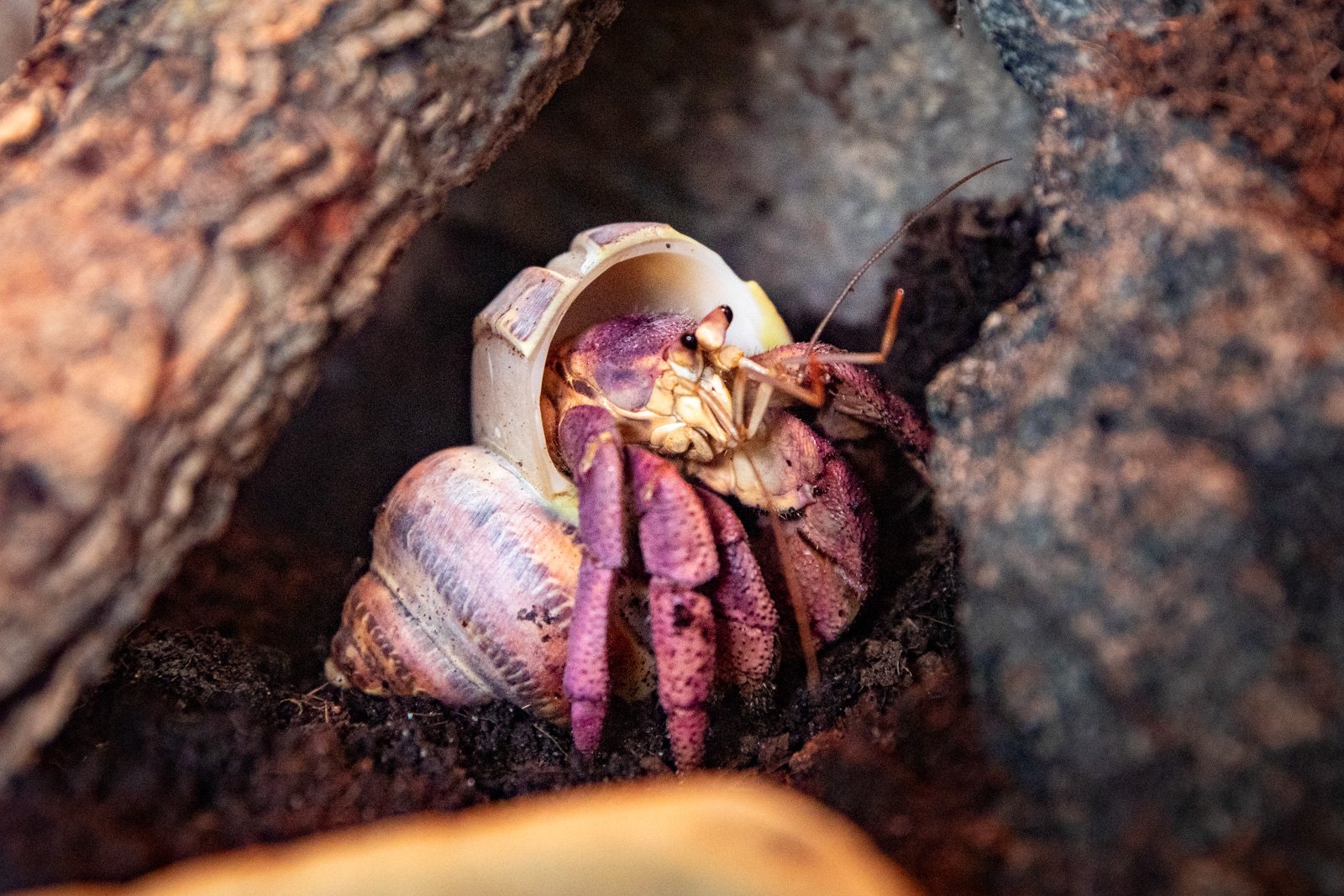
Hermit Crab (Paguroidea spp.)
📌 Basic Info
-
Scientific Name: Paguroidea (multiple species, e.g., Coenobita clypeatus – Caribbean Hermit Crab)
-
Common Names: Hermit Crab, Land Hermit Crab
-
Family: Paguroidea (superfamily)
-
Origin: Coastal regions worldwide – Caribbean, Indo-Pacific, Indian Ocean
-
Size: 0.5 – 6 inches (1 – 15 cm) depending on species
-
Lifespan: 5 – 15 years in captivity (some species live 25+ years)
-
Tank Zone: Bottom dwellers (semi-terrestrial – need land and shallow water)
🌊 Water Parameters
-
TDS: 200 – 400 ppm
-
pH: 7.5 – 8.5
-
Temperature: 24 – 29°C (75 – 85°F)
-
Hardness: 8 – 15 dGH
-
Salinity: Require both freshwater & saltwater dishes for survival
🦀 Characteristics
-
Soft, spiral-shaped abdomen protected inside borrowed gastropod shells.
-
Known for changing shells as they grow – need access to extra empty shells.
-
Colors vary from brown, red, orange, purple, or tan depending on species.
-
Social creatures – prefer to live in groups.
-
Mostly active at night; burrow during the day.
🍽️ Food
-
Type: Omnivorous scavenger.
-
Diet: Commercial hermit crab pellets, dried seaweed, shrimp, fish flakes, fruits (banana, mango, apple), vegetables (spinach, zucchini, carrot), crushed cuttlebone (calcium source).
-
Feeding Schedule: Small portions daily; remove leftovers to prevent mold.
🛠️ Tank Setup & Maintenance
-
Tank Size: Minimum 10 gallons for 2–3 hermit crabs.
-
Habitat: Terrestrial enclosure with moist substrate + freshwater & saltwater bowls.
-
Substrate: Moist sand or coconut fiber (3–5 inches deep for burrowing).
-
Decor: Rocks, driftwood, shells, hides, climbing branches.
-
Humidity: 70–80% (essential for breathing through modified gills).
-
Filtration: Not required in land tanks; shallow water bowls must be changed daily.
👥 Social Behavior
-
Social – thrive in small colonies.
-
Not aggressive but may fight over shells if not enough are provided.
-
Safe in species-only enclosures (not suitable with fish).
✅ Do’s
-
Provide a variety of extra shells of different sizes.
-
Maintain high humidity with misting.
-
Offer both freshwater and saltwater dishes.
❌ Don’ts
-
Don’t keep alone – they get stressed and may die early.
-
Don’t use painted or artificial shells – toxic to crabs.
-
Don’t expose to dry air – they can suffocate.
⭐ Quick Tips
-
Fascinating pets with unique shell-changing behavior.
-
Live much longer in groups with proper humidity and diet.
-
Require a terrestrial setup with access to water – not full aquariums.

