
![(AC) INTAN – HERBIVORE WAFERS [Small] (Sinking Wafers) [Loose Pack]](https://snkaquapets.com/wp-content/uploads/2025/08/IMG-20250903-WA0099-600x600.jpg)
Description
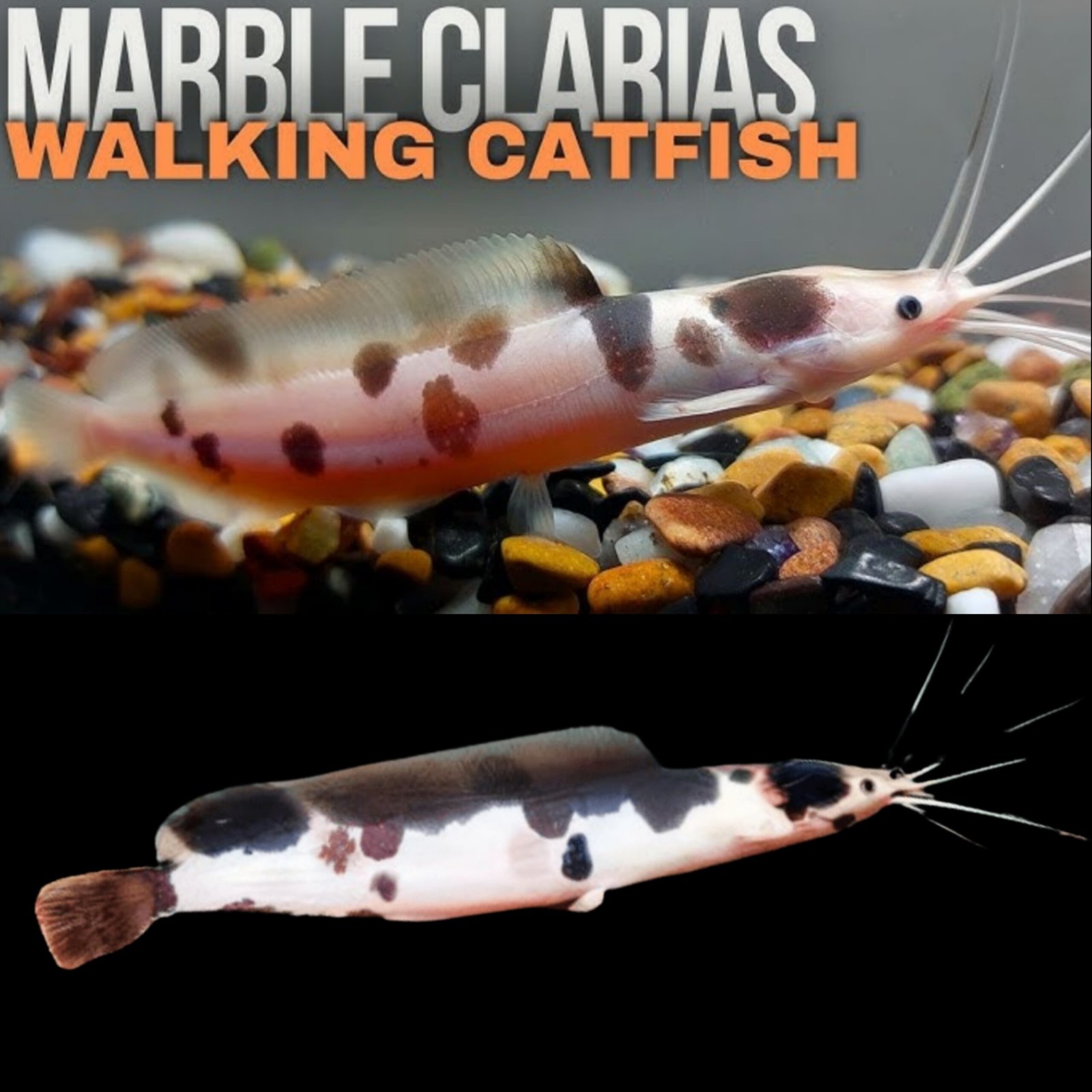
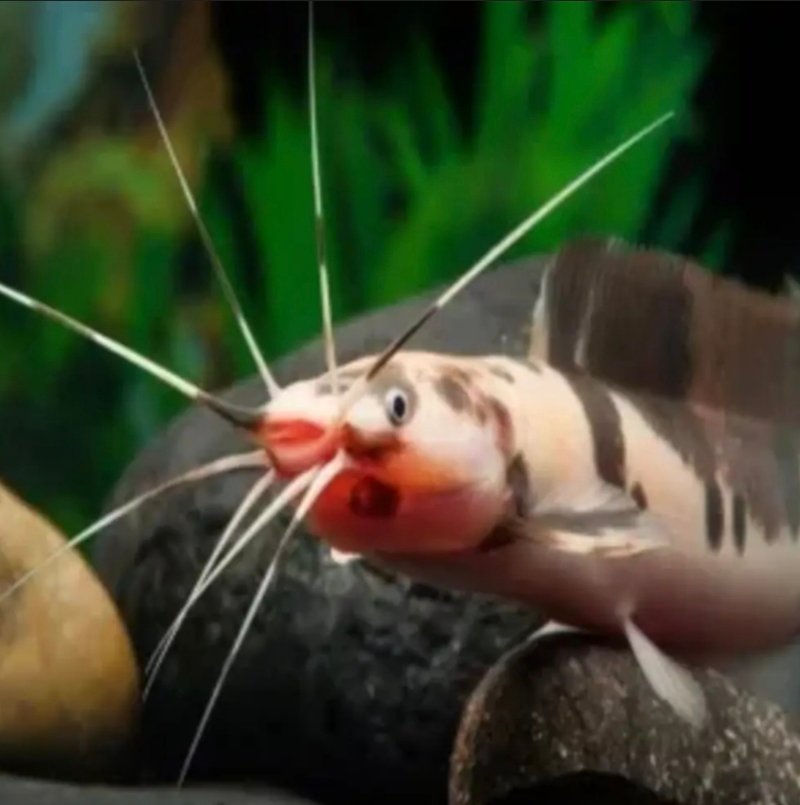
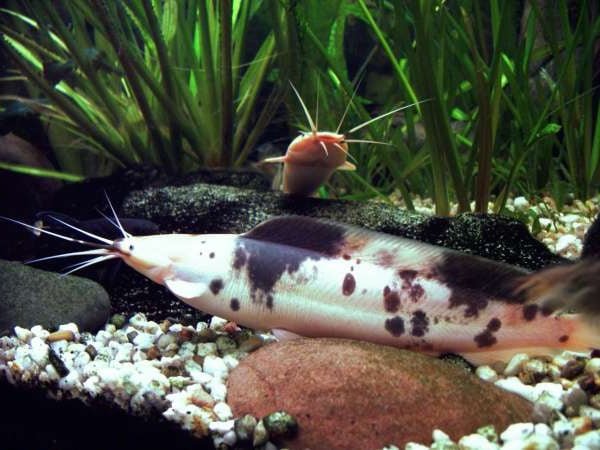
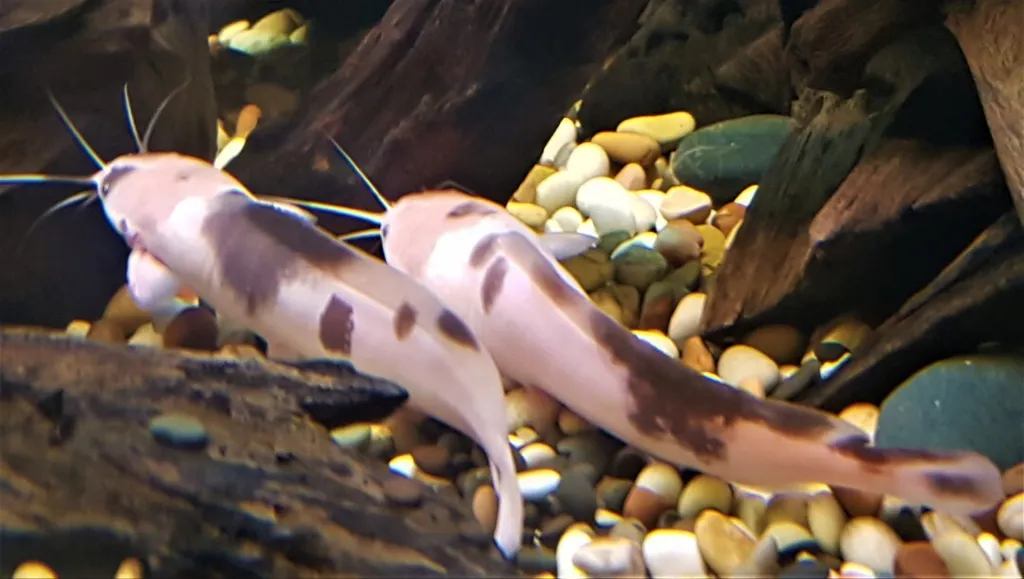
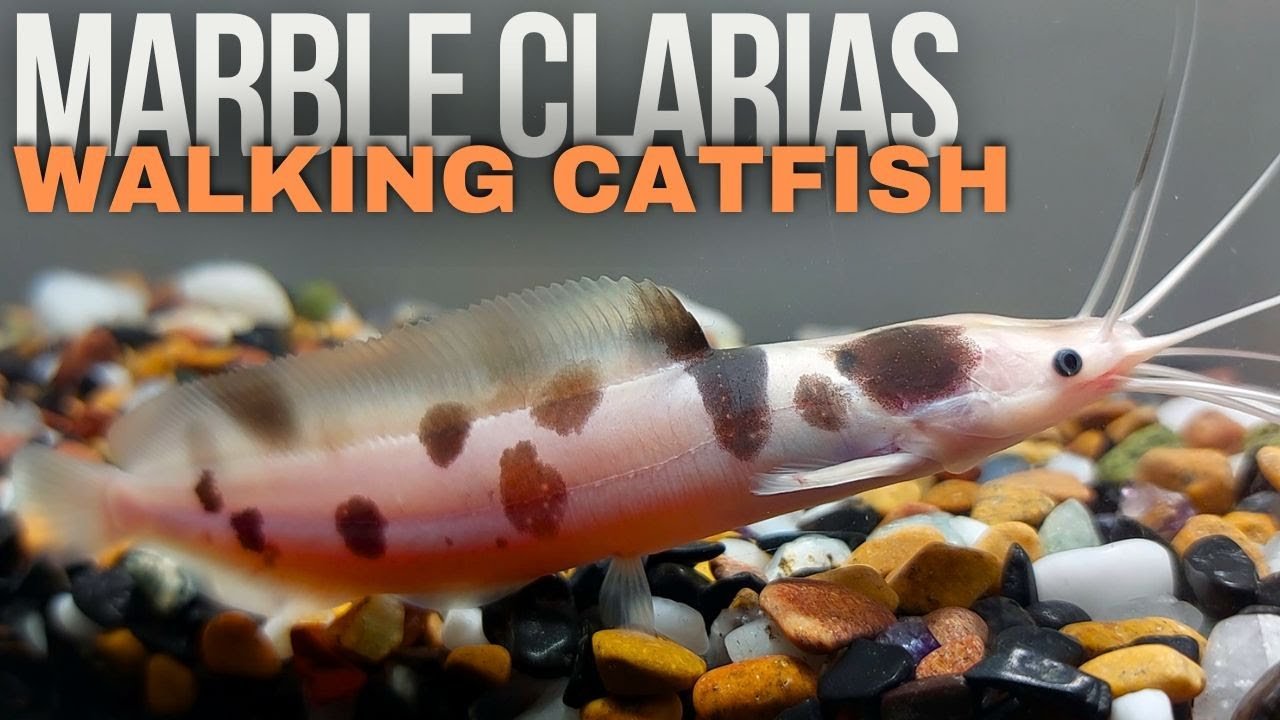
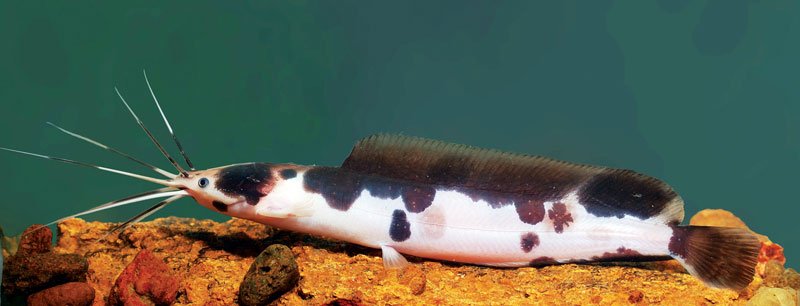
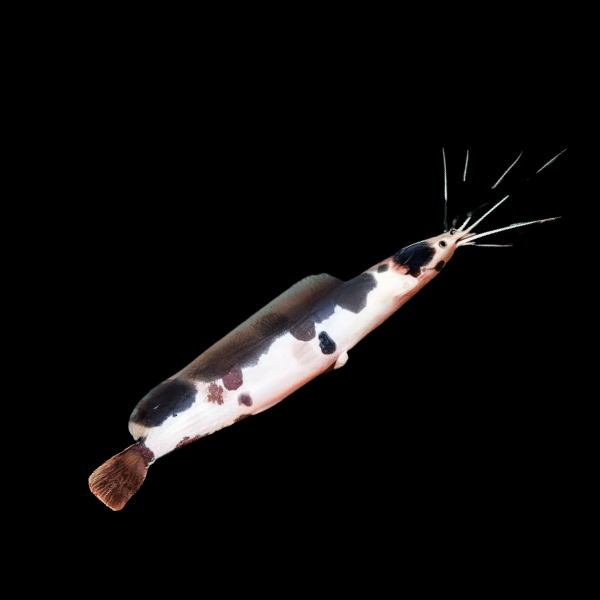
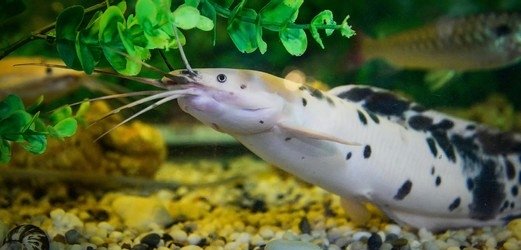
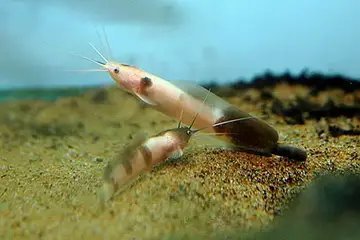
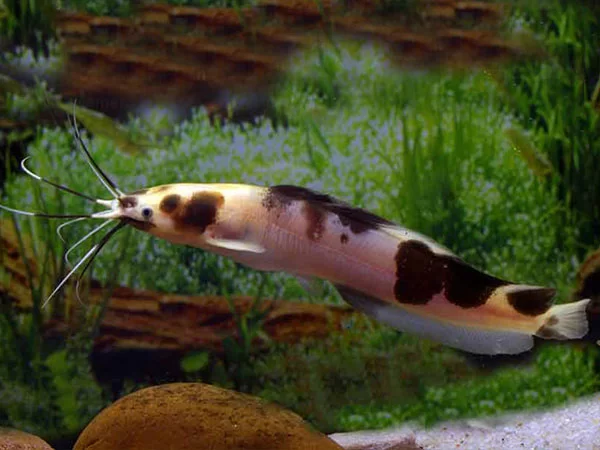
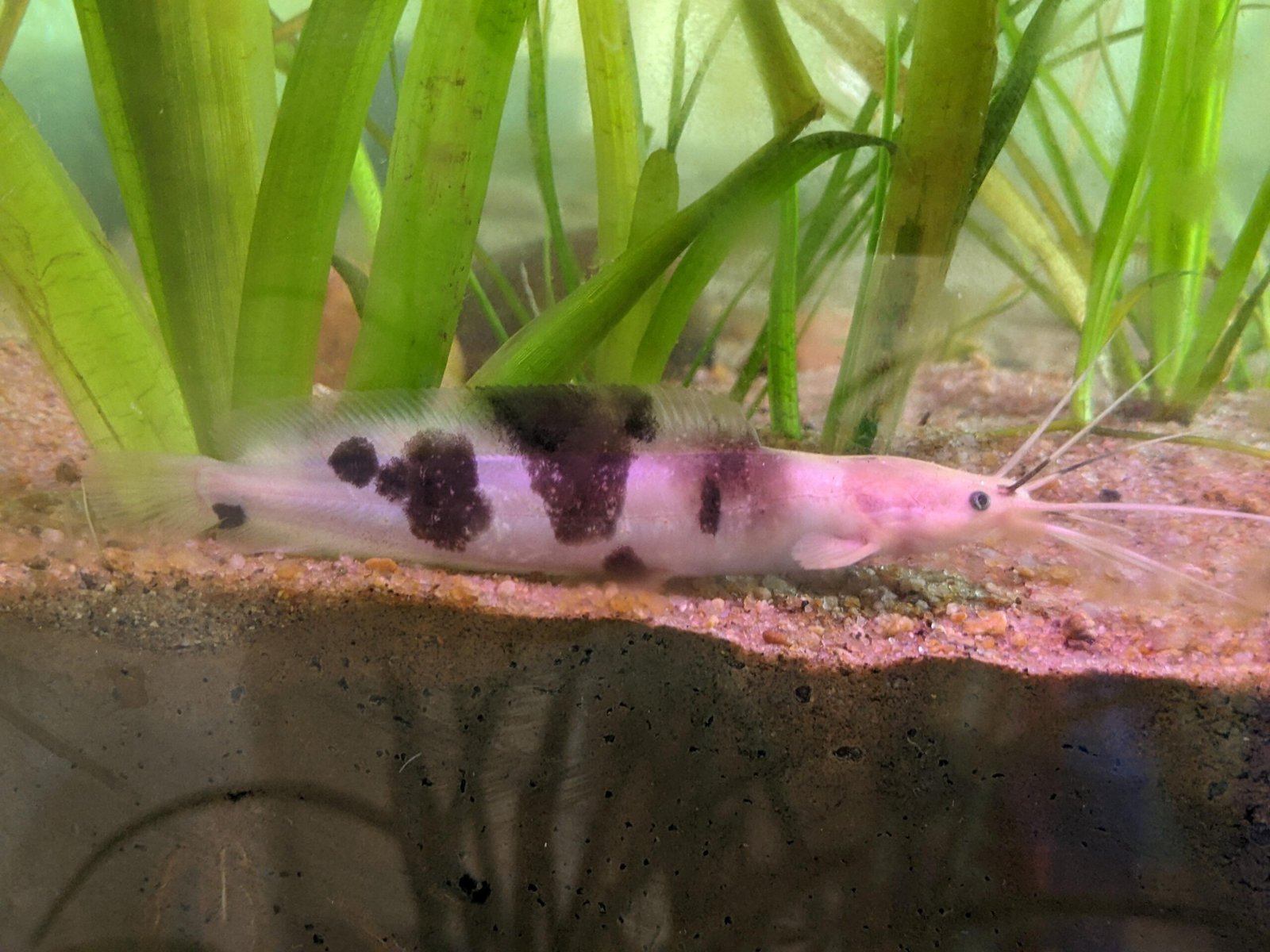
Spotted Walking Catfish (Clarias batrachus “Spotted”)
📌 Basic Info
Scientific Name: Clarias batrachus “Spotted”
Family: Clariidae
Origin: Southeast Asia (Thailand, Indonesia, Malaysia)
Size: Up to 12 inches (30 cm) in aquariums
Lifespan: 5 – 8 years
Tank Zone: Bottom dweller; known for surface activity and “walking” short distances
🌊 Water Parameters
TDS: 100 – 300 ppm
pH: 6.5 – 7.5
Temperature: 24 – 28°C (75 – 82°F)
Hardness: 5 – 15 dGH
🐟 Characteristics
Body: Olive or brown with distinctive black or dark spots across the body, long whiskers (barbels), and elongated body
Behavior: Nocturnal and highly active; capable of “walking” on land using pectoral fins to move short distances
Adaptability: Can tolerate low oxygen levels due to accessory breathing organ
Activity: More active at night, often hides during daylight hours
🍽️ Food
Type: Omnivorous carnivore
Diet: Live or frozen foods such as bloodworms, brine shrimp, small fish, insects; accepts sinking pellets
Feeding: Once or twice daily; remove uneaten food to maintain water quality
🛠️ Maintenance
Tank Size: Minimum 40 gallons (150 L) for a single adult
Filtration: Moderate filtration; ensure clean water and avoid strong currents
Decor: Sand or smooth substrate, driftwood, hiding caves; floating plants recommended
Cover: Secure lid necessary to prevent escape
Water Change: 25% weekly; monitor ammonia and nitrite levels
👥 Social Behavior
Minimum Group Size: Can be kept singly or in groups if space allows
Tank Mates: Larger, peaceful fish; avoid small fish that may be eaten
Avoid: Aggressive species or very small fish
✅ Do’s
Provide hiding spots and caves
Keep a tight-fitting lid to prevent escapes
Feed a varied diet for healthy growth and color
Maintain clean, stable water conditions
❌ Don’ts
Don’t house with very small or slow-moving fish
Don’t allow them to roam outside the tank
Don’t neglect water quality; sensitive to ammonia spikes
⭐ Quick Tips
Spotted Walking Catfish are fascinating for their distinctive spotted pattern and unusual “walking” ability
Nocturnal, hardy, and interactive — ideal for aquarists who enjoy unique bottom-dwelling species