
![(AC) INTAN – HERBIVORE WAFERS [Small] (Sinking Wafers) [Loose Pack]](https://snkaquapets.com/wp-content/uploads/2025/08/IMG-20250903-WA0099-600x600.jpg)

Description
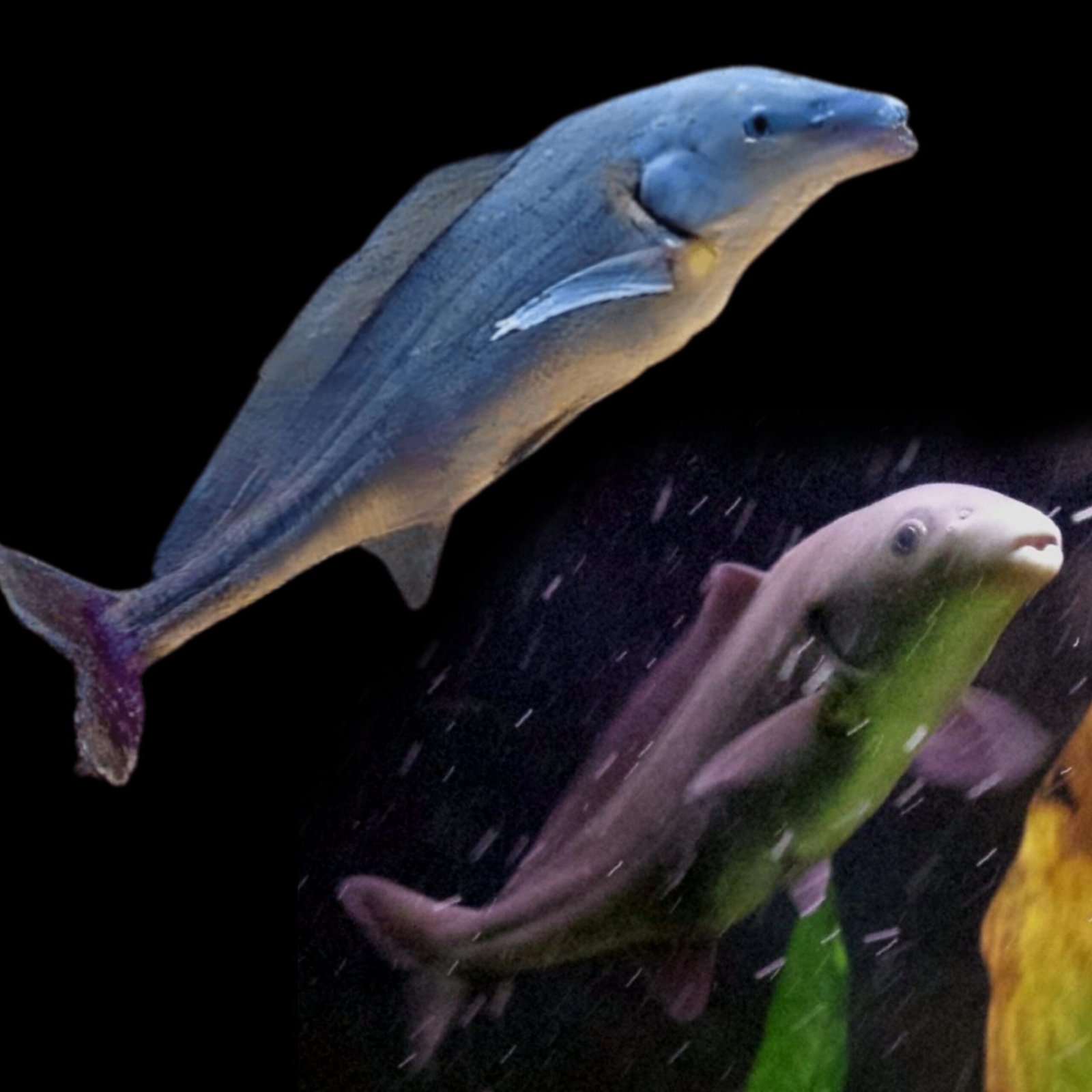
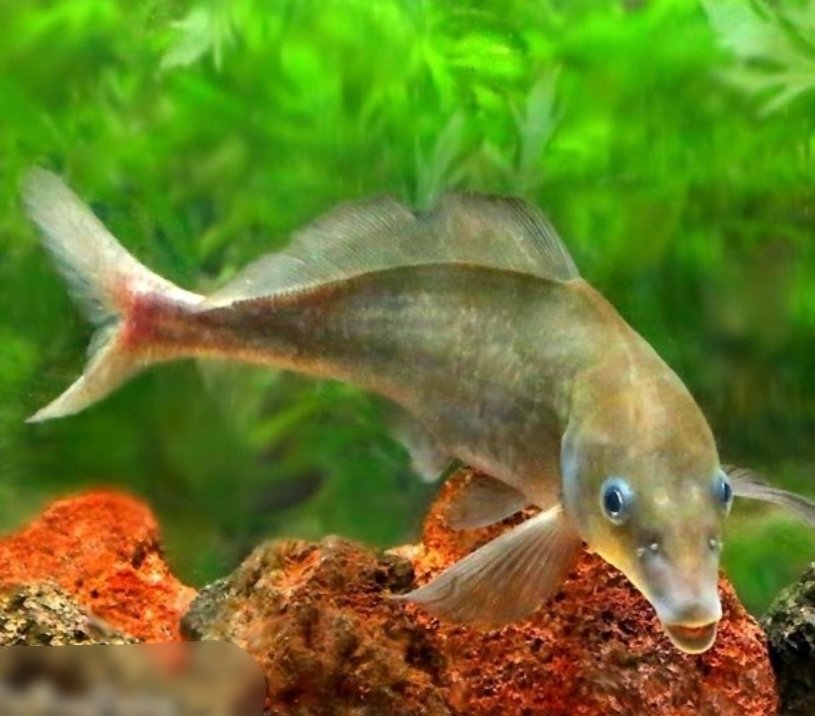
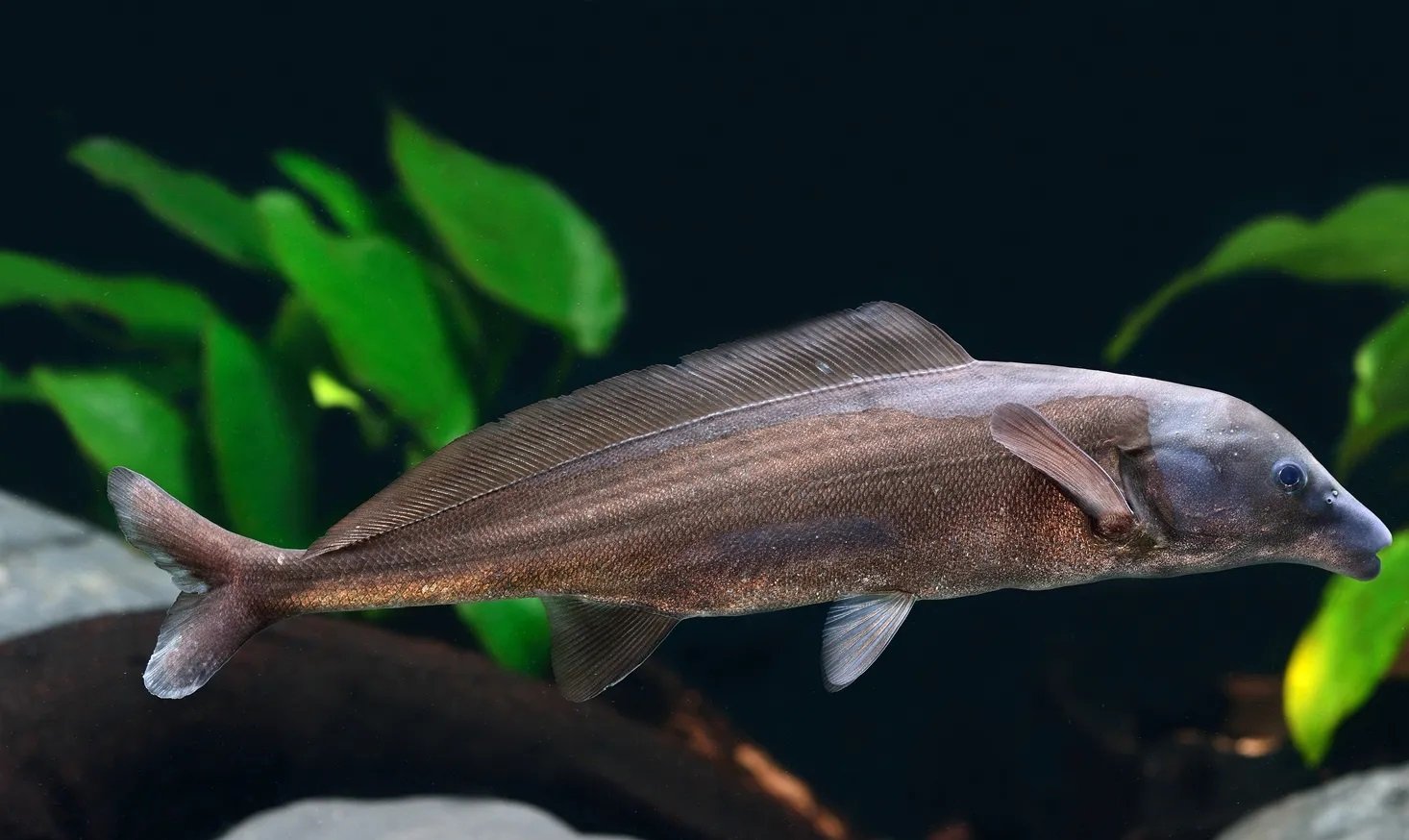
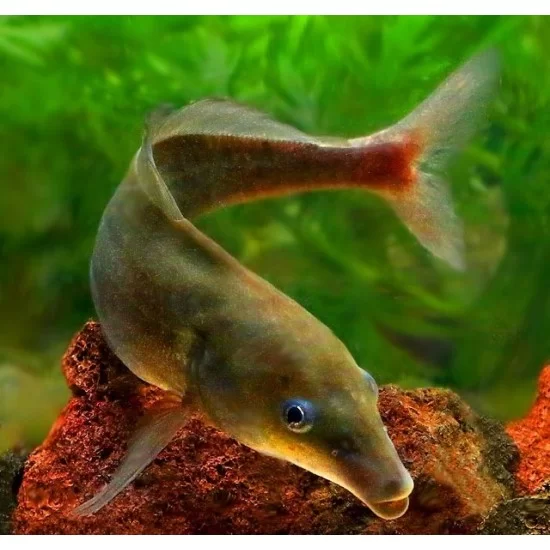
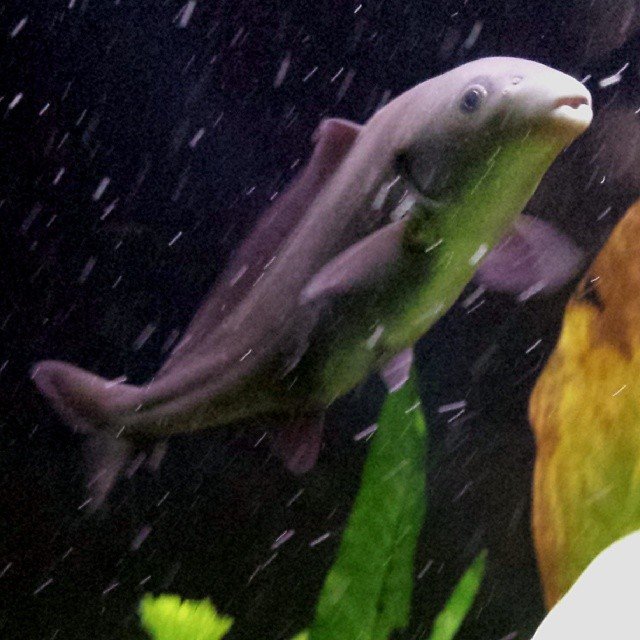
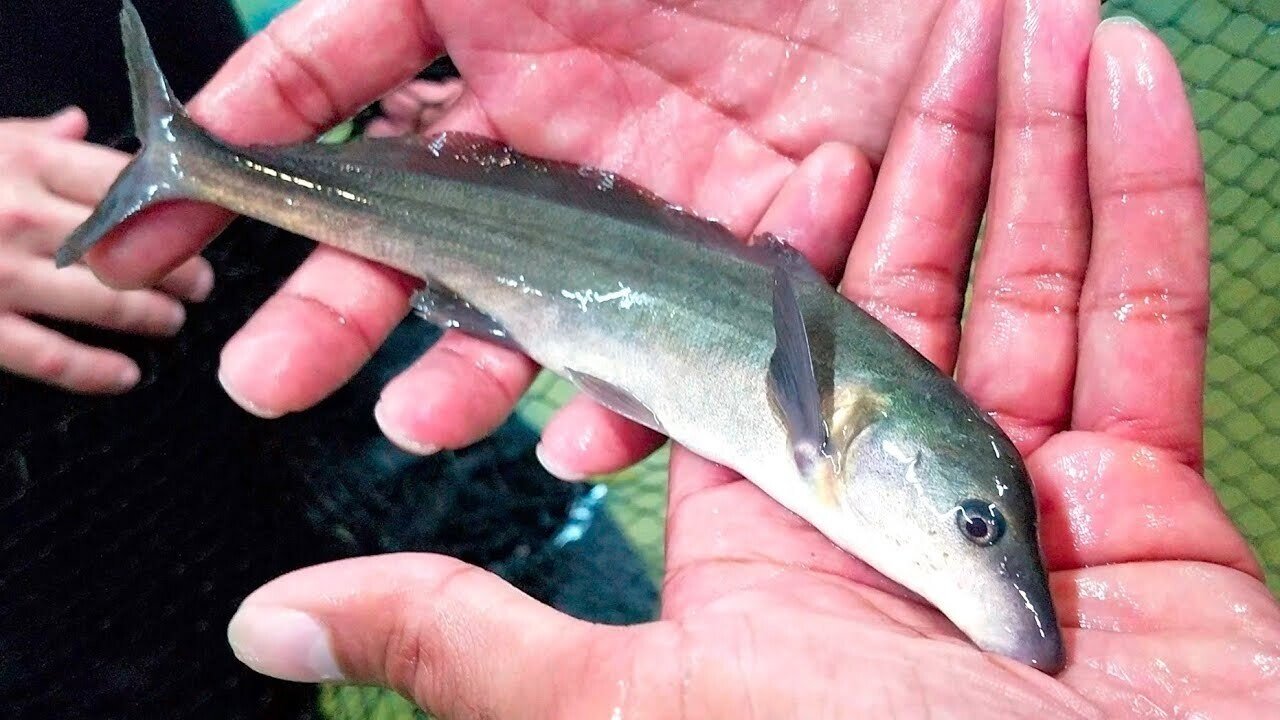
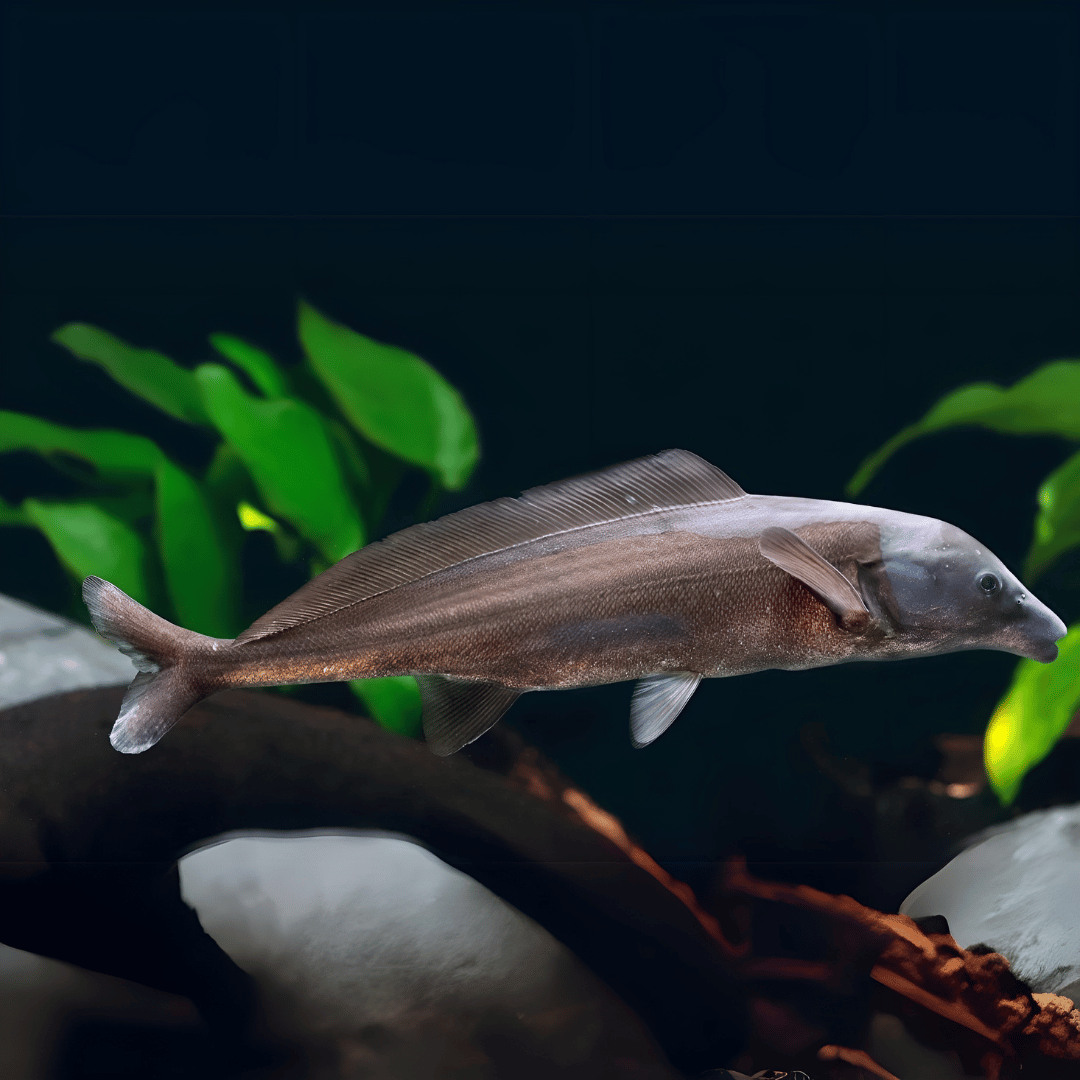
Baby Dolphin Fish (Mormyrus longirostris / Freshwater Dolphin )
📌 Basic Info
-
Scientific Name: Mormyrus longirostris
-
Common Names: Freshwater Dolphin, Eastern Bottle-Nosed Mormyrid, Baby Dolphin Fish
-
Family: Mormyridae (Elephantfish Family)
-
Order: Osteoglossiformes
-
Origin: African freshwater rivers and lakes — Zambezi, Luapula, Niger, Lake Malawi, Lake Tanganyika
-
Size: Up to 75 cm (29 in) in the wild; juveniles in aquariums usually 5–15 cm (2–6 in)
-
Lifespan: 10 – 15 years
-
Tank Zone: Middle to bottom dweller
🌊 Water Parameters
-
TDS: 100 – 300 ppm
-
pH: 6.5 – 7.5
-
Temperature: 24 – 28°C (75 – 82°F)
-
Hardness: 5 – 15 dGH
🐟 Characteristics
-
Body: Elongated, laterally compressed with a flexible, trunk-like snout.
-
Coloration: Silvery-gray to brownish with darker markings along the body; juveniles are more patterned.
-
Fins: Rounded dorsal and caudal fins; anal and pectoral fins are elongated.
-
Behavior: Mostly peaceful, can be shy; may interact via weak electric signals.
-
Nature: Nocturnal to crepuscular; uses electroreception to navigate murky waters.
-
Special Feature: Can emit weak electric fields for communication and sensing surroundings.
🍽️ Food
-
Type: Carnivorous / Omnivorous
-
Diet: Live or frozen foods — worms, insect larvae, small fish, shrimp, and sinking carnivore sticks.
-
Feeding Frequency: Once or twice daily; juveniles require frequent feeding.
-
Tip: Provide high-protein diet for healthy growth and activity.
🛠️ Maintenance
-
Tank Size: Minimum 500 liters (130 gallons) for juveniles; adults require much larger tanks (1000+ liters).
-
Filtration: Strong filtration with moderate water flow; sensitive to poor water quality.
-
Substrate: Sand or smooth gravel to prevent snout injury.
-
Decor: Rocks, driftwood, and hiding caves; provide open swimming space.
-
Lighting: Low to moderate; prefers dim areas or shaded zones.
-
Water Change: 25–30% weekly for stability and cleanliness.
👥 Social Behavior
-
Group Size: Can be kept singly or in small groups; avoid overcrowding.
-
Tank Mates: Peaceful, larger fish; avoid tiny fish that can be eaten.
-
Avoid: Aggressive cichlids or overly active species.
-
Compatibility Note: Sensitive to stress; maintain stable water conditions.
✅ Do’s
-
Provide large, spacious tank with open swimming zones.
-
Use strong filtration and regular water changes.
-
Offer protein-rich foods daily.
-
Maintain stable water parameters.
❌ Don’ts
-
Don’t keep in small tanks or with overly aggressive fish.
-
Avoid sharp décor or substrates that can injure the snout.
-
Don’t expose to bright light constantly.
⭐ Quick Tips
The Freshwater Dolphin is a fascinating, peaceful, and highly intelligent fish. Its trunk-like snout and weak electric abilities make it unique among freshwater aquarium species. Ideal for aquarists with large tanks who enjoy unusual, nocturnal, and interactive fish with a long lifespan.