

![(AC) INTAN – HERBIVORE WAFERS [Small] (Sinking Wafers) [Loose Pack]](https://snkaquapets.com/wp-content/uploads/2025/08/IMG-20250903-WA0099-600x600.jpg)



Description
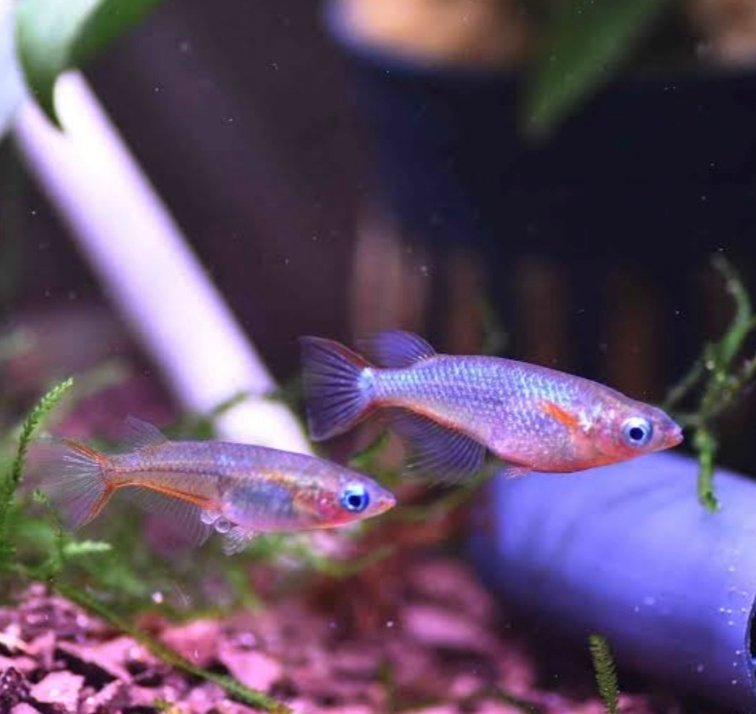
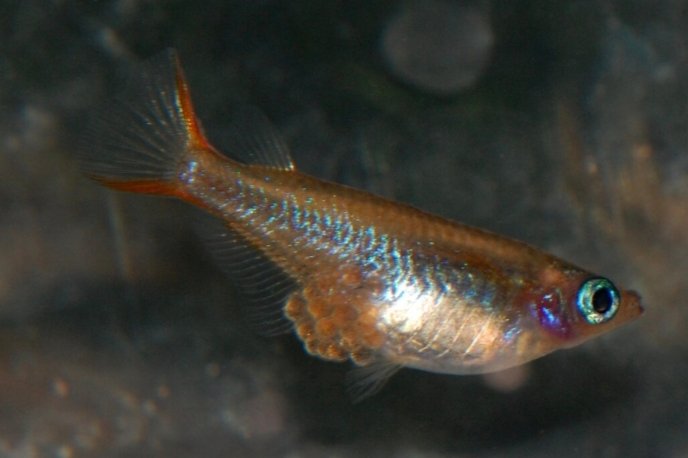
Daisy Rice Fish (Oryzias woworae)
📌 Basic Info
-
Scientific Name: Oryzias woworae
-
Common Names: Daisy Rice Fish, Wowora’s Ricefish
-
Family: Adrianichthyidae (Ricefish Family)
-
Order: Beloniformes
-
Origin: Indonesia — Sulawesi freshwater streams, lakes, and rice paddies
-
Size: Up to 1.5 inches (4 cm) in captivity
-
Lifespan: 2 – 3 years
-
Tank Zone: Mid to upper water column
🌊 Water Parameters
-
TDS: 50 – 150 ppm
-
pH: 6.5 – 7.5
-
Temperature: 23 – 28°C (73 – 82°F)
-
Hardness: 5 – 12 dGH
🐟 Characteristics
-
Body: Small, slender, and laterally compressed body.
-
Coloration: Silvery to pale blue body with bright orange-red fins; males are more colorful than females.
-
Fins: Dorsal and anal fins small; caudal fin rounded; pectoral fins translucent.
-
Behavior: Peaceful, calm, and social; active mid-water swimmer.
-
Nature: Diurnal; enjoys planted tanks with floating vegetation.
-
Special Feature: Small size and vibrant colors make them ideal for nano and community tanks.
🍽️ Food
-
Type: Omnivorous
-
Diet: Flakes, micro-pellets, live/frozen foods like daphnia, brine shrimp, and micro-worms.
-
Feeding Frequency: Once or twice daily.
-
Tip: Live foods enhance coloration and activity; suitable for surface and mid-water feeding.
🛠️ Maintenance
-
Tank Size: Minimum 20 liters (5 gallons) for a small school.
-
Filtration: Gentle filtration; minimal current preferred.
-
Substrate: Sand or fine gravel.
-
Decor: Plants, moss, and floating vegetation; open swimming areas.
-
Lighting: Moderate; floating plants reduce stress.
-
Water Change: 15–20% weekly; maintain clean water.
👥 Social Behavior
-
Group Size: Best kept in schools of 6 or more.
-
Tank Mates: Peaceful nano fish like small rasboras, micro tetras, and dwarf gouramis.
-
Avoid: Aggressive or large fish.
-
Compatibility Note: Small and social; thrives in planted nano tanks or community setups.
✅ Do’s
-
Keep in schools for best coloration and behavior.
-
Provide plants and floating cover for security.
-
Feed a varied diet including live and frozen foods.
-
Maintain stable, clean water conditions.
❌ Don’ts
-
Don’t keep singly; they are schooling fish.
-
Don’t house with large or aggressive fish.
-
Don’t neglect water quality; sensitive to ammonia/nitrite spikes.
⭐ Quick Tips
Daisy Rice Fish are peaceful, small, and colorful freshwater fish. Their vibrant fins, social behavior, and suitability for nano tanks make them ideal for planted community aquariums, especially for aquarists who enjoy small, active mid-water swimmers.
