

Description
Rabauti Cory (Corydoras rabauti)
📌 Basic Info
Scientific Name: Corydoras rabauti
Common Names: Rabauti Cory, Orange-shouldered Corydoras, Rabaut’s Catfish
Family: Callichthyidae (Armored Catfish Family)
Order: Siluriformes
Origin: South America — mainly from the Upper Amazon River Basin in Peru and Brazil
Size: Up to 6 cm (2.5 inches)
Lifespan: 5 – 8 years
Tank Zone: Bottom dweller
🌊 Water Parameters
Temperature: 22 – 27°C (72 – 81°F)
pH: 6.0 – 7.5
Hardness: 2 – 15 dGH
🐠 Characteristics
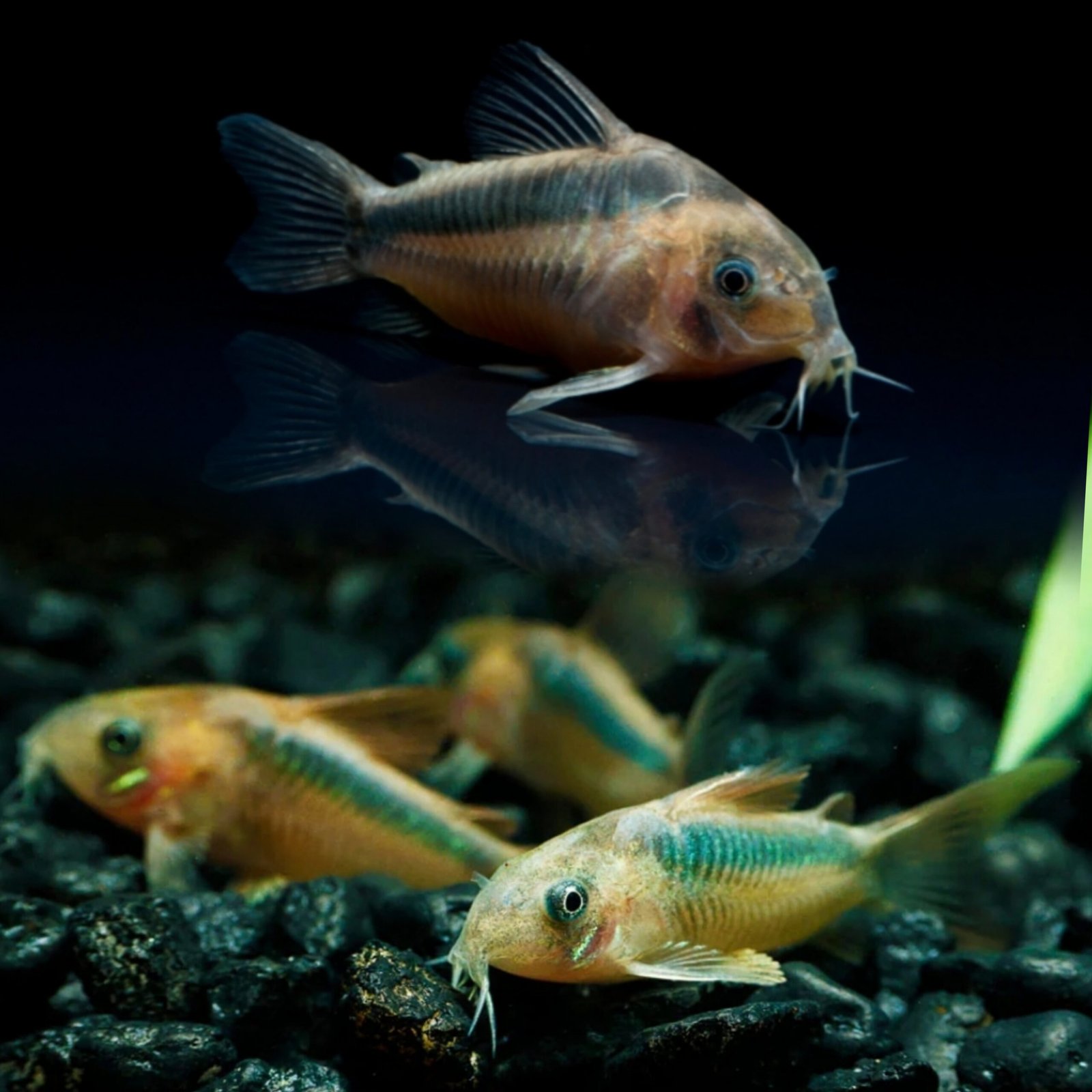
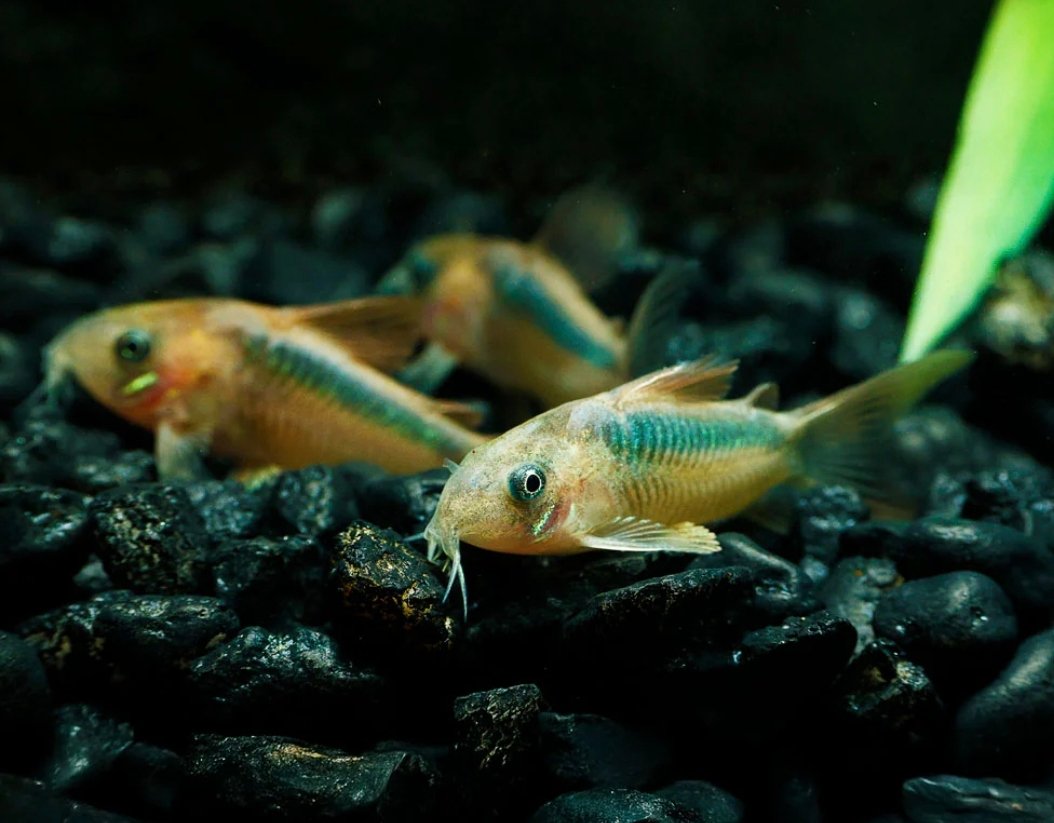
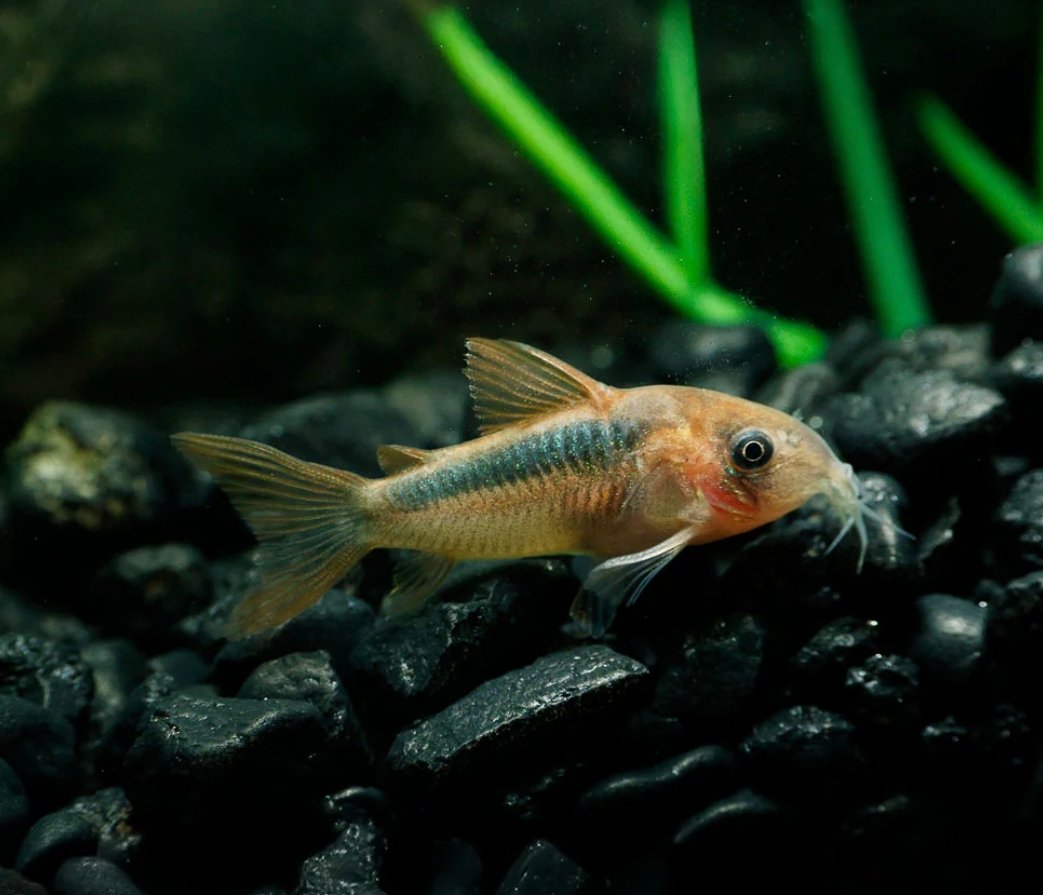
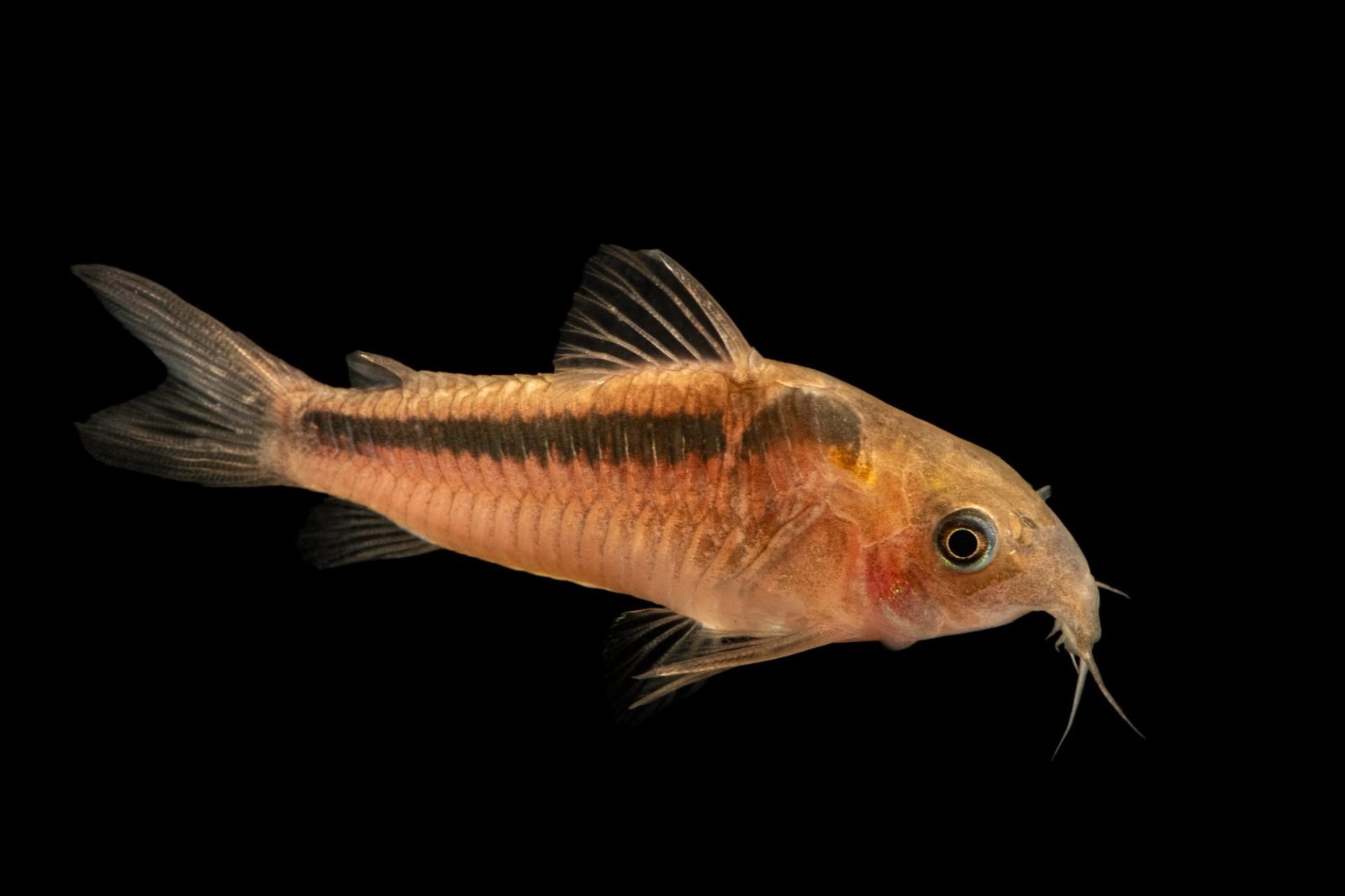
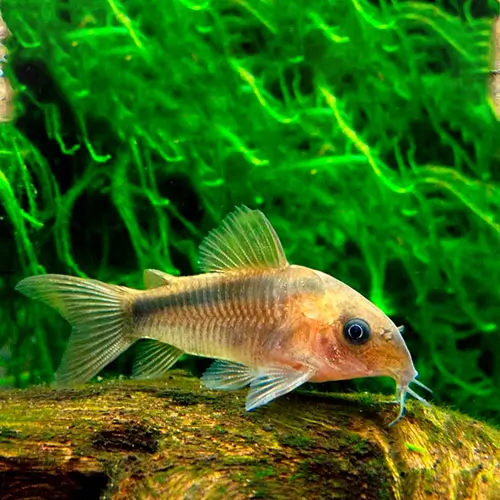
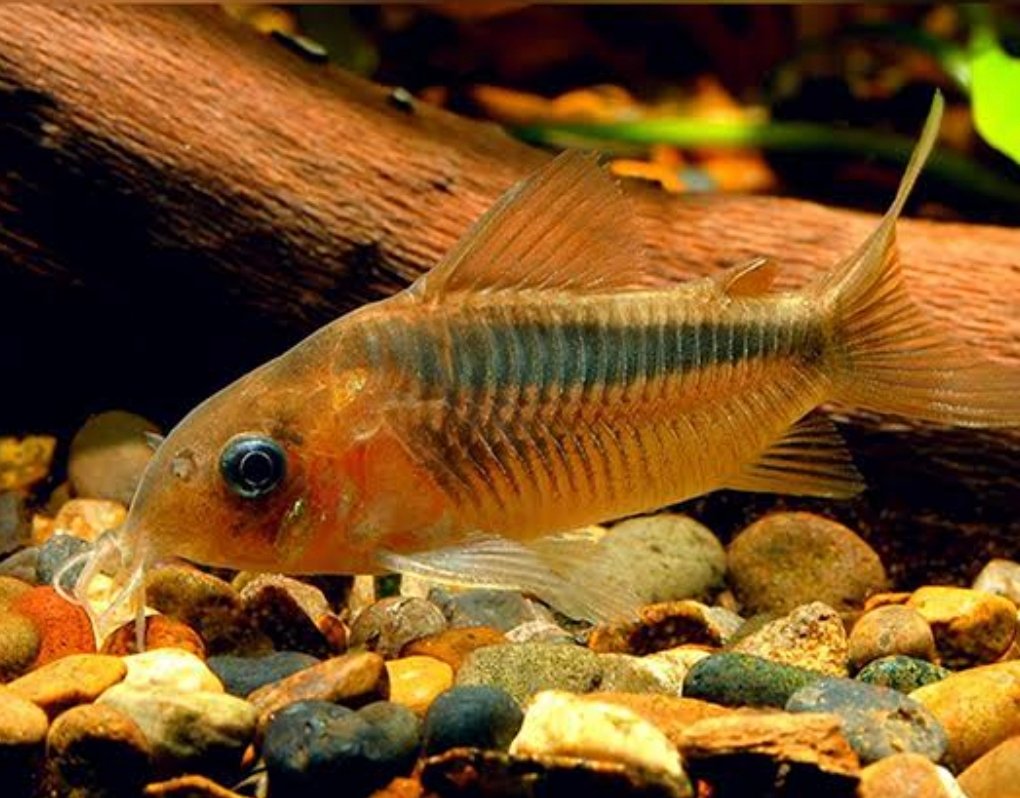
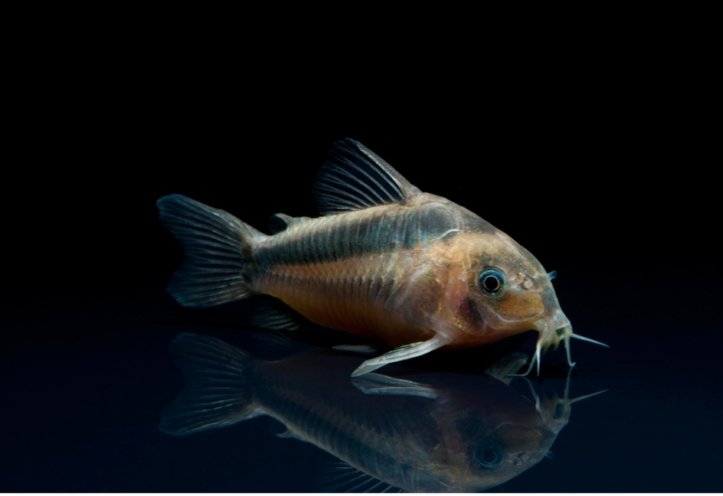
Body Shape: Stocky, armored body with a slightly rounded head and downward-facing mouth.
Coloration: Bronze to golden-brown body with a distinctive dark band running along the back from the head to the tail.
Markings: Often displays a warm orange or copper hue near the head and shoulders.
Behavior: Peaceful and very social; best kept in small groups.
Special Feature: Constantly sifts through the substrate with its barbels to find food, keeping the bottom clean.
🍽️ Diet
Type: Omnivorous (bottom feeder)
Food: Sinking pellets, algae wafers, bloodworms, brine shrimp, and daphnia.
Feeding Frequency: Once or twice daily — provide food that reaches the bottom.
Tip: Include protein-rich sinking foods for best growth and color.
🏠 Tank Setup
Minimum Tank Size: 70 liters (20 gallons)
Substrate: Soft sand (avoid sharp gravel that can damage barbels).
Décor: Driftwood, smooth stones, and plants to provide hiding spots.
Lighting: Low to moderate — prefers shaded areas.
Water Flow: Gentle to moderate with good oxygenation.
👥 Behavior & Compatibility
Nature: Peaceful and community-friendly.
Best Kept In: Groups of 5 or more (they are shoaling fish).
Tank Mates: Perfect with tetras, rasboras, gouramis, and small barbs.
Avoid: Large or aggressive fish.
✅ Do’s
• Provide fine sand substrate to protect whiskers.
• Keep in groups for natural activity.
• Maintain clean, oxygen-rich water.
❌ Don’ts
• Don’t keep alone or in bare-bottom tanks.
• Don’t let leftover food decay on the substrate.
⭐ Quick Tip:
The Rabauti Cory is a hardy, peaceful, and attractive bottom dweller known for its warm bronze tone and friendly group behavior. Perfect for planted community aquariums, it adds both beauty and activity to the lower levels of the tank.