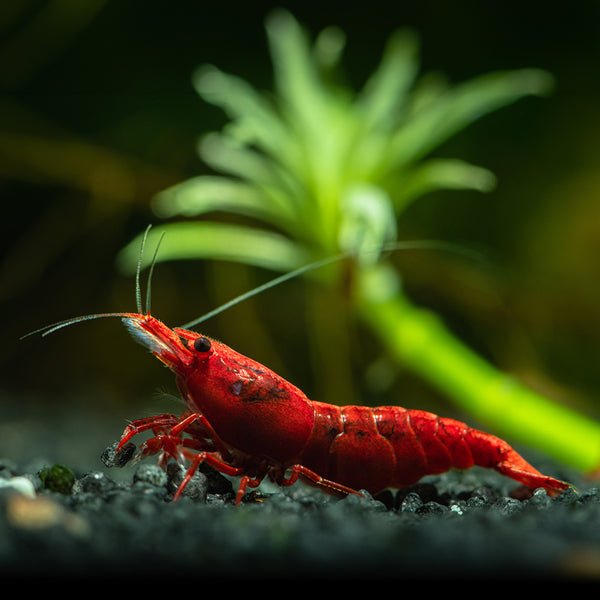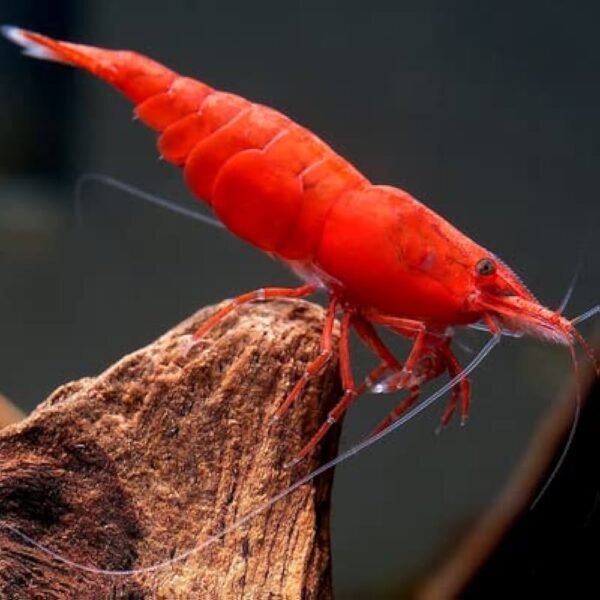
![(K) Siamese Algae Eater (SAE) (Crossocheilus oblongus) [≈ 2 inches]](https://snkaquapets.com/wp-content/uploads/2025/11/Picsart_25-08-29_12-26-39-588-scaled-1-600x600.webp)

Description
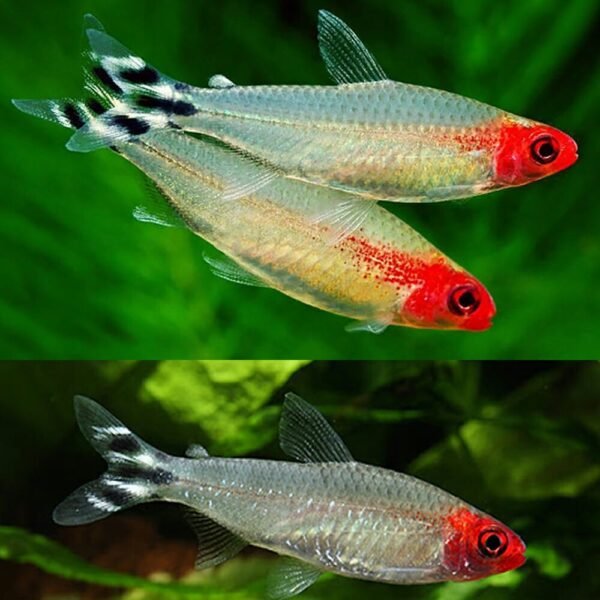
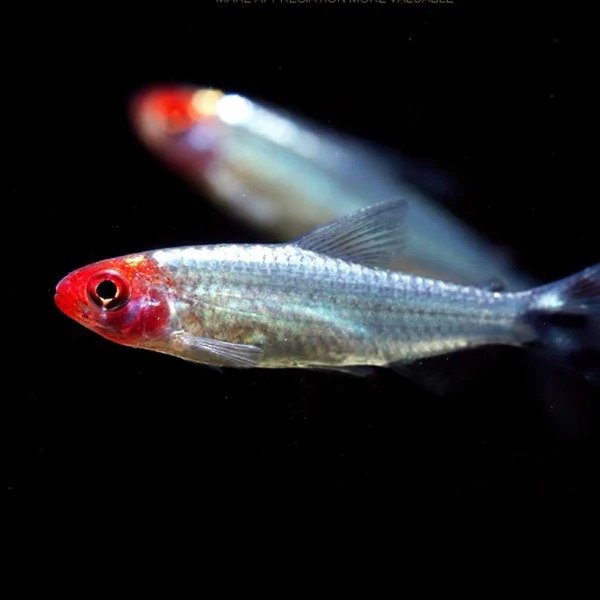
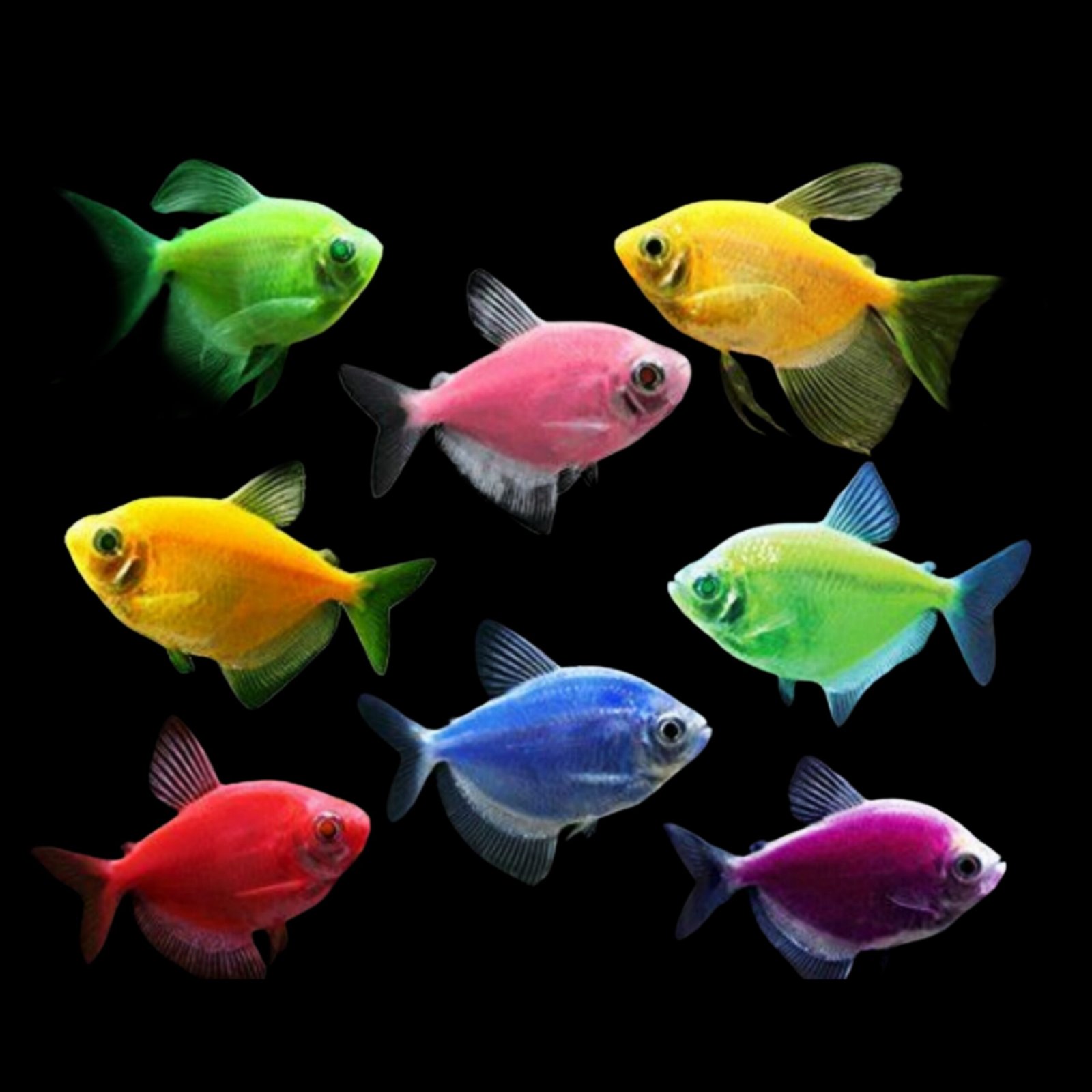
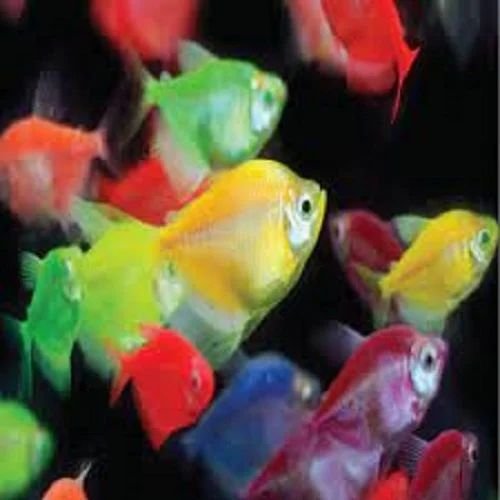
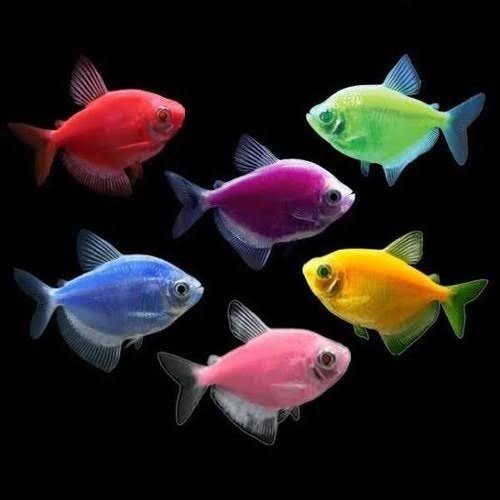
MIXED GLO Widow Tetra (Hemigrammus sp.)
📌 Basic Info
Scientific Name: Hemigrammus sp. (Albino variant)
Family: Characidae
Origin: South America
Size: 1.5 – 2 inches (4 – 5 cm)
Lifespan: 3 – 5 years
Tank Zone: Mid-water
🌊 Water Parameters
TDS: 100 – 200 ppm
pH: 6.5 – 7.5
Temperature: 22 – 28°C (72 – 82°F)
Hardness: 5 – 12 dGH
🐟 Characteristics
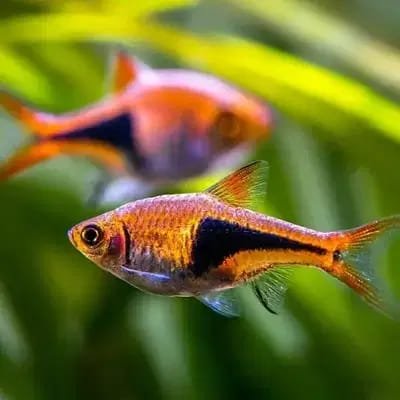
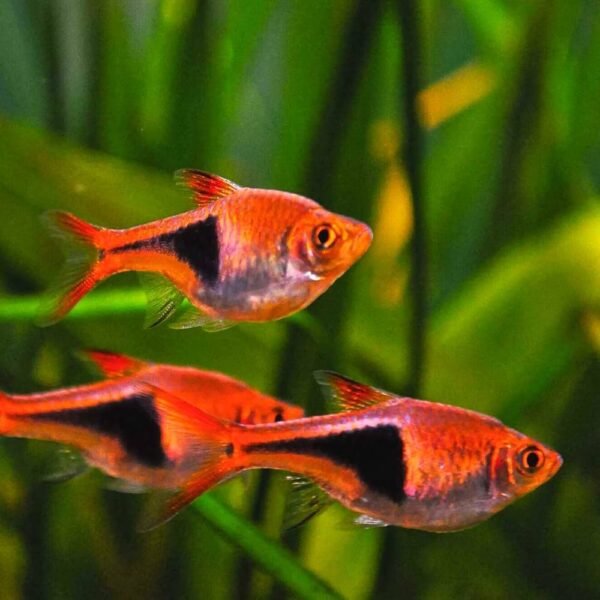
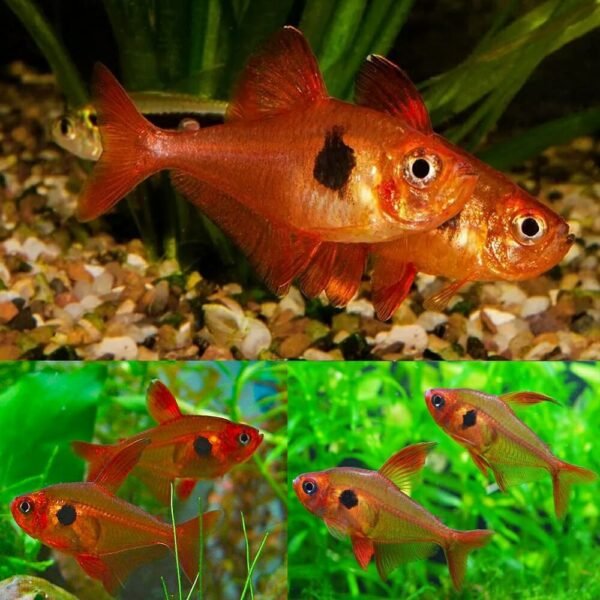
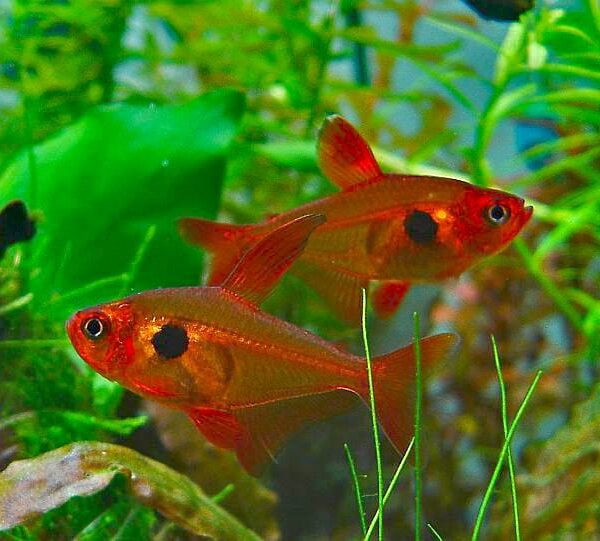
Translucent white or pale pink body with subtle red eyes; lacks pigmentation.
Peaceful and social, schooling fish that prefers groups of 6 or more.
Active mid-water swimmer; coloration can appear brighter under proper lighting.
Very hardy and adaptable to a range of water conditions.
🍽️ Food
Type: Omnivorous
Diet: Flake food, micro-pellets, live/frozen foods such as daphnia, brine shrimp, and bloodworms.
Feeding Schedule: 2–3 small meals per day; avoid overfeeding to maintain water quality.
🛠️ Tank Setup & Maintenance
Tank Size: Minimum 10 gallons for a small school; larger tanks ideal for more fish.
Filtration: Moderate flow; avoid strong currents to prevent stress.
Decor: Plants, driftwood, and open swimming areas; floating plants provide shade.
Water Changes: 25% weekly to maintain water quality and health.
👥 Social Behavior
Shoaling fish; minimum 6 fish per group recommended for natural schooling and reduced stress.
Compatible with peaceful community fish like guppies, small rasboras, corydoras, and small barbs.
Avoid aggressive or large predatory species that may harass or eat them.
✅ Do’s
Keep in groups to maintain natural behavior and reduce stress.
Provide shaded areas with plants or décor to simulate natural habitat.
Maintain clean and well-oxygenated water to preserve health and coloration.
❌ Don’ts
Do not keep alone; they will become stressed and timid.
Avoid mixing with aggressive species.
Do not overcrowd; maintain proper stocking levels.
⭐ Quick Tips
Albino Widow Tetras are visually striking in community tanks due to their pale body and red eyes.
Peaceful, hardy, and ideal for beginners.
Thrive under moderate lighting; too bright light may stress them.
Best displayed in mid-water zones with other peaceful schooling species.