

Description
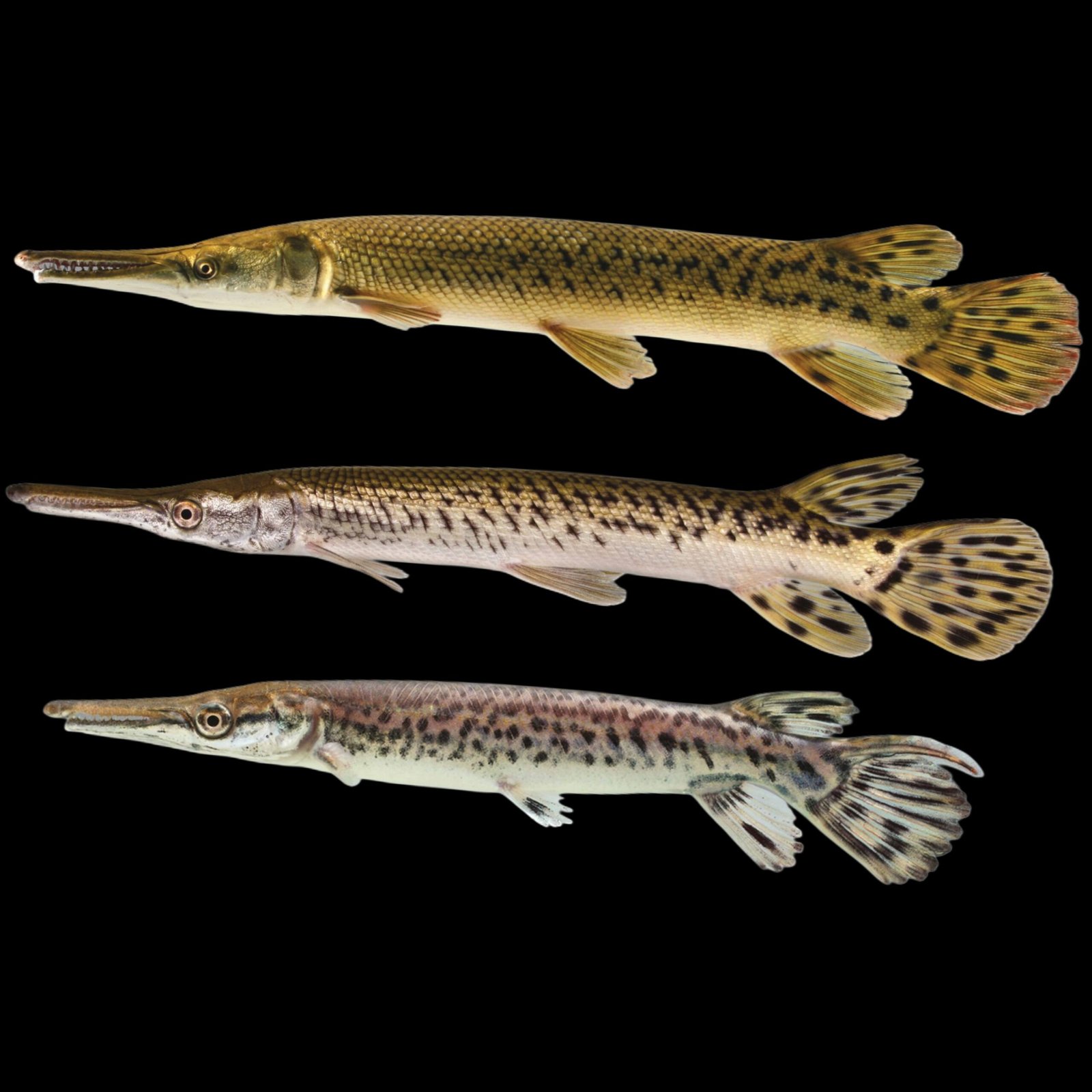
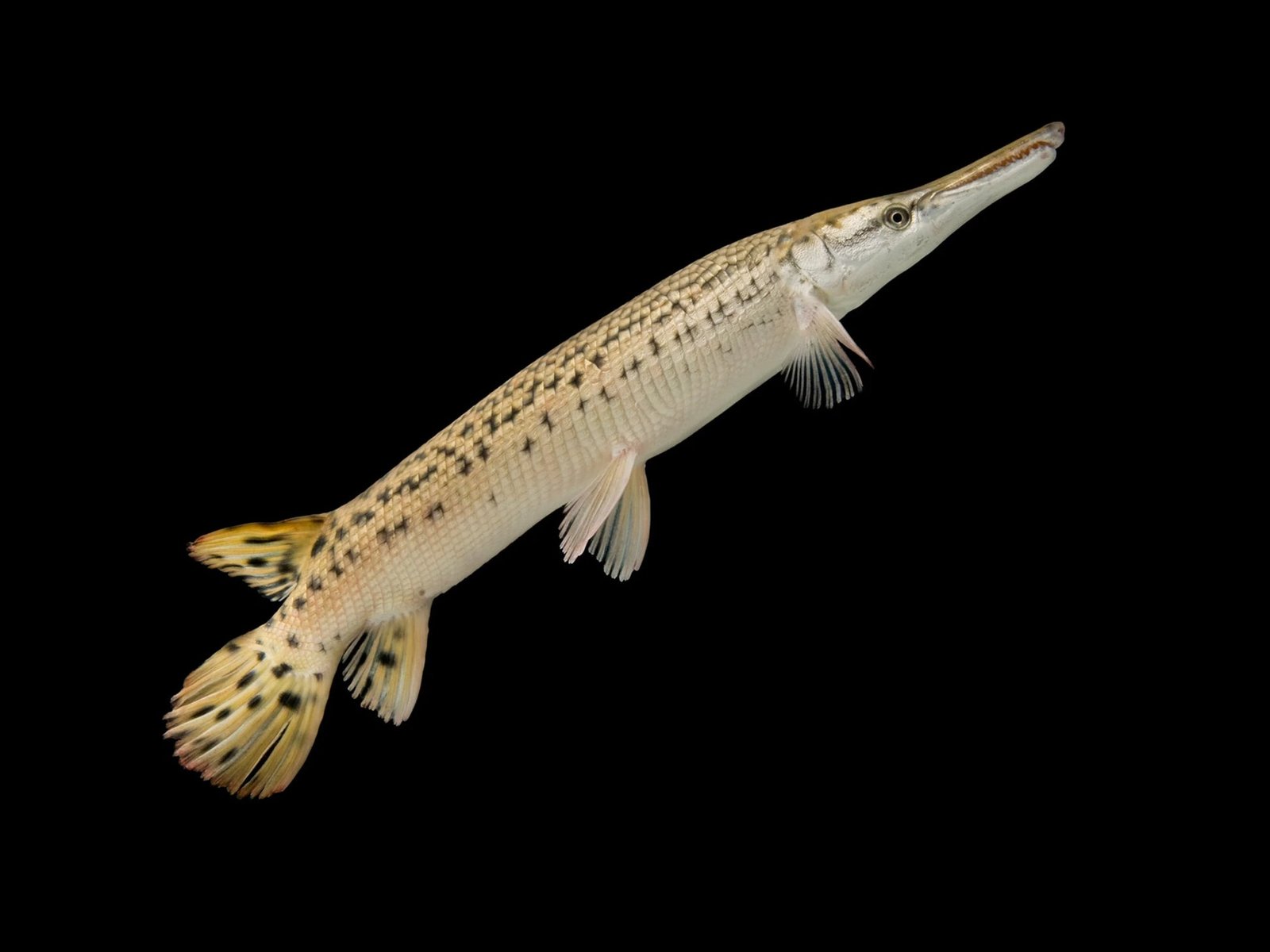
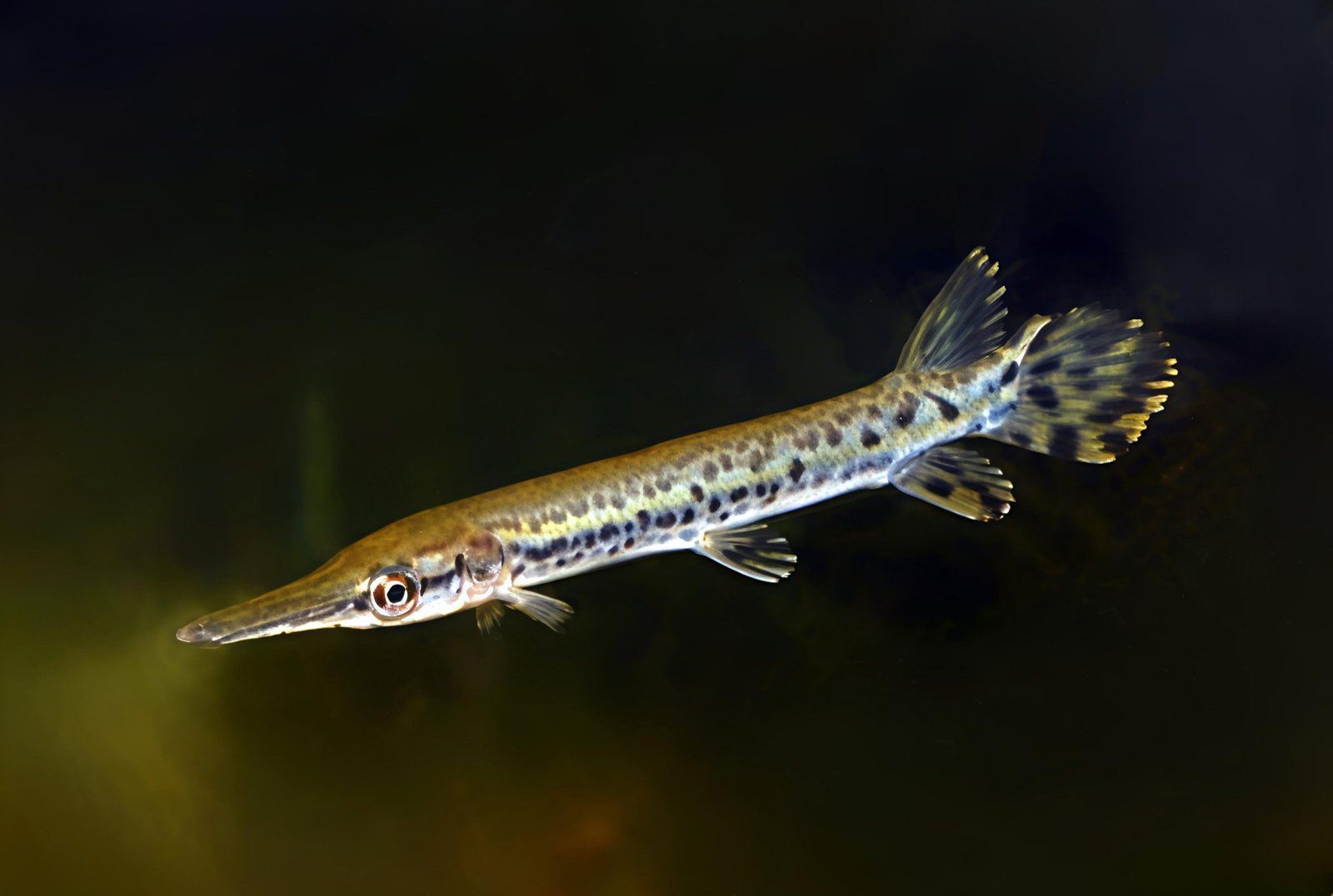
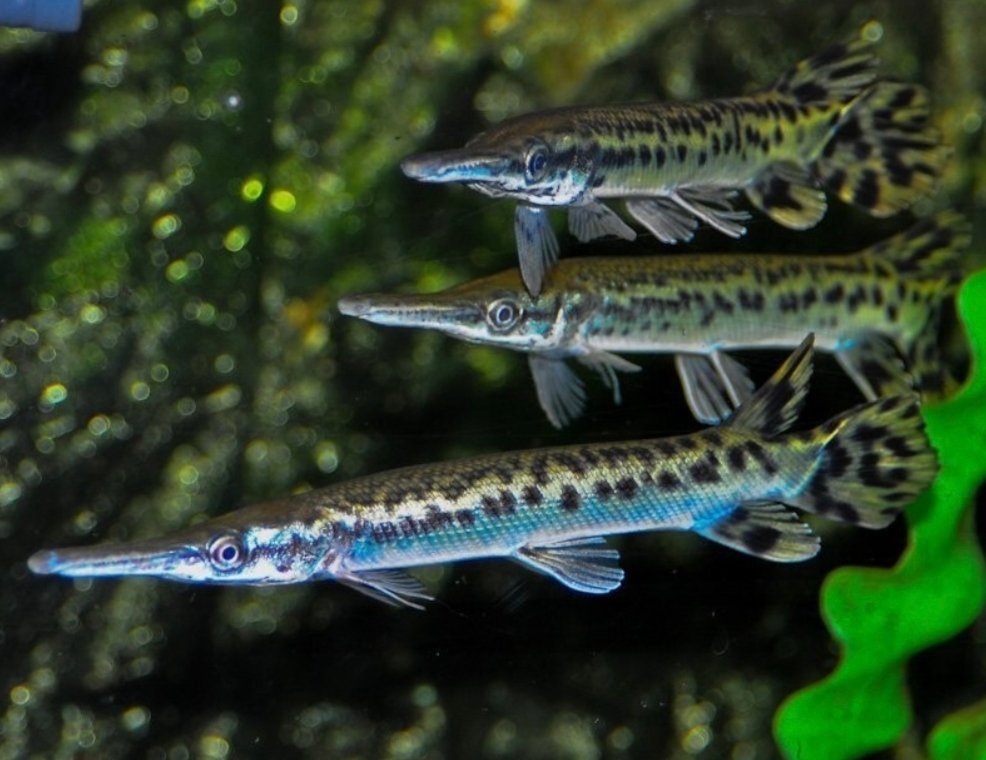
Alligator Gar (Atractosteus spatula)
📌 Basic Info
Scientific Name: Atractosteus spatula
Common Names: Alligator Gar, Giant Gar, Spotted Gar (juveniles)
Family: Lepisosteidae (Gars)
Order: Lepisosteiformes
Origin: North America — primarily Mississippi River Basin, Gulf of Mexico tributaries, and southeastern U.S. freshwater rivers and lakes
Size: Up to 10 feet (3 m) in the wild; 4–6 feet (1.2–1.8 m) in captivity with proper care
Lifespan: 50+ years in captivity
Tank Zone: Top and mid dweller; ambush predator
🌊 Water Parameters
TDS: 150 – 400 ppm
pH: 6.5 – 7.8
Temperature: 22 – 28°C (72 – 82°F)
Hardness: 8 – 20 dGH
🐟 Characteristics
Body: Long, cylindrical, and heavily armored with interlocking ganoid scales; broad, alligator-like snout filled with sharp teeth.
Behavior: Apex predator; very aggressive and territorial.
Swimming Style: Slow-moving ambush predator, often hovers near the water surface.
Unique Feature: Can breathe air using its vascularized swim bladder in low-oxygen water.
Nature: Cautious but highly predatory; feeds primarily on fish and small mammals in the wild.
🍽️ Food
Type: Carnivorous predator
Diet: Large live fish, shrimp, crayfish, frogs, and occasionally rodents; frozen meaty foods in captivity.
Feeding: Large portions every 2–3 days; juveniles may require daily feeding.
Tip: Avoid feeder fish if possible — high risk of disease transmission.
🛠️ Maintenance
Tank Size: Extremely large — minimum 1,500 gallons (5,700 L) for adults. Ponds are ideal.
Filtration: Very strong filtration with high oxygenation; produces large bioload.
Decor: Mostly open swimming area; a few large hiding structures like driftwood or PVC pipes.
Lighting: Moderate; provide shaded areas.
Water Change: 25–30% weekly for stable water parameters.
👥 Social Behavior
Minimum Group Size: Solitary; highly aggressive to other fish of similar size.
Tank Mates: Only very large, robust species (if any); not recommended in community tanks.
Avoid: Small or medium fish — will be eaten instantly.
✅ Do’s
Provide massive tank or pond for free movement.
Feed a diet of large, protein-rich foods.
Maintain excellent filtration and water quality.
Monitor closely — powerful predator.
❌ Don’ts
Don’t keep in standard aquariums.
Don’t mix with small or medium fish.
Don’t neglect water quality or filtration — sensitive to poor water.
⭐ Quick Tips
The Alligator Gar is one of the largest and most impressive freshwater predators in the world.
Ideal only for advanced aquarists or private pond setups due to its size, longevity, and predatory nature.
Recognized for its prehistoric look, strong body, and air-breathing ability, it is truly a showpiece apex predator.