




Description
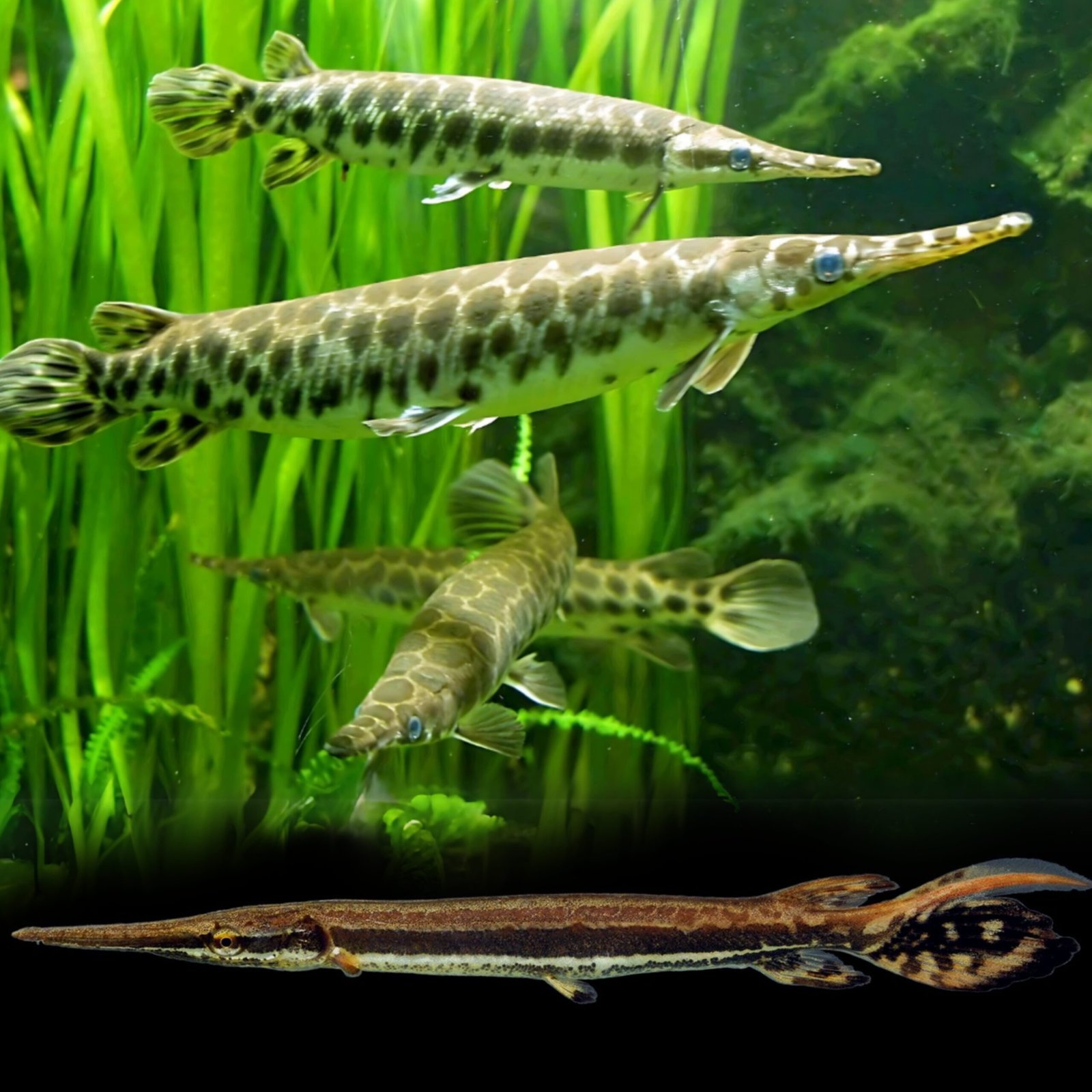
Florida Gar (Lepisosteus platyrhincus)
📌 Basic Info
Scientific Name: Lepisosteus platyrhincus
Common Names: Florida Gar, Shortnose Gar, Florida Longnose Gar
Family: Lepisosteidae (Gars)
Order: Lepisosteiformes
Origin: Southeastern United States — primarily Florida, Georgia, and Gulf Coast rivers, lakes, and estuaries
Size: Up to 4 feet (1.2 m) in the wild; typically 2–3 feet (60–90 cm) in captivity
Lifespan: 15 – 25 years
Tank Zone: Top and mid dweller; ambush predator
🌊 Water Parameters
TDS: 150 – 350 ppm
pH: 6.5 – 7.8
Temperature: 22 – 28°C (72 – 82°F)
Hardness: 8 – 20 dGH
🐟 Characteristics
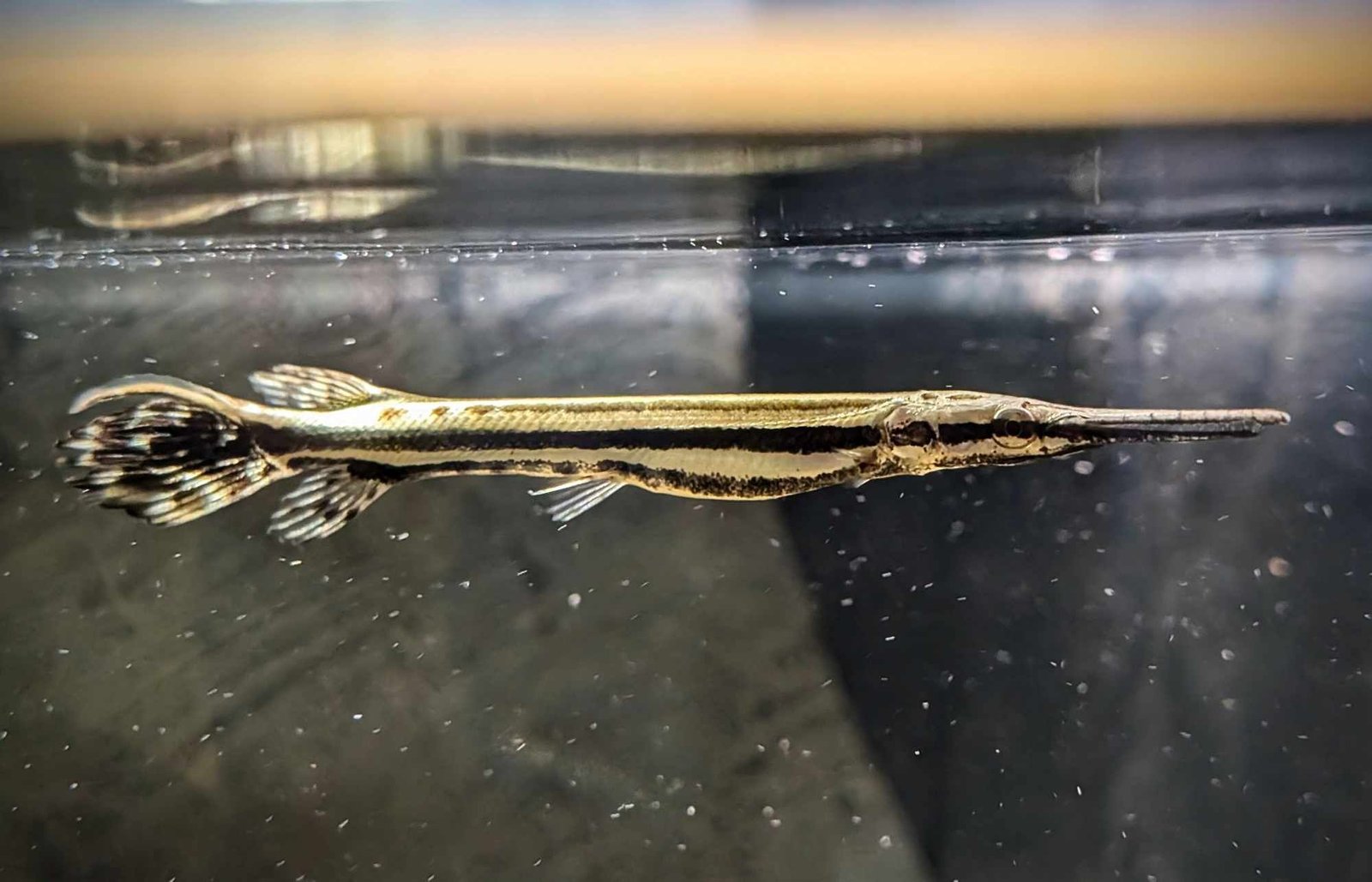
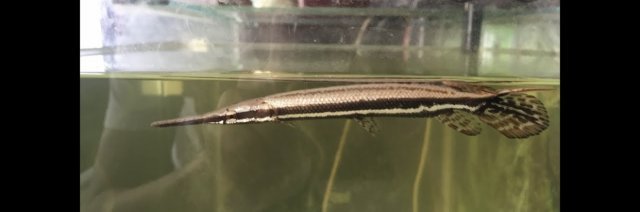
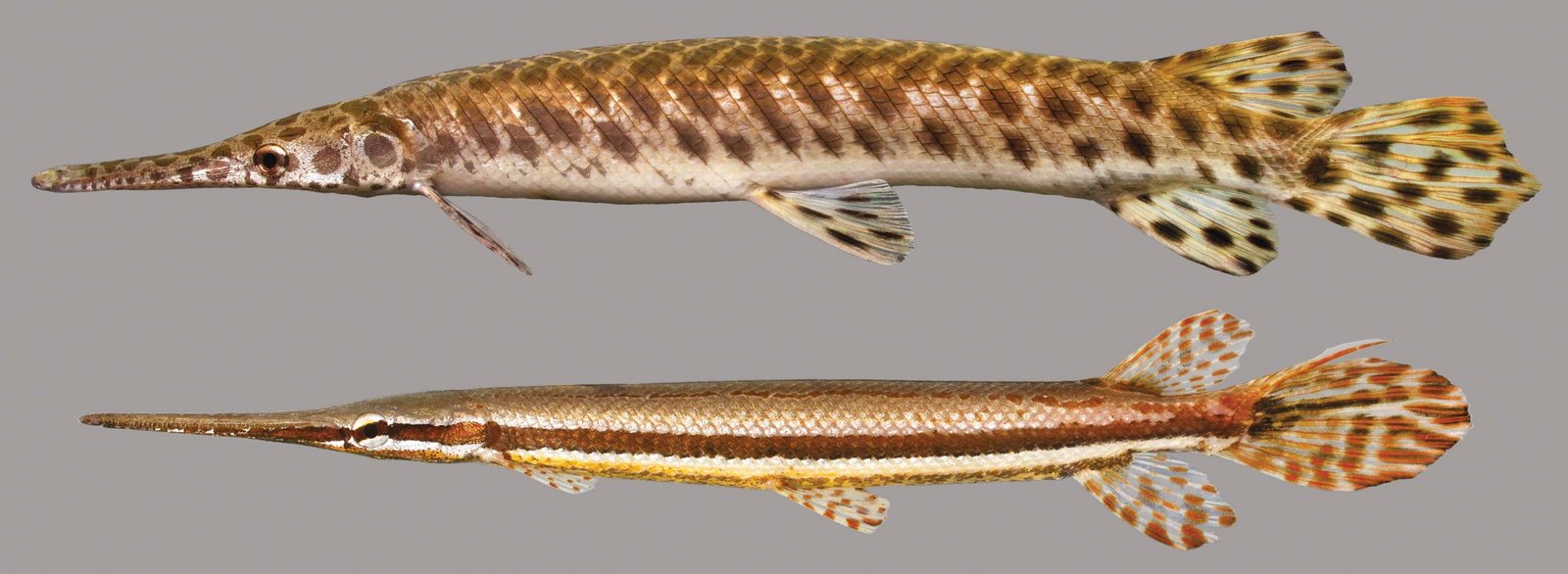
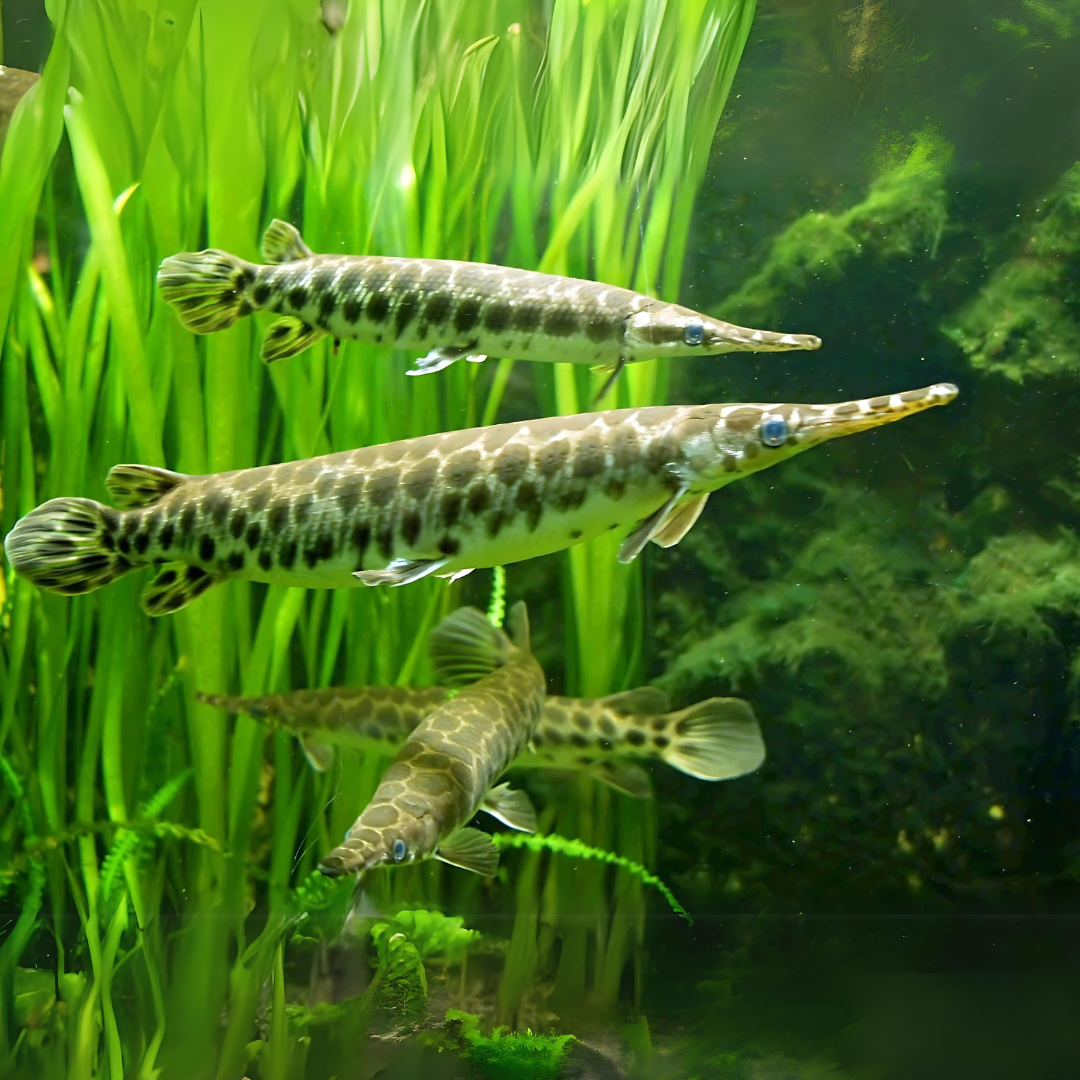
Body: Elongated, cylindrical body with olive-brown coloration and scattered dark spots; relatively shorter snout compared to other gars.
Behavior: Solitary ambush predator; relies on stealth and quick strikes.
Swimming Style: Moves slowly along the water surface and mid-level; quick bursts to catch prey.
Unique Feature: Can breathe air using its vascularized swim bladder in oxygen-poor conditions.
Nature: Predatory and cautious; mostly nocturnal hunter.
🍽️ Food
Type: Carnivorous
Diet: Small to medium live fish, shrimp, frogs, crayfish, and frozen meaty foods.
Feeding: Juveniles may feed daily; adults every 2–3 days.
Tip: Avoid frequent feeder fish — high risk of disease.
🛠️ Maintenance
Tank Size: Minimum 800 gallons (3,000 L) for adults; large ponds preferred.
Filtration: Powerful filtration with high oxygenation; produces heavy waste.
Decor: Mostly open swimming space; a few driftwood pieces or rocks for hiding.
Lighting: Moderate to low; shaded areas recommended.
Water Change: 25–30% weekly to maintain clean, stable water.
👥 Social Behavior
Minimum Group Size: Solitary; can be aggressive toward other fish.
Tank Mates: Only very large, robust fish if any.
Avoid: Small or medium fish — will be eaten.
✅ Do’s
Provide massive tanks or ponds with open swimming space.
Feed a diet of large, protein-rich foods.
Maintain excellent water quality and filtration.
Monitor closely — apex predator behavior.
❌ Don’ts
Don’t keep in small aquariums.
Don’t house with small or slow-moving fish.
Don’t ignore water quality and tank cleanliness.
⭐ Quick Tips
The Florida Gar is a prehistoric-looking, stealthy predator prized for its short snout and strong hunting skills.
Best suited for advanced aquarists with large aquariums or ponds, it is a long-living, impressive showpiece fish.
Its ability to survive in low-oxygen water using its swim bladder makes it highly adaptable to varying freshwater conditions.