






Description
Vinegar Eel Live Culture – Microscopic Live Food for Fish Fry
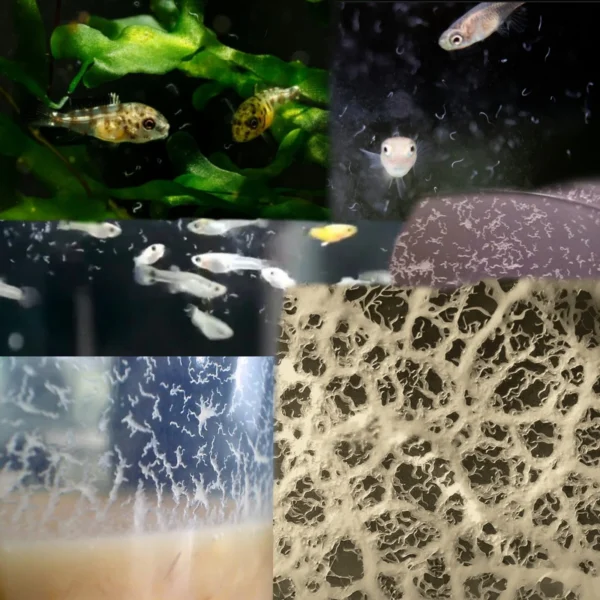
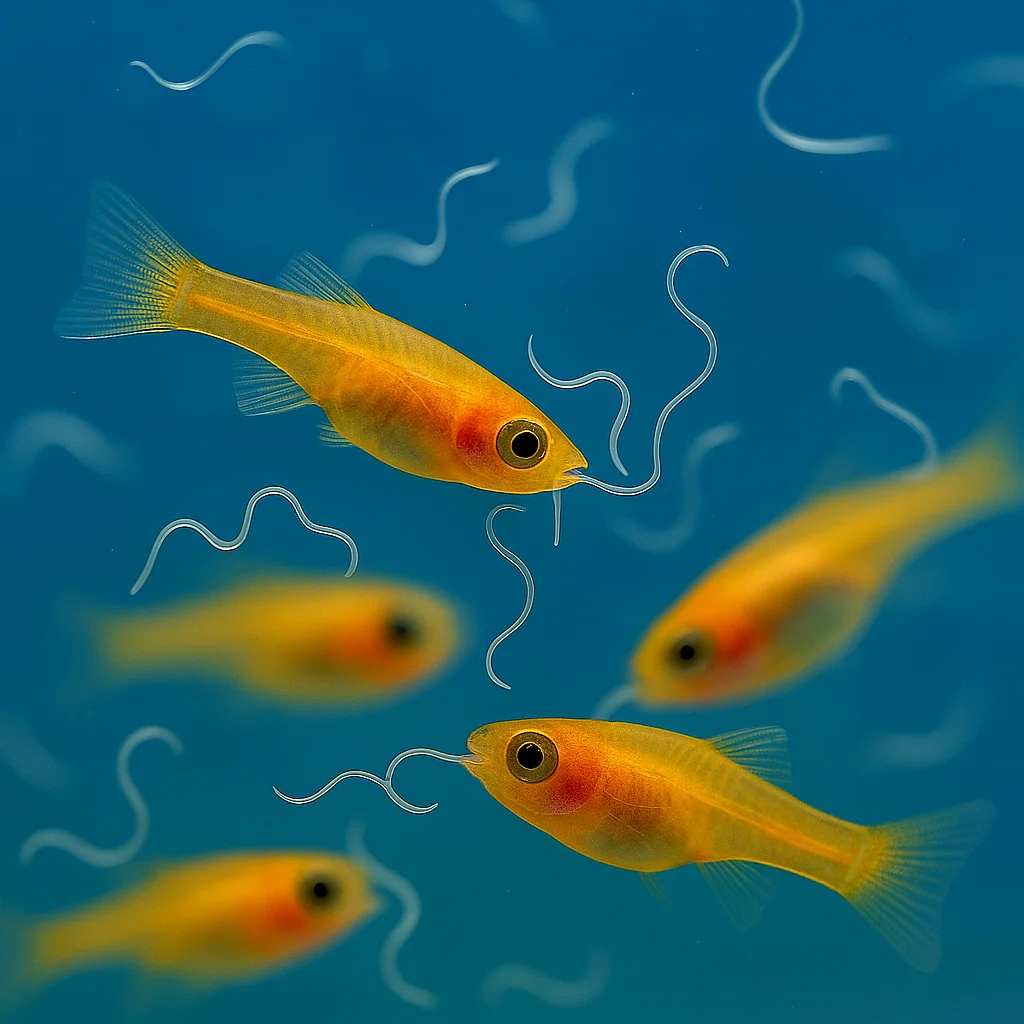
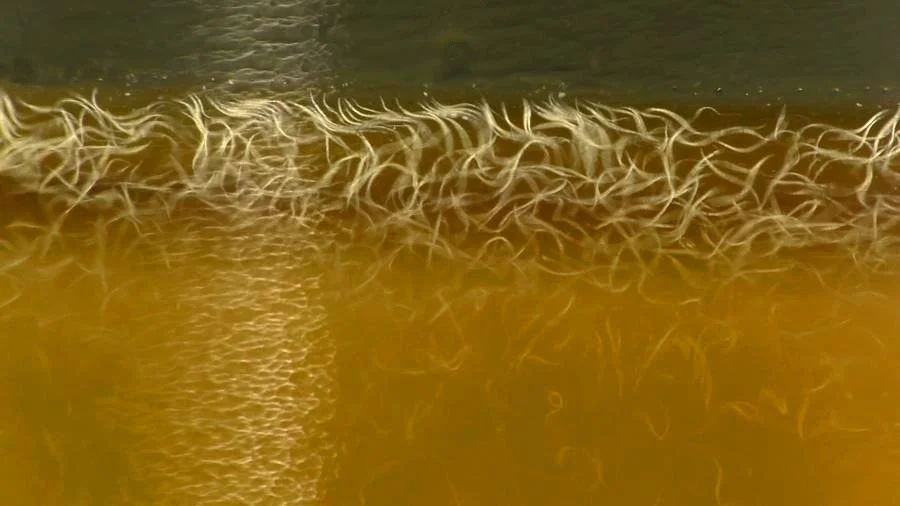
The Vinegar Eel Live Culture is an excellent starter live food for tiny fish fry that are too small to consume baby brine shrimp or Daphnia. These microscopic nematodes thrive in vinegar cultures and provide a continuous, easy-to-harvest supply of live food. With their small size and natural wriggling movement, vinegar eels trigger strong feeding responses in fry, ensuring healthy growth and higher survival rates.
💡 Key Features
✅ Microscopic Size – Perfect first food for small fry (bettas, tetras, killifish).
✅ Highly Nutritious – Provides proteins, lipids, and essential nutrients.
✅ Easy to Culture – Grows in simple vinegar-based medium with minimal care.
✅ Long-Lasting Supply – Self-sustaining live culture for continuous harvesting.
✅ Enhances Fry Survival – Ensures better growth during the critical early stages.
🐟 Suitable For
Newly hatched fry (bettas, gouramis, killifish, tetras)
Small livebearer fry (guppies, endlers, mollies)
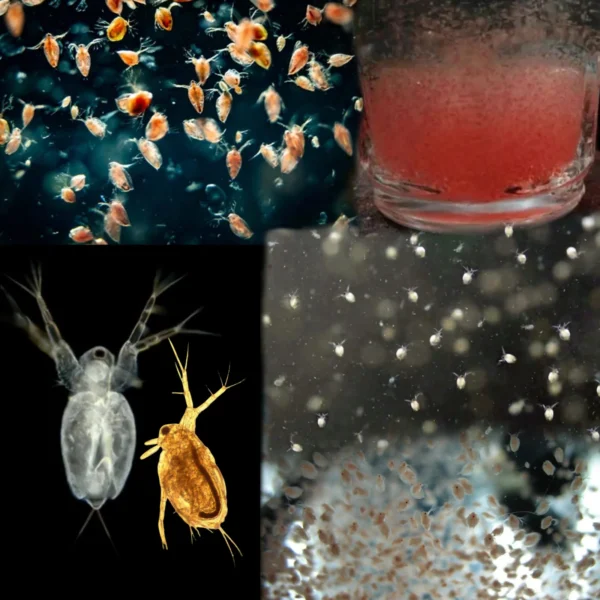
Any tiny fish that need micro live food before transitioning to Moina, Daphnia, or baby brine shrimp
⚙️ Specifications
Product Name: Vinegar Eel Live Culture
Type: Live micro-organism (nematode)
Size: 0.5 – 2 mm
Application: First food for tiny aquarium fry
🔧 How to Use
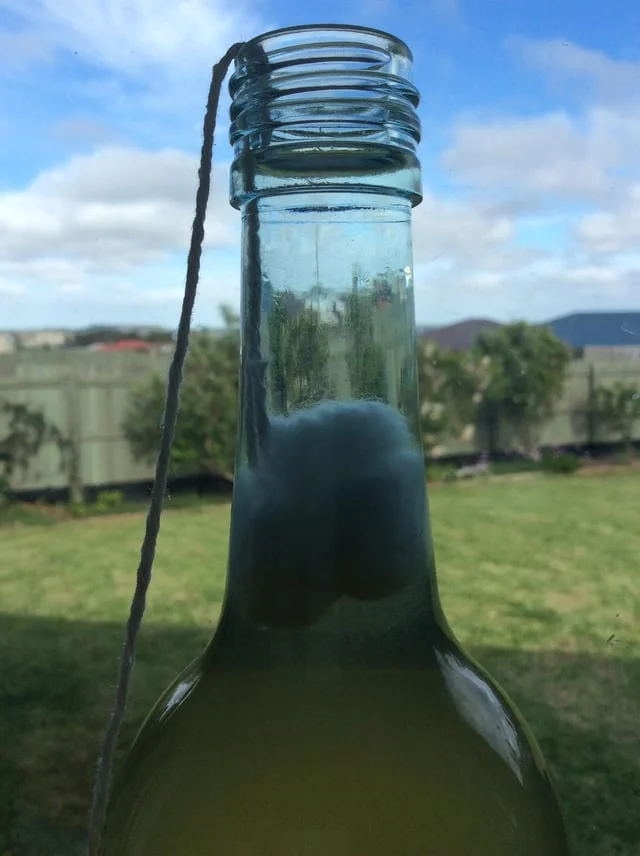
Harvest vinegar eels using a cotton filter method or pipette.
Rinse briefly in freshwater before feeding.
Add small amounts directly to fry tanks.
Feed daily to support steady growth.
🧼 Culture & Maintenance Tips
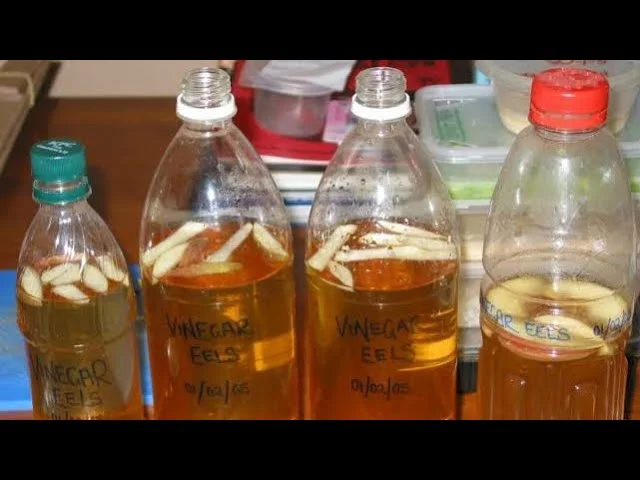
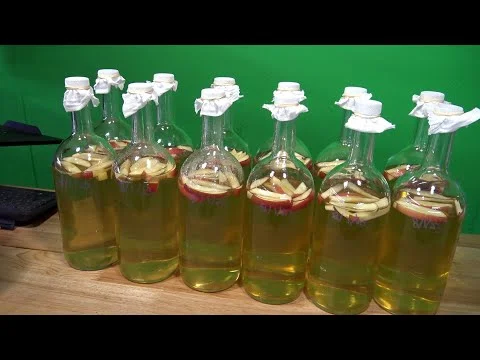
Maintain cultures in apple cider vinegar mixed with water.
Add small pieces of apple as food source for eels.
Keep at room temperature away from direct sunlight.
Start new cultures every few months for a continuous supply.
✅ Why Choose Vinegar Eel Live Culture?
Vinegar eels are one of the easiest and most reliable micro live foods for fish breeders. They ensure fry have access to nutritious, moving food at the earliest stages, boosting growth and survival before transitioning to larger live foods.