
![(AGG) INTAN – RED ENHANCE PELLETS (Floating Pellets) [Loose Pack]](https://snkaquapets.com/wp-content/uploads/2025/08/IMG-20250903-WA0118-600x600.jpg)

Description
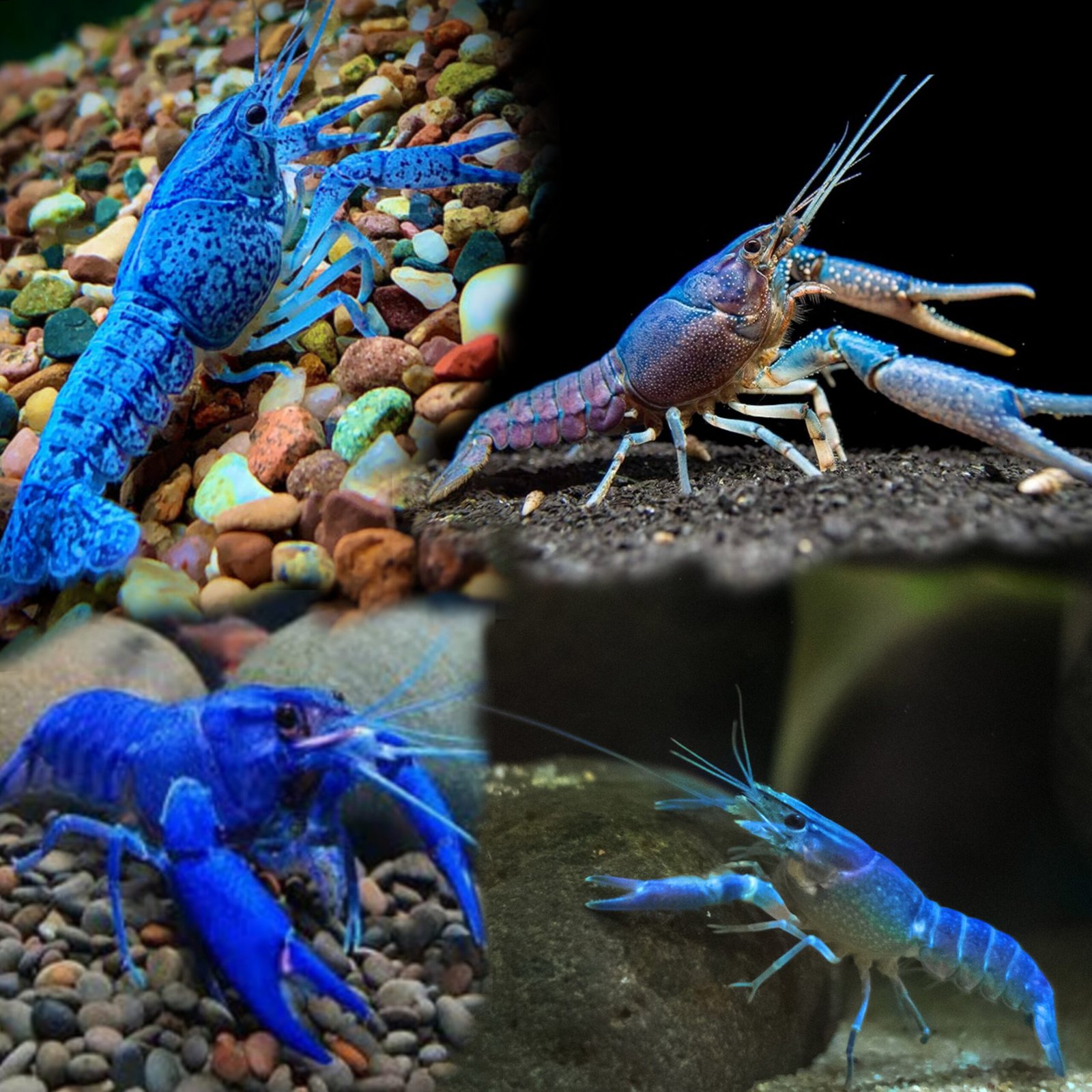
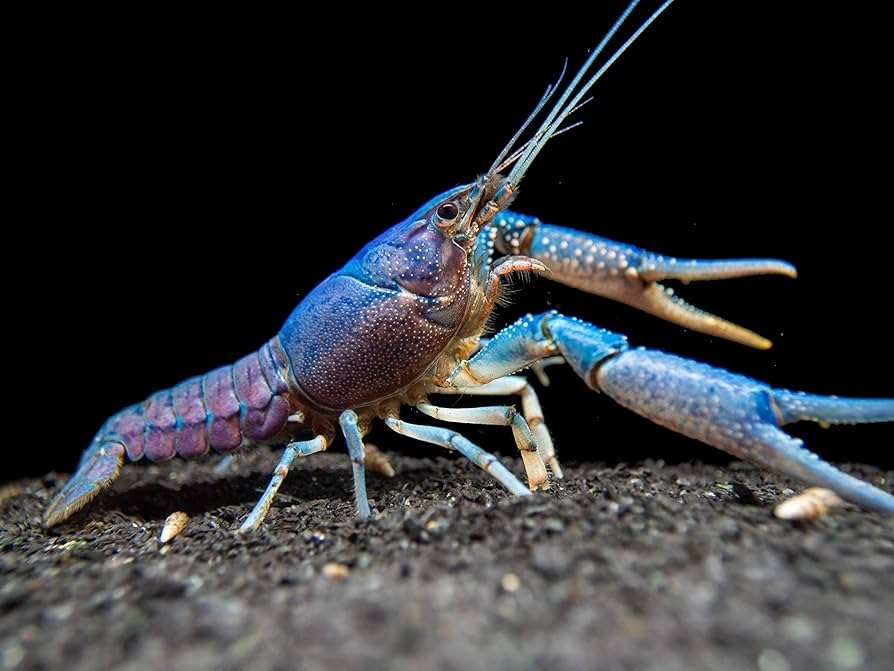
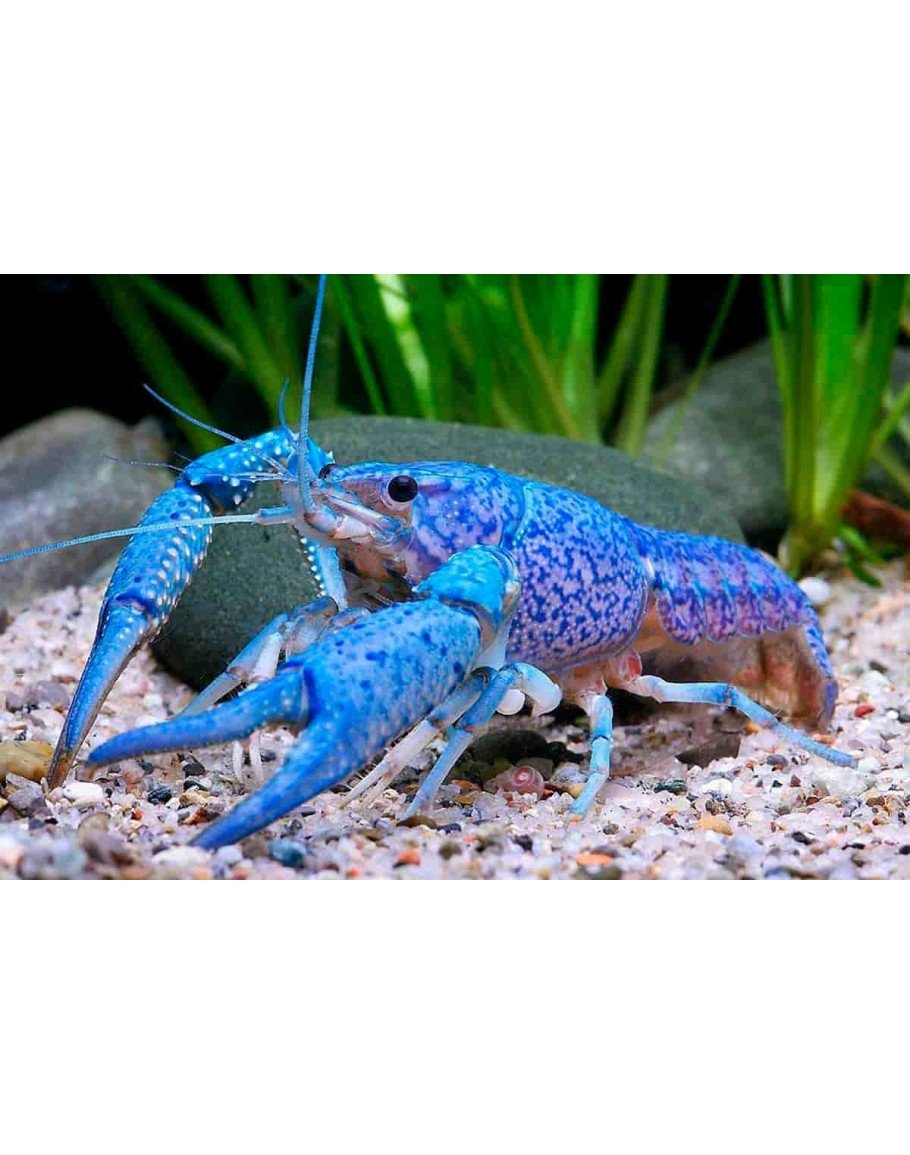
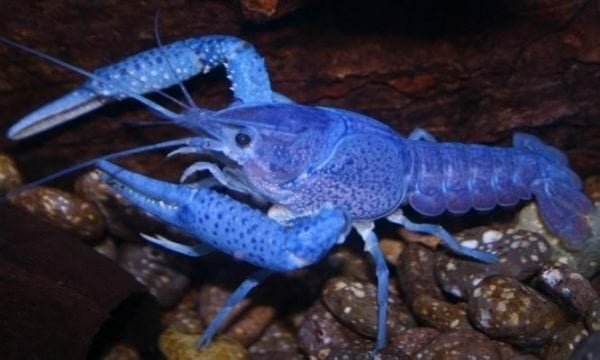
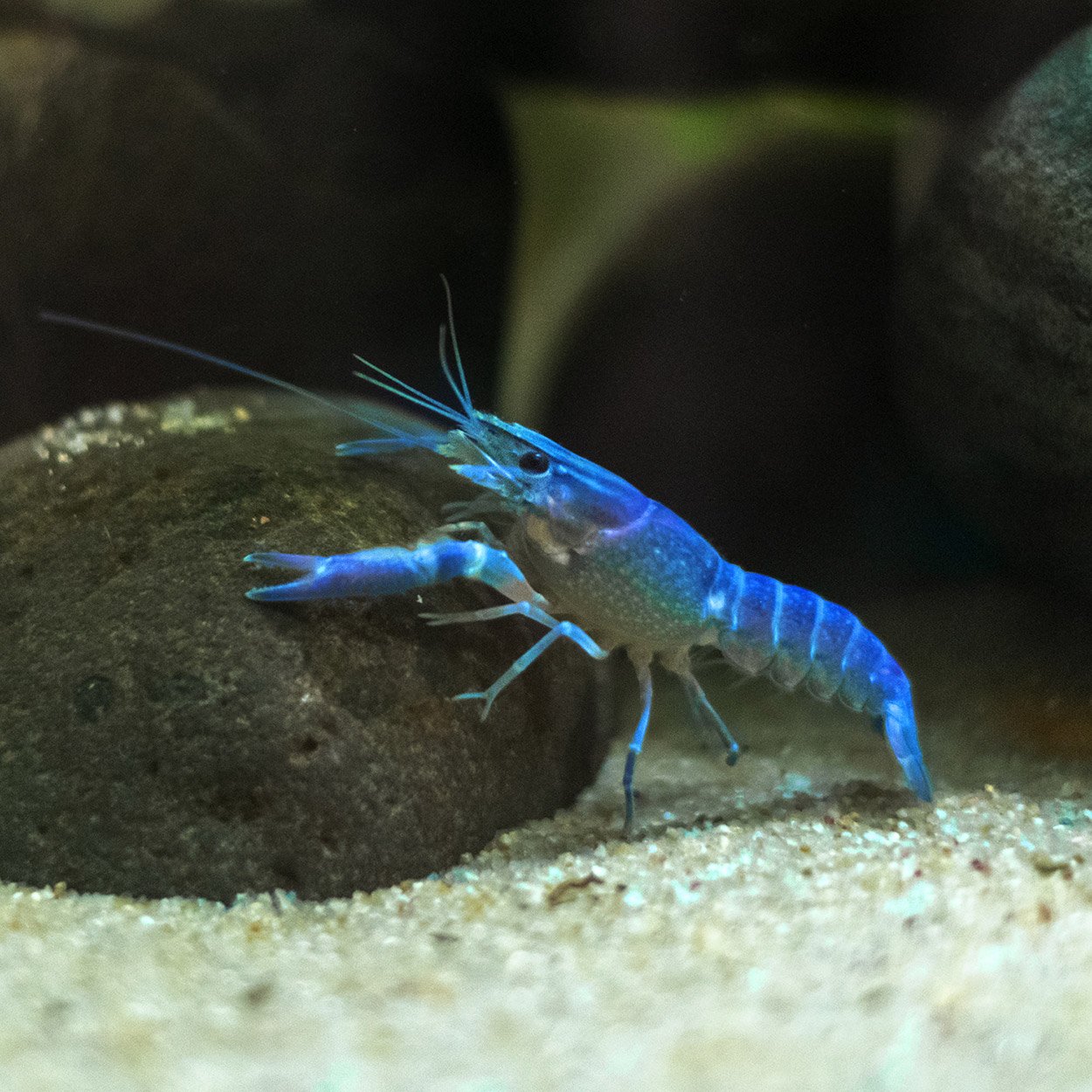
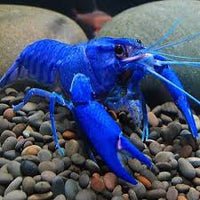
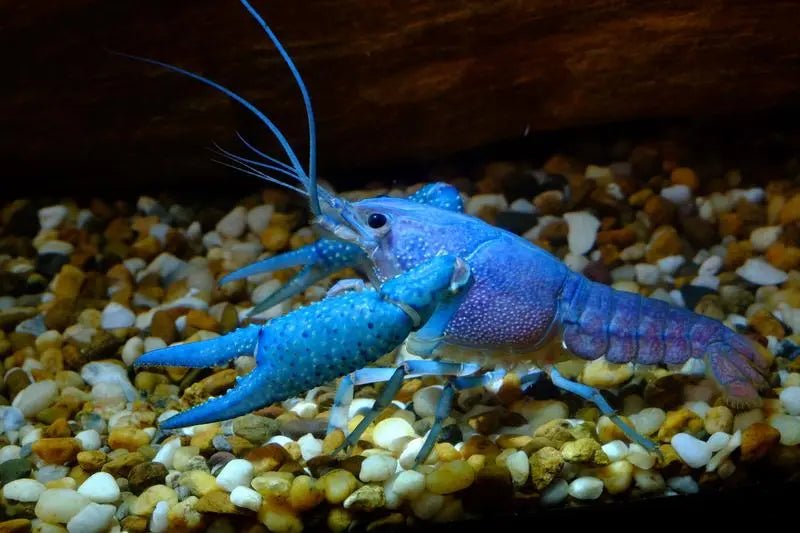
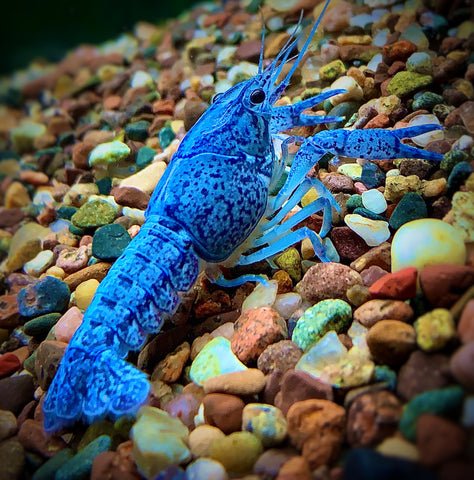
Blue Crayfish (Procambarus alleni)
📌 Basic Info
-
Scientific Name: Procambarus alleni
-
Common Names: Blue Crayfish, Electric Blue Crayfish, Blue Lobster
-
Family: Cambaridae
-
Origin: Florida, USA (freshwater swamps, ditches, streams)
-
Size: 4 – 6 inches (10 – 15 cm)
-
Lifespan: 4 – 6 years (sometimes longer with proper care)
-
Tank Zone: Bottom dweller
🌊 Water Parameters
-
TDS: 150 – 300 ppm
-
pH: 6.5 – 8.0
-
Temperature: 20 – 26°C (68 – 79°F)
-
Hardness: 6 – 15 dGH
🦞 Characteristics
-
Striking electric blue coloration (intensifies with a high-quality diet and proper water).
-
Hardy, adaptable, and very active.
-
Territorial and aggressive toward other crayfish and slow tank mates.
-
Excellent diggers and climbers – secure tank lid required.
-
Molts several times a year; vulnerable during molting.
🍽️ Food
-
Type: Omnivorous scavenger.
-
Diet: Sinking pellets, algae wafers, blanched vegetables (spinach, peas, zucchini), protein-rich foods (shrimp, worms, snails, frozen fish food).
-
Feeding Schedule: Once daily; remove leftovers.
🛠️ Tank Setup & Maintenance
-
Tank Size: Minimum 30 gallons for one adult.
-
Filtration: Strong, efficient filtration (they’re messy eaters).
-
Decor: Provide caves, driftwood, and rocks for hiding.
-
Substrate: Sand or smooth gravel (they dig and burrow).
-
Water Changes: 25–30% weekly.
👥 Social Behavior
-
Aggressive and territorial; safest to keep singly.
-
Can coexist with fast, upper-water fish (like danios, barbs), but may catch slower fish.
-
Not recommended with bottom dwellers (corydoras, loaches).
-
Keeping multiple requires a large tank with many shelters to reduce fights.
✅ Do’s
-
Use a secure lid – they escape easily.
-
Provide multiple hiding spots to protect them during molting.
-
Feed high-quality varied diet for best coloration.
❌ Don’ts
-
Don’t keep with small or peaceful community fish.
-
Don’t keep in planted aquariums – they dig up or eat plants.
-
Don’t overcrowd with other crayfish.
⭐ Quick Tips
-
One of the most popular crayfish due to its brilliant blue color.
-
Hardy and easy to care for – suitable even for beginners with proper setup.
-
Best kept as a single specimen or in a species-only tank.

