


Description
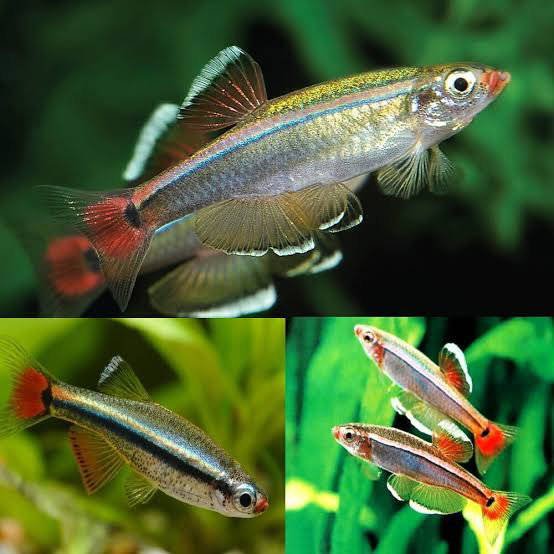
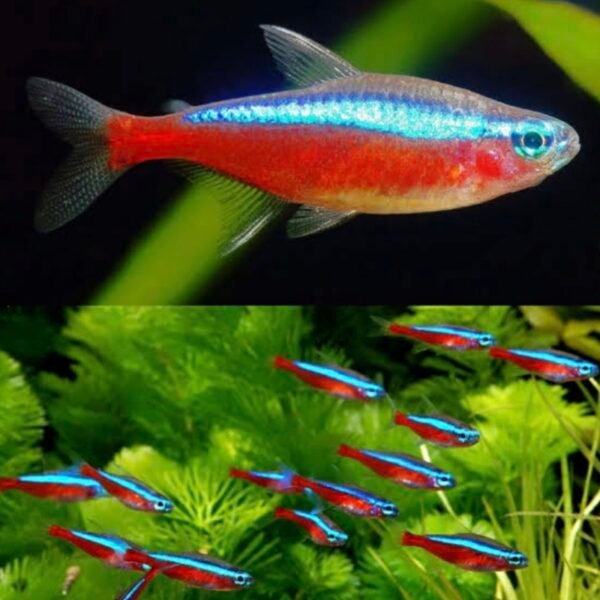
Flame Tetra (Hyphessobrycon flammeus)
📌 Basic Info
Scientific Name: Hyphessobrycon flammeus
Common Names: Flame Tetra, Red Tetra, Flame Tetra Fish
Family: Characidae (Tetras)
Order: Characiformes
Origin: South America — coastal rivers and streams of Brazil
Size: Up to 1.5 inches (4 cm) in captivity
Lifespan: 3 – 5 years
Tank Zone: Mid-level dweller; peaceful schooling fish
🌊 Water Parameters
TDS: 50 – 150 ppm
pH: 6.0 – 7.0
Temperature: 22 – 28°C (72 – 82°F)
Hardness: 2 – 12 dGH
🐟 Characteristics
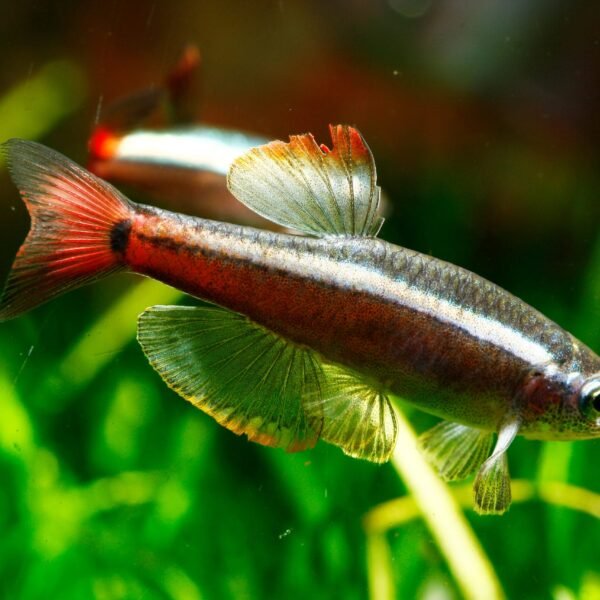
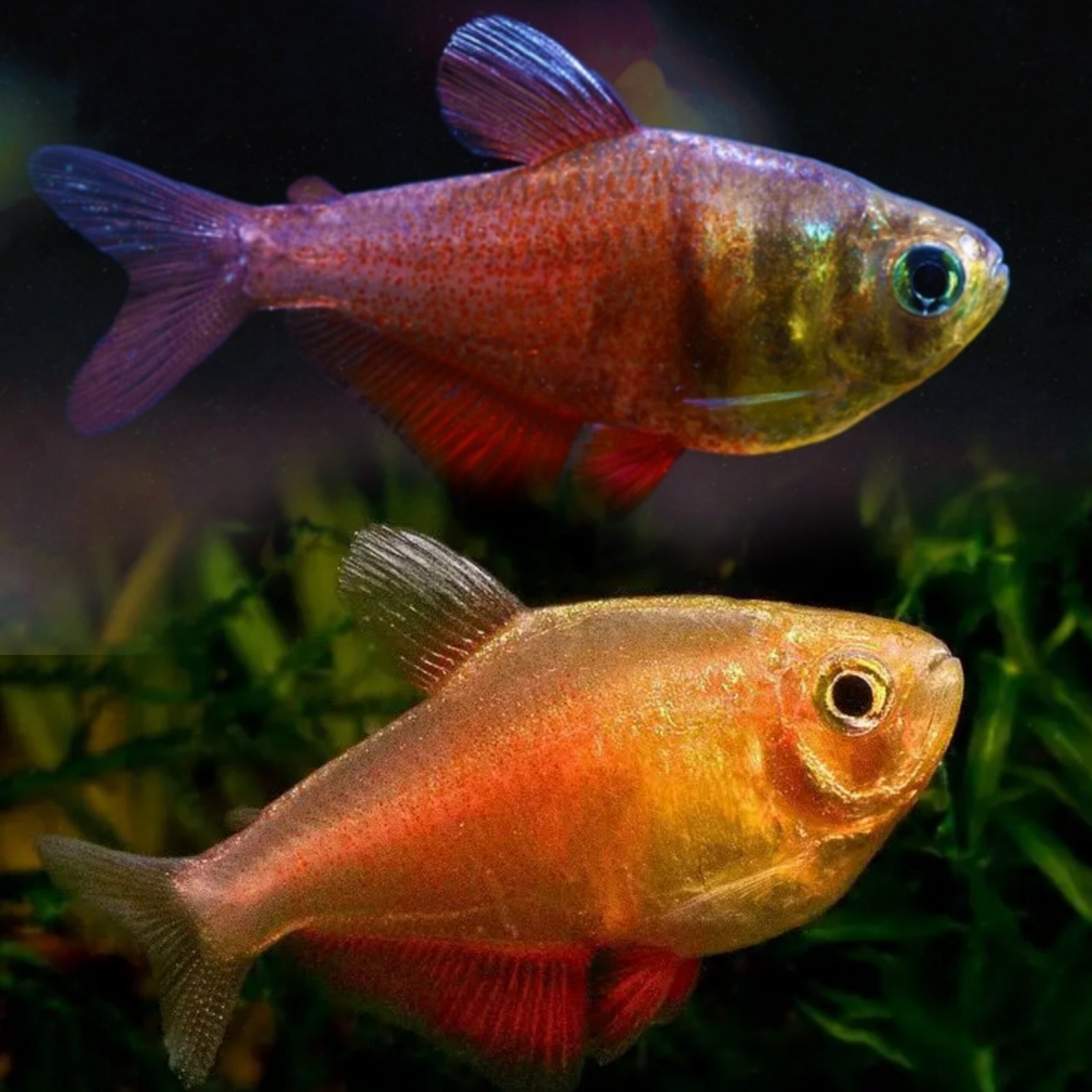
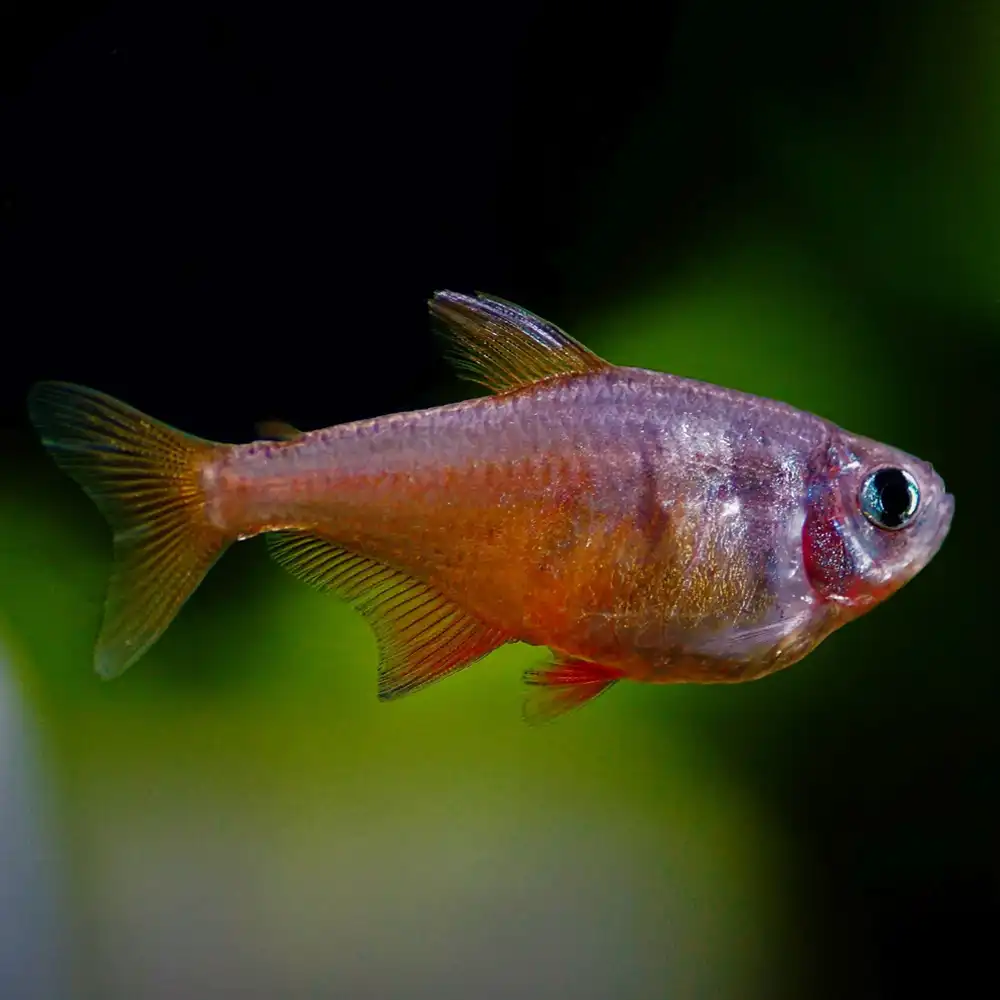
Body: Small, laterally compressed fish with vivid red-orange coloration covering the body and fins; slightly translucent fins.
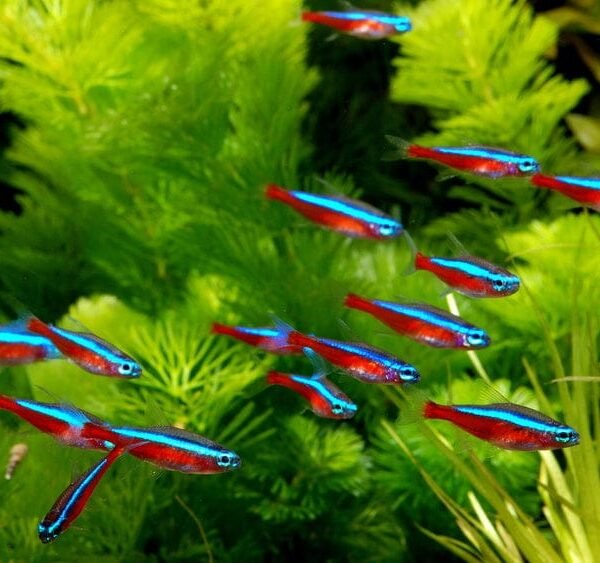
Behavior: Peaceful and active; thrives in schools of 6 or more.
Swimming Style: Constant mid-level swimmer; lively and interactive.
Unique Feature: Brilliant flame-like coloration makes it a popular ornamental fish.
Nature: Gentle, social, and hardy; suitable for community aquariums.
🍽️ Food
Type: Omnivorous
Diet: High-quality flakes, micro pellets, live/frozen foods (daphnia, brine shrimp, microworms)
Feeding: Twice daily in small portions
Tip: Feed in small amounts to prevent water pollution; varied diet enhances color
🛠️ Maintenance
Tank Size: Minimum 15 gallons (57 L) for a small school
Filtration: Gentle to moderate filtration; well-oxygenated water
Decor: Planted aquarium with open swimming spaces; smooth substrate
Lighting: Moderate; enhances coloration
Water Change: 20–25% weekly to maintain clean water
👥 Social Behavior
Minimum Group Size: 6 or more (shoaling species)
Tank Mates: Other small, peaceful tetras, rasboras, guppies, dwarf cichlids
Avoid: Aggressive or large predatory fish
✅ Do’s
Keep in groups for natural schooling behavior
Provide plants and open swimming areas
Maintain stable water parameters
Offer a varied diet to enhance coloration and health
❌ Don’ts
Don’t keep alone — will become stressed
Don’t house with aggressive fish
Don’t neglect water changes or filtration
⭐ Quick Tips
The Flame Tetra is a peaceful, active, and colorful schooling fish, perfect for community aquariums.
Best kept in groups of 6 or more, it displays natural shoaling behavior and adds vivid red-orange color to planted tanks.
Ideal for aquarists seeking small, hardy, and visually striking tetras.