![(J)Common Albino Pleco (Hypostomus plecostomus) [≈ 3 inches]](https://snkaquapets.com/wp-content/uploads/2025/08/Screenshot_2025-08-29-11-47-16-992_com.google.android.googlequicksearchbox-edit-600x600.jpg)
![(J) Black Bristlenose Pleco (Ancistrus sp.) [baby ≈ 2 inches ]](https://snkaquapets.com/wp-content/uploads/2025/08/Picsart_25-08-29_12-00-30-623-600x600.jpg)
Description
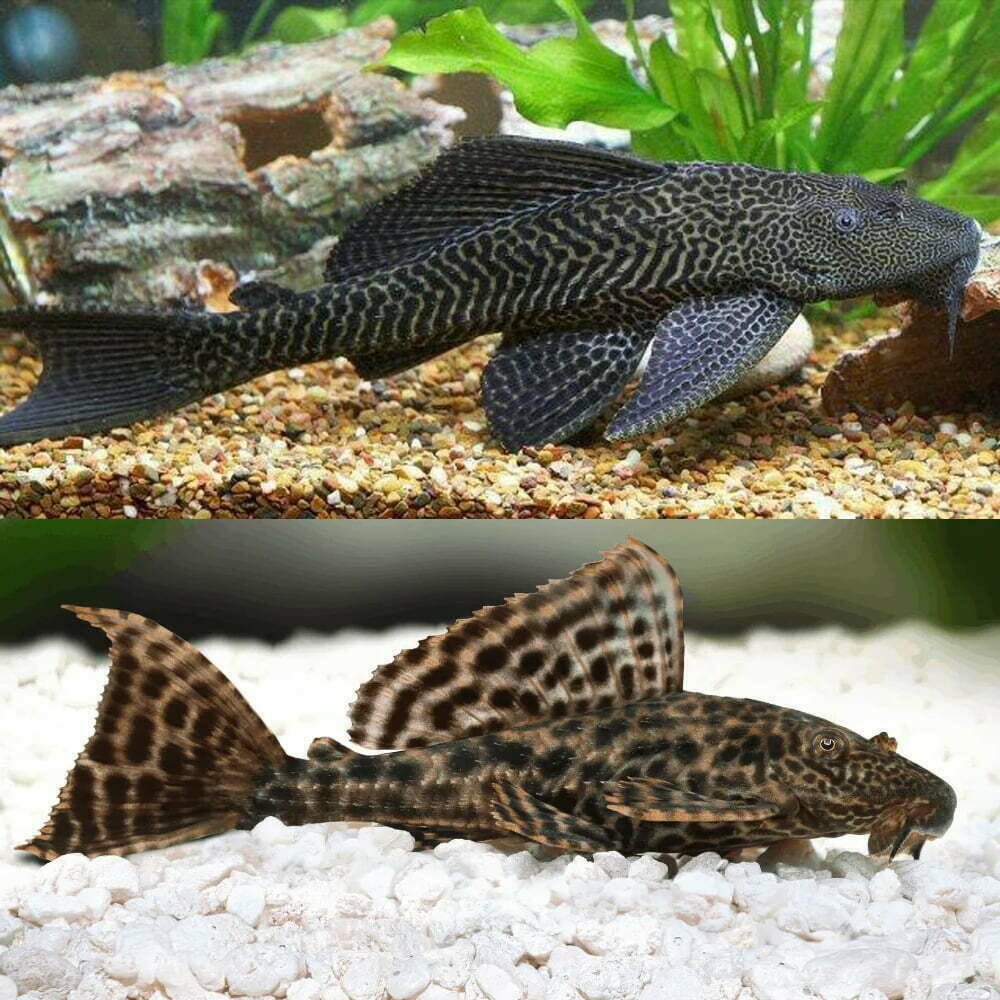
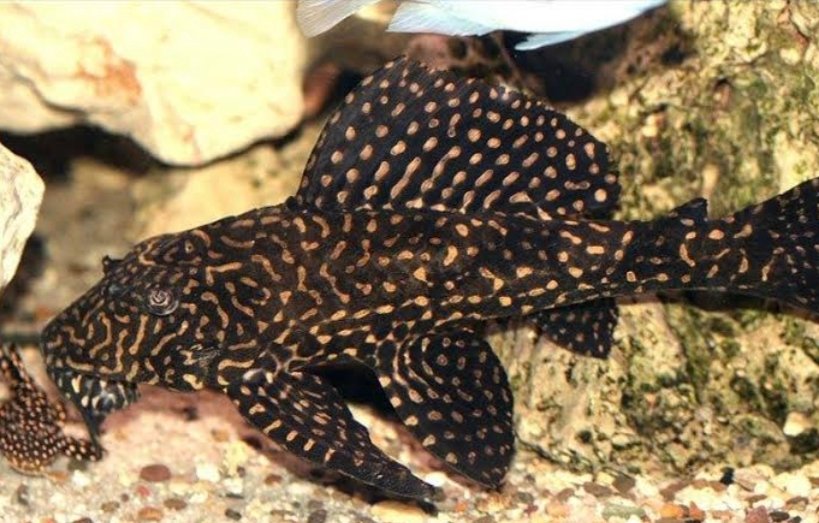
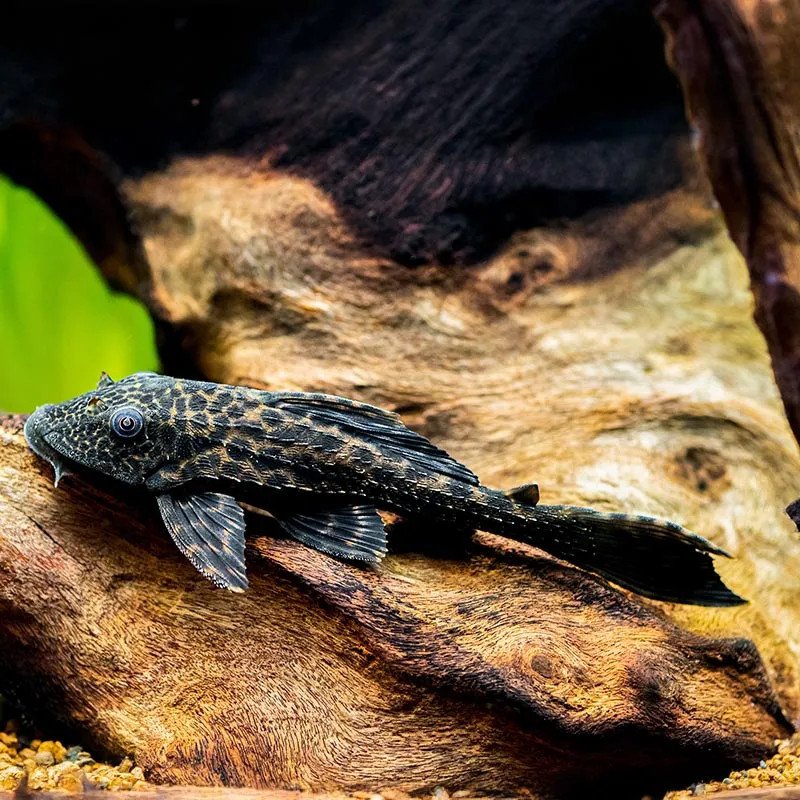
🐟 Common Black Pleco (Hypostomus plecostomus)
📌 Basic Info
Scientific Name: Hypostomus plecostomus
Family: Loricariidae
Origin: South America (Amazon River Basin)
Size: 15 – 20 inches (38 – 50 cm)
Lifespan: 10 – 15 years
Tank Zone: Bottom dweller
🌊 Water Parameters
TDS: 150 – 300 ppm
pH: 6.5 – 7.8
Temperature: 23 – 28°C (74 – 82°F)
Hardness: 5 – 20 dGH
🐟 Characteristics
Dark black or brown body with lighter spots or patterns.
Known as one of the largest plecos available in the hobby.
Excellent algae eater when young, but needs varied diet as it grows.
Very hardy and adaptable, making it popular with beginners.
Can become territorial with age, especially in smaller tanks.
🍽️ Food
Type: Omnivorous (with herbivore preference).
Diet: Algae wafers, sinking pellets, zucchini, cucumber, spinach, peas, driftwood (for fiber), and occasional protein like bloodworms or shrimp.
Feeding: Once daily; remove uneaten vegetables after 24 hours.
🛠️ Maintenance
Tank Size: Minimum 75 – 100 gallons (they grow very large).
Filtration: Strong filtration and high oxygenation required (they produce heavy waste).
Decor: Driftwood, caves, rocks, and hiding spaces.
Water Change: 30–40% weekly.
👥 Social Behavior
Minimum Group Size: Best kept singly due to size.
Tank Mates: Large peaceful fish like Oscars, Silver Dollars, Angelfish, Gouramis, large Tetras, and some cichlids.
Avoid: Tiny fish (may get eaten by mistake) and aggressive species.
✅ Do’s
Provide a big tank for long-term care.
Offer vegetables regularly along with algae wafers.
Add hiding spots (caves, driftwood, plants).
❌ Don’ts
Don’t keep in tanks smaller than 50 gallons.
Don’t rely only on algae for food.
Don’t keep multiple males in small tanks (they can fight).
⭐ Quick Tips
Common Black Plecos are hardy, long-living, and powerful algae eaters.
They outgrow small tanks quickly, so plan ahead for their adult size.
Ideal for large aquariums with big community fish or cichlids.