
![(UAA) Dwarf Orange Mexican Crayfish (Cambarellus patzcuarensis sp. Orange – CPO) [≈ 2cm]](https://snkaquapets.com/wp-content/uploads/2025/09/Picsart_25-10-12_23-50-55-817-600x600.jpg)


Description
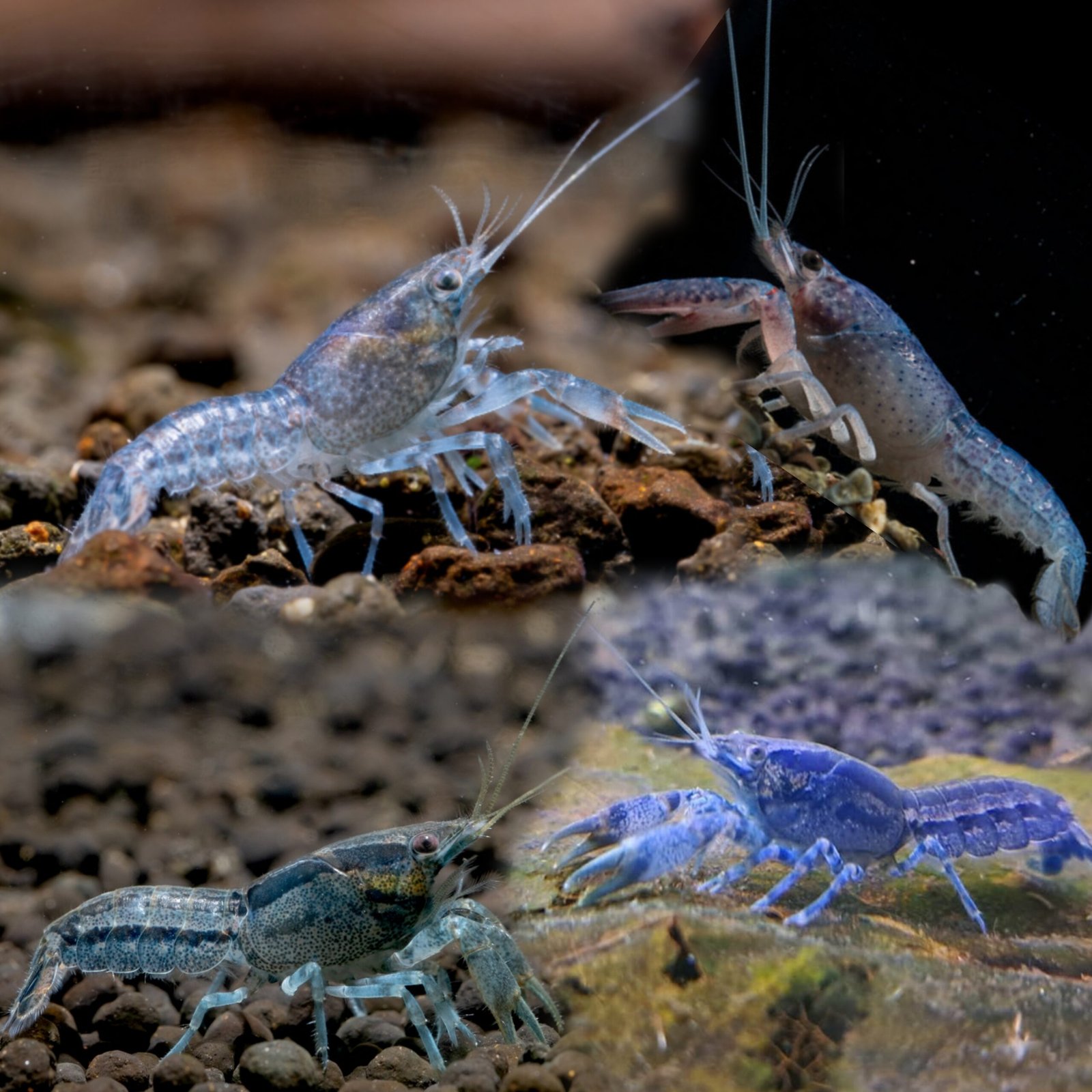
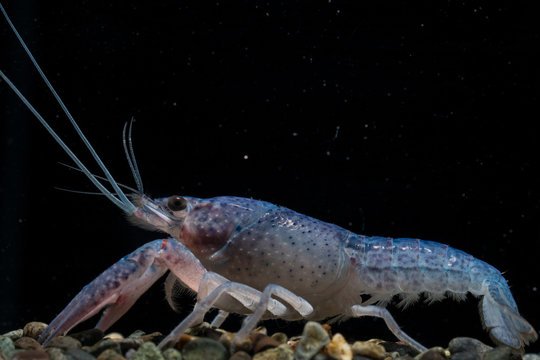
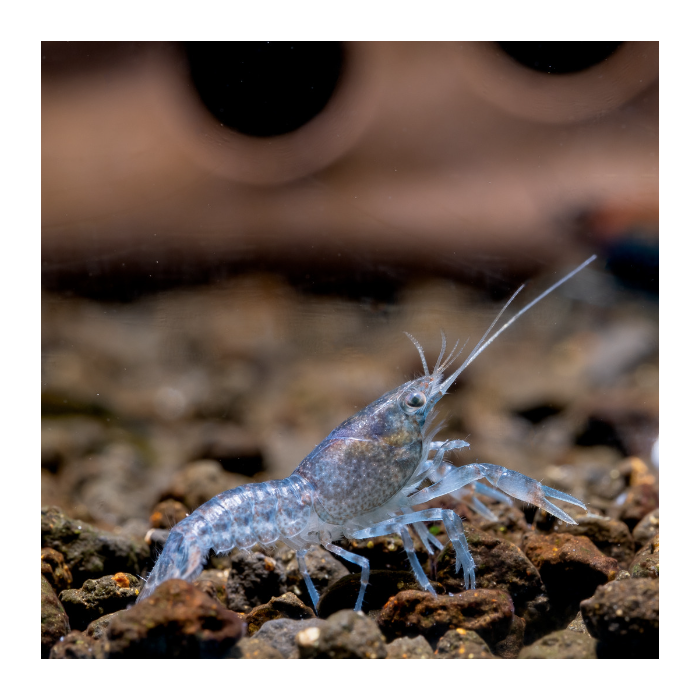
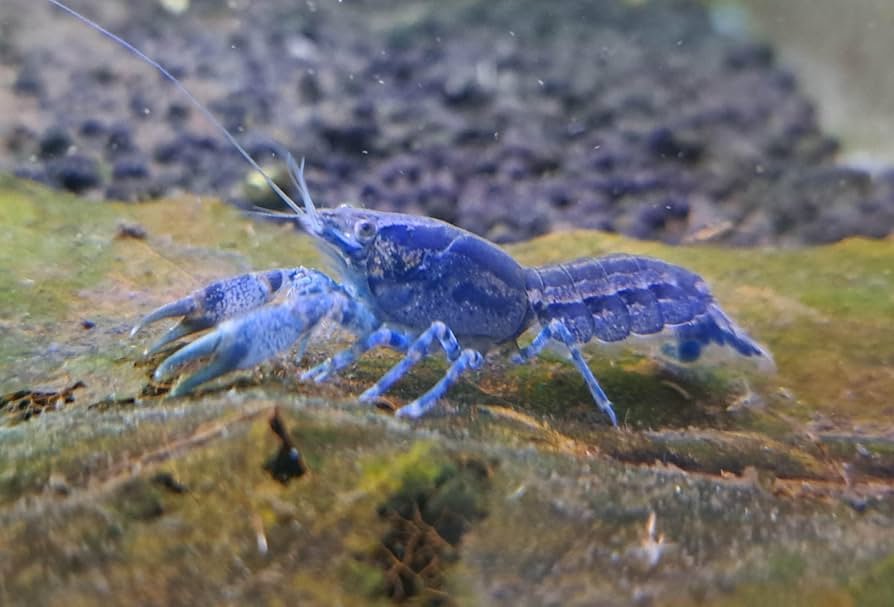
Dwarf Blue Mexican Crayfish (Cambarellus patzcuarensis sp. Blue)
📌 Basic Info
Scientific Name: Cambarellus patzcuarensis sp. “Blue”
Common Names: Dwarf Blue Crayfish, Blue CPO
Family: Cambaridae
Origin: Mexico (Lake Pátzcuaro region)
Size: 1.5 – 2 inches (4 – 5 cm)
Lifespan: 2 – 3 years
Tank Zone: Bottom dweller
🌊 Water Parameters
TDS: 150 – 250 ppm
pH: 6.5 – 7.8
Temperature: 20 – 26°C (68 – 79°F)
Hardness: 6 – 12 dGH
🦞 Characteristics
Striking bright blue coloration, sometimes with orange highlights.
Smallest crayfish species commonly kept in aquariums.
Much more peaceful than larger crayfish; less destructive to plants.
Active and curious, often seen walking around instead of hiding all the time.
Can regenerate lost limbs after molting.
🍽️ Food
Type: Omnivorous scavenger.
Diet: Sinking pellets, algae wafers, blanched vegetables (zucchini, spinach, cucumber), occasional protein foods (bloodworms, shrimp pellets).
Feeding Schedule: Once daily in small amounts; remove uneaten food to avoid fouling water.
🛠️ Tank Setup & Maintenance
Tank Size: Minimum 10 gallons (for 1–2 crayfish).
Filtration: Gentle but efficient; they prefer stable, clean water.
Decor: Provide hiding spots with caves, rocks, PVC pipes, and plants.
Substrate: Sand or fine gravel; they like to dig.
Water Changes: 20–25% weekly.
👥 Social Behavior
Generally peaceful for a crayfish species.
Can be kept singly or in small groups if enough hiding places are provided.
May occasionally nip slow or sleeping fish but usually safe with peaceful community tank mates.
✅ Do’s
Provide multiple caves/hiding spots, especially if keeping more than one.
Ensure tight lid – they can climb and escape.
Keep stable water conditions; sensitive to ammonia/nitrite.
❌ Don’ts
Don’t house with large aggressive fish (they may attack or eat the crayfish).
Don’t overcrowd – can lead to territorial fights.
Don’t keep in tanks with strong currents or poor oxygenation.
⭐ Quick Tips
A beautiful, hardy, and relatively peaceful dwarf crayfish perfect for nano and community aquariums.
Safer with live plants than larger crayfish.
Their bright blue color makes them a centerpiece in any small tank.