

Description
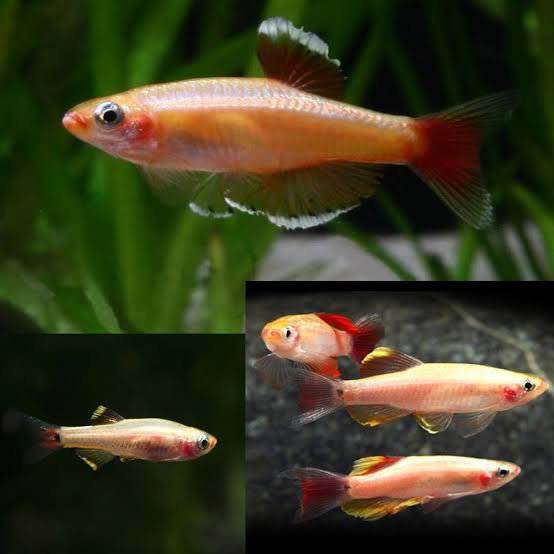
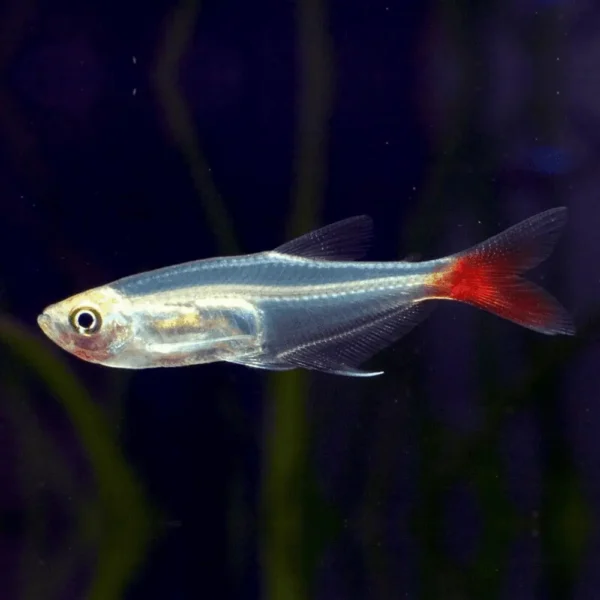
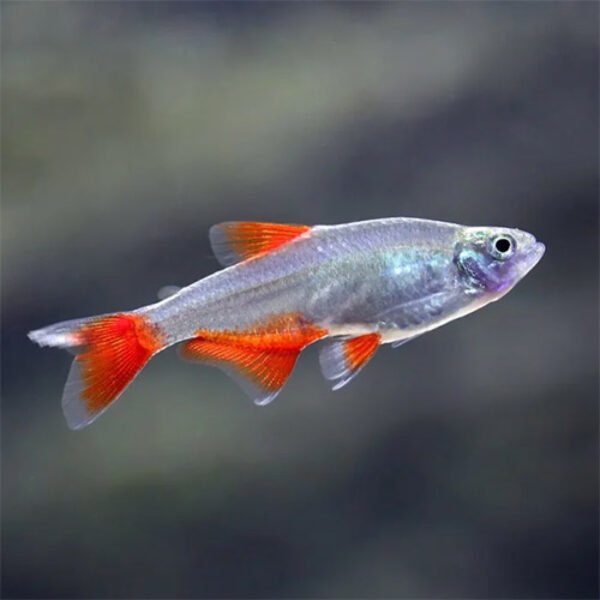
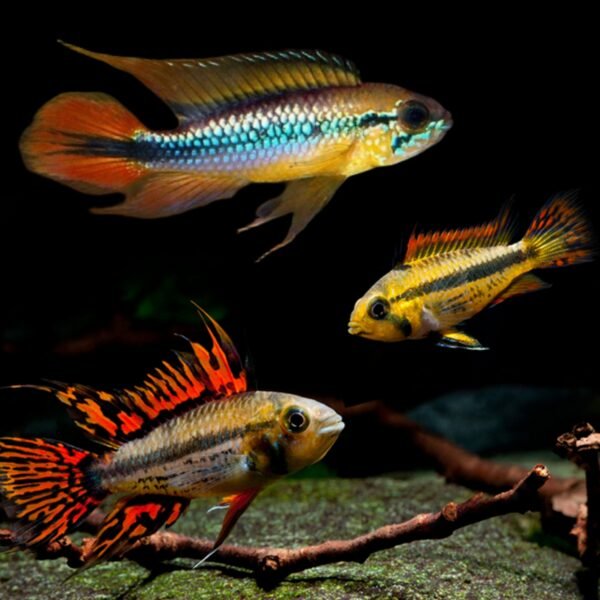
Apisto Yellow Tail (Apistogramma agassizii “Yellow Tail”)
📌 Basic Info
Scientific Name: Apistogramma agassizii
Common Names: Yellow Tail Apistogramma, Agassiz’s Dwarf Cichlid, Apisto Yellow
Family: Cichlidae (Dwarf Cichlids)
Order: Cichliformes
Origin: Amazon River Basin — Brazil, Peru, Colombia
Size: Males up to 3 inches (7.5 cm); females around 2 inches (5 cm)
Lifespan: 4 – 6 years
Tank Zone: Bottom to mid-water
🌊 Water Parameters
TDS: 50 – 150 ppm
pH: 5.5 – 7.0 (soft, slightly acidic water)
Temperature: 24 – 28°C (75 – 82°F)
Hardness: 2 – 8 dGH
🐟 Characteristics
Body: Slender and elongated with a pointed snout and long dorsal fin.
Coloration: Males display brilliant yellow tail and fins with iridescent blue or green body tones; females are golden-yellow, especially during breeding.
Behavior: Peaceful but territorial during spawning; intelligent and curious fish.
Unique Feature: Known for its distinct yellow tail variant — one of the most colorful and elegant Apistogramma agassizii morphs.
Nature: Pair-bonding species; males guard territories while females tend to eggs and fry.
🍽️ Food
Type: Omnivorous (micro-predator)
Diet: Live or frozen brine shrimp, daphnia, bloodworms, micro-pellets, and high-quality flakes.
Feeding Frequency: 2–3 small meals daily.
Tip: Provide live foods regularly to enhance color and breeding readiness.
🛠️ Maintenance
Tank Size: Minimum 20 gallons (75 L) for a pair; 40+ gallons for community setups.
Filtration: Gentle filtration with soft flow; use sponge filters to protect fry.
Decor: Sand substrate, driftwood, caves, and leaf litter for hiding and breeding.
Lighting: Moderate lighting; dimmed or shaded areas preferred.
Water Change: 20–30% weekly using soft, aged water.
👥 Social Behavior
Group Size: Best kept as a bonded pair or one male with 2–3 females (harem setup).
Tank Mates: Peaceful fish like small Tetras, Pencilfish, Corydoras, and Otocinclus.
Avoid: Large, aggressive, or fin-nipping species.
✅ Do’s
• Maintain soft, slightly acidic water.
• Provide multiple caves for females and territories for males.
• Feed varied high-protein foods for color and health.
• Keep stable, warm temperatures.
❌ Don’ts
• Don’t house multiple males in small tanks.
• Don’t keep with aggressive or large fish.
• Don’t neglect hiding spaces — stress leads to dull coloration.
⭐ Quick Tips
The Apisto Yellow Tail (Apistogramma agassizii “Yellow Tail”) is a vibrant and intelligent dwarf cichlid perfect for planted aquariums. Known for its bright yellow tail, peaceful nature, and complex breeding behavior, it adds both color and personality to any freshwater setup. Ideal for experienced aquarists who enjoy maintaining soft, natural Amazon-style tanks.