


Description
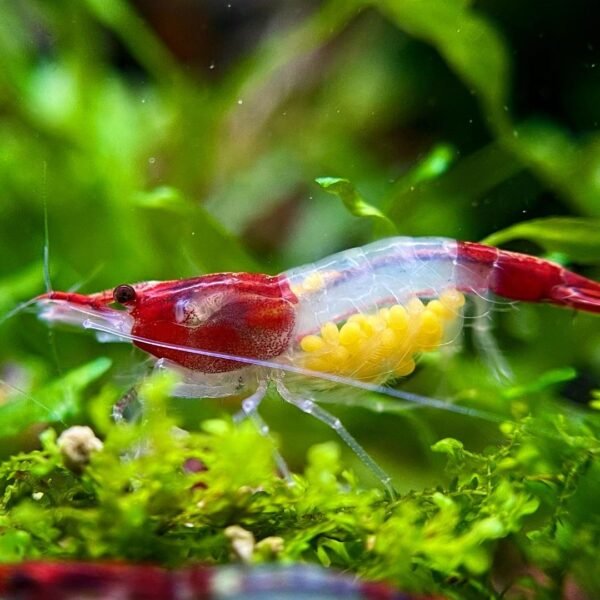
🌟 Golden Black Line Shrimp (Neocaridina davidi var. Golden Black Line)
📌 Basic Info
Scientific Name: Neocaridina davidi (Golden Black Line variant)
Common Name: Golden Back Line Shrimp / Golden Stripe Shrimp
Size: ~1 – 1.2 inches (2.5 – 3 cm)
Lifespan: 1.5 – 2 years
Tank Zone: Bottom to mid (grazing on plants, substrate, and decorations)
🌊 Water Parameters
TDS: 100 – 250 ppm
pH: 6.5 – 7.5
Temperature: 20°C – 26°C (68°F – 79°F)
Water Type: Freshwater (soft to moderately hard)
Hardness: GH 4–8, KH 3–6
🐟 Characteristics
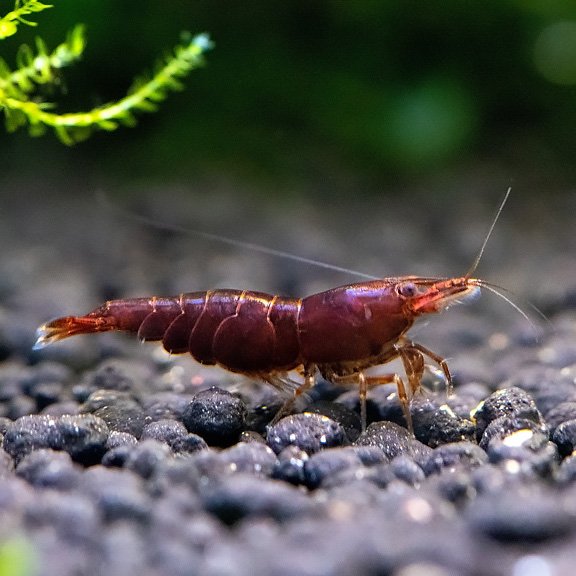
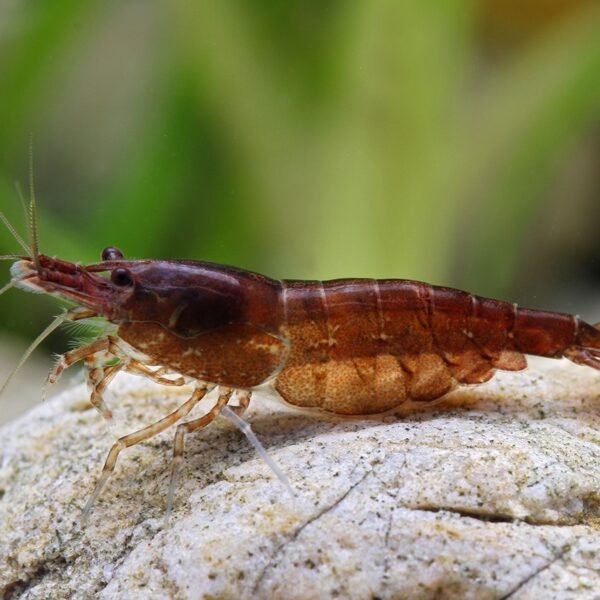
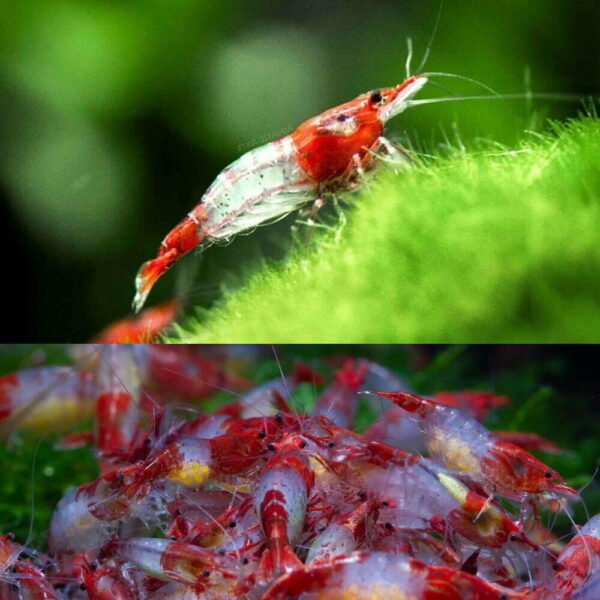
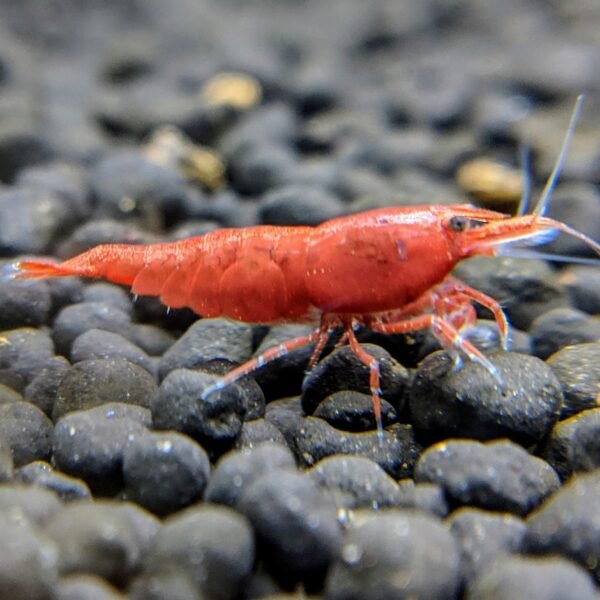
Clear to golden body with a distinct golden stripe/black line along the back.
Peaceful, small, hardy, and beginner-friendly.
Excellent algae and biofilm grazers – natural tank cleaners.
Females usually have a thicker golden stripe than males.
Easy to breed in stable tanks.
🍽️ Food
Type: Omnivorous scavenger.
Diet: Algae, biofilm, shrimp pellets, blanched vegetables (zucchini, spinach), spirulina.
Feeding Frequency: 3–4 times a week in very small portions.
🛠️ Maintenance
Weekly water change: 15–20% (always match temperature and TDS).
Use a sponge filter (safe for baby shrimp).
Provide plants, moss, driftwood, and hiding spots.
Avoid any copper-based medicine or fertilizer.
Stable parameters are more important than “perfect” numbers.
👥 Social Behavior
Minimum Group Size: 10+ (they thrive in colonies).
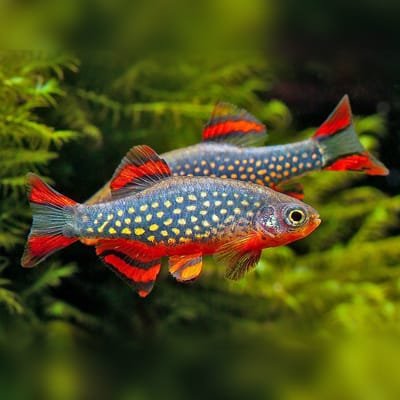
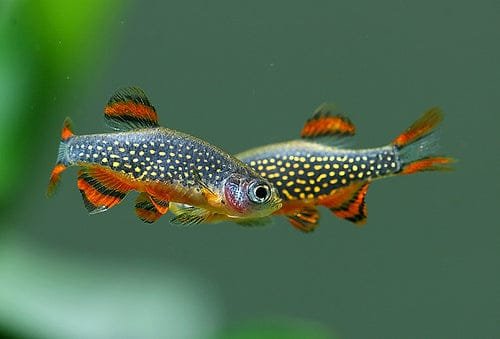
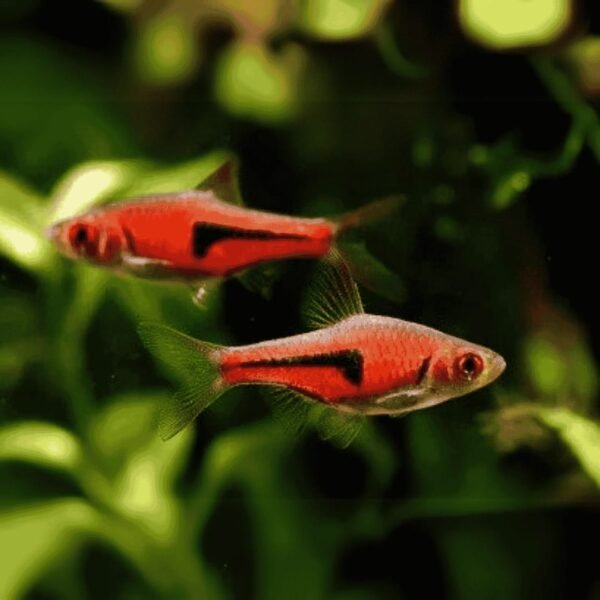
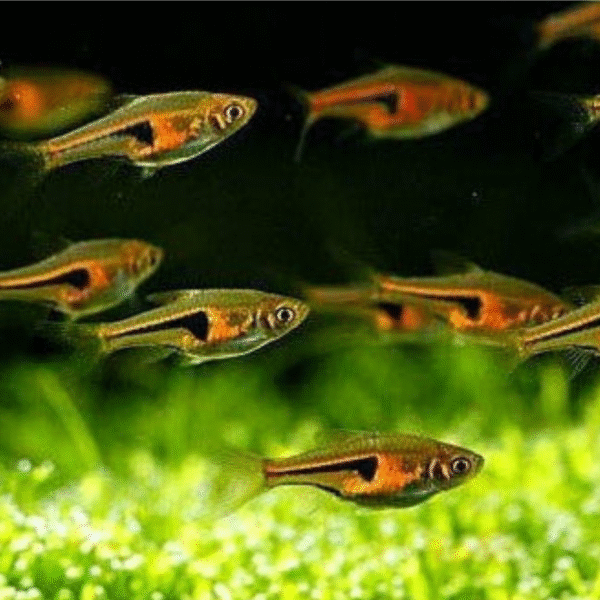
Tank Mates: Peaceful fish – rasboras, ember tetras, endlers, guppies, otocinclus, snails.
Avoid: Large/aggressive fish (bettas, cichlids, barbs, goldfish).
✅ Do’s
Keep them in well-planted tanks with moss and hiding spots.
Acclimate slowly (drip method preferred).
Provide calcium/minerals for healthy molting.
Keep in colonies for natural breeding and activity.
❌ Don’ts
Don’t keep with predatory or aggressive fish.
Don’t overfeed (causes pollution).
Don’t use copper-based products.
Don’t keep in unstable or uncycled tanks.
⭐ Quick Tips
Known for their beautiful golden dorsal line, making them stand out in planted tanks.
Hardy, active, and beginner-friendly.
Great algae cleaners and easy to breed in stable conditions.