
![(AC) INTAN – HERBIVORE WAFERS [Small] (Sinking Wafers) [Loose Pack]](https://snkaquapets.com/wp-content/uploads/2025/08/IMG-20250903-WA0099-600x600.jpg)
Description
Asiatic Loach
📌 Basic Info
-
Scientific Name: Myxocyprinus asiaticus
-
Common Names: Asiatic Loach, Chinese Highfin Loach, Dragon Loach, Bighead Carp Loach
-
Family: Catostomidae (Sucker/Loach Family)
-
Order: Cypriniformes
-
Origin: China — Yangtze River and its tributaries
-
Size: Up to 36 inches (90 cm) in the wild; typically 24–30 inches (60–75 cm) in captivity
-
Lifespan: 20 – 25 years
-
Tank Zone: Bottom dweller
🌊 Water Parameters
-
TDS: 100 – 300 ppm
-
pH: 6.5 – 7.5
-
Temperature: 20 – 26°C (68 – 79°F)
-
Hardness: 5 – 20 dGH
🐟 Characteristics
-
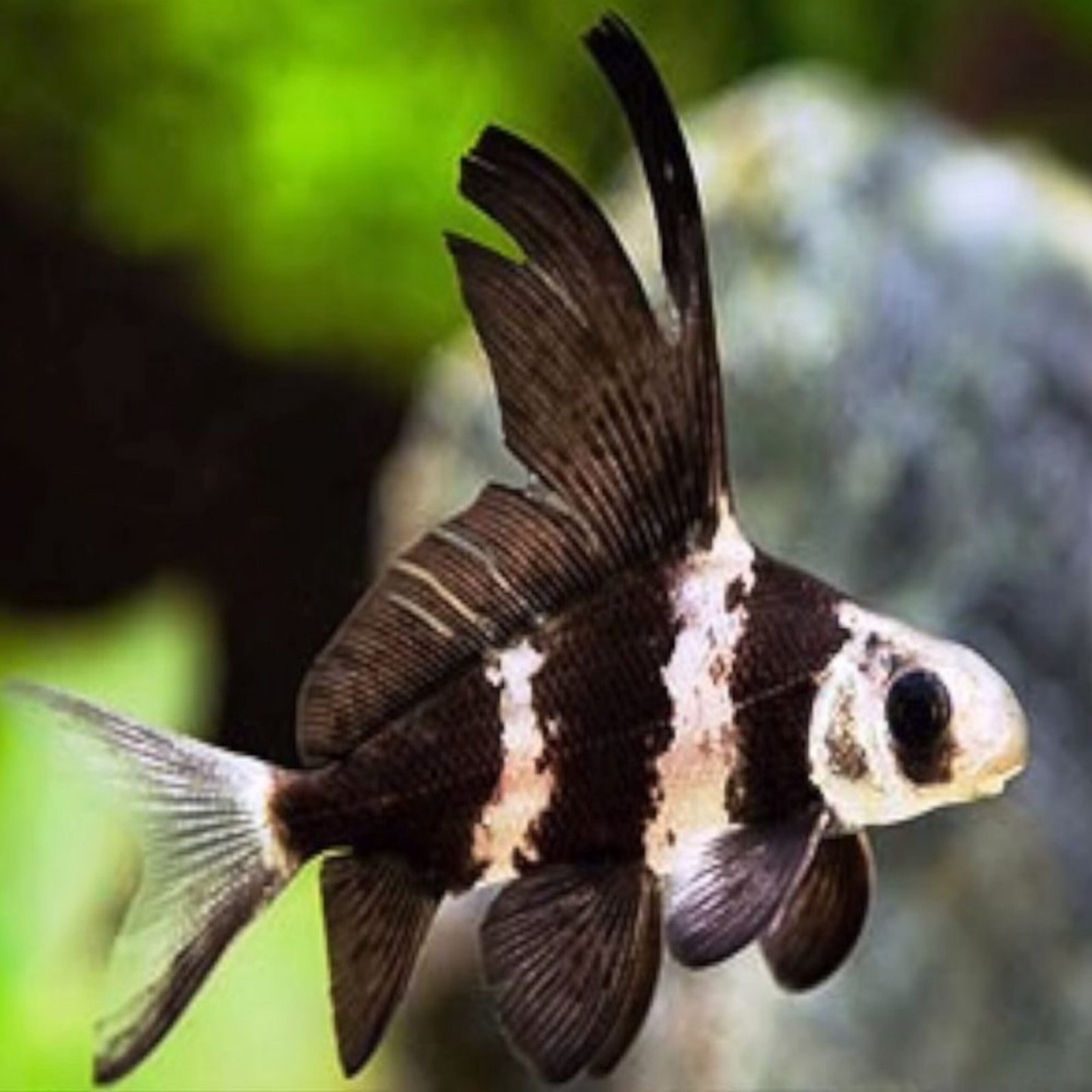
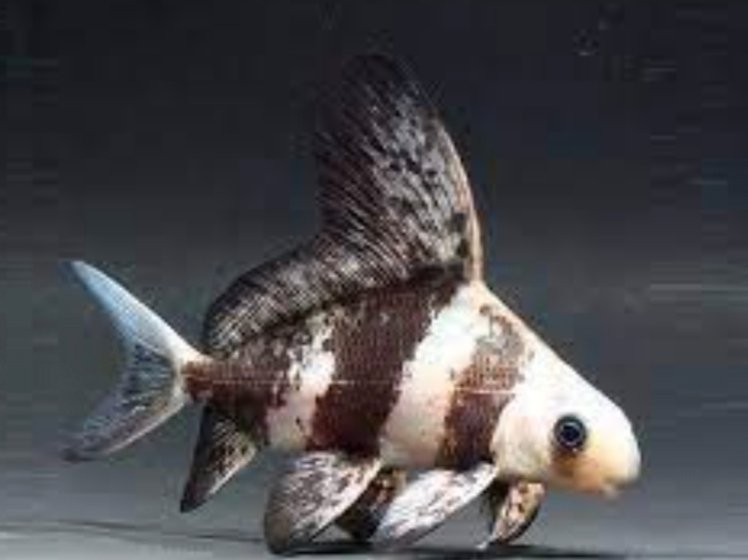
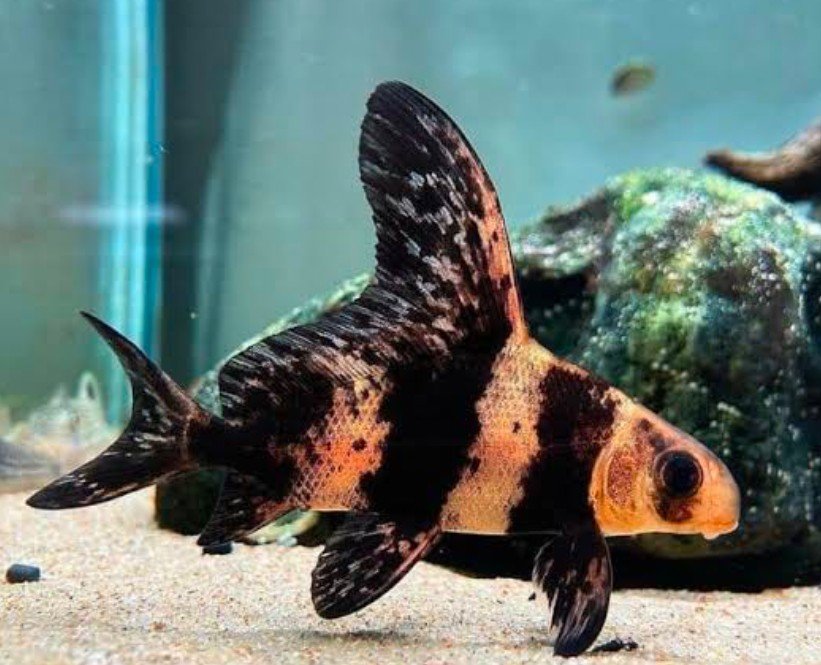
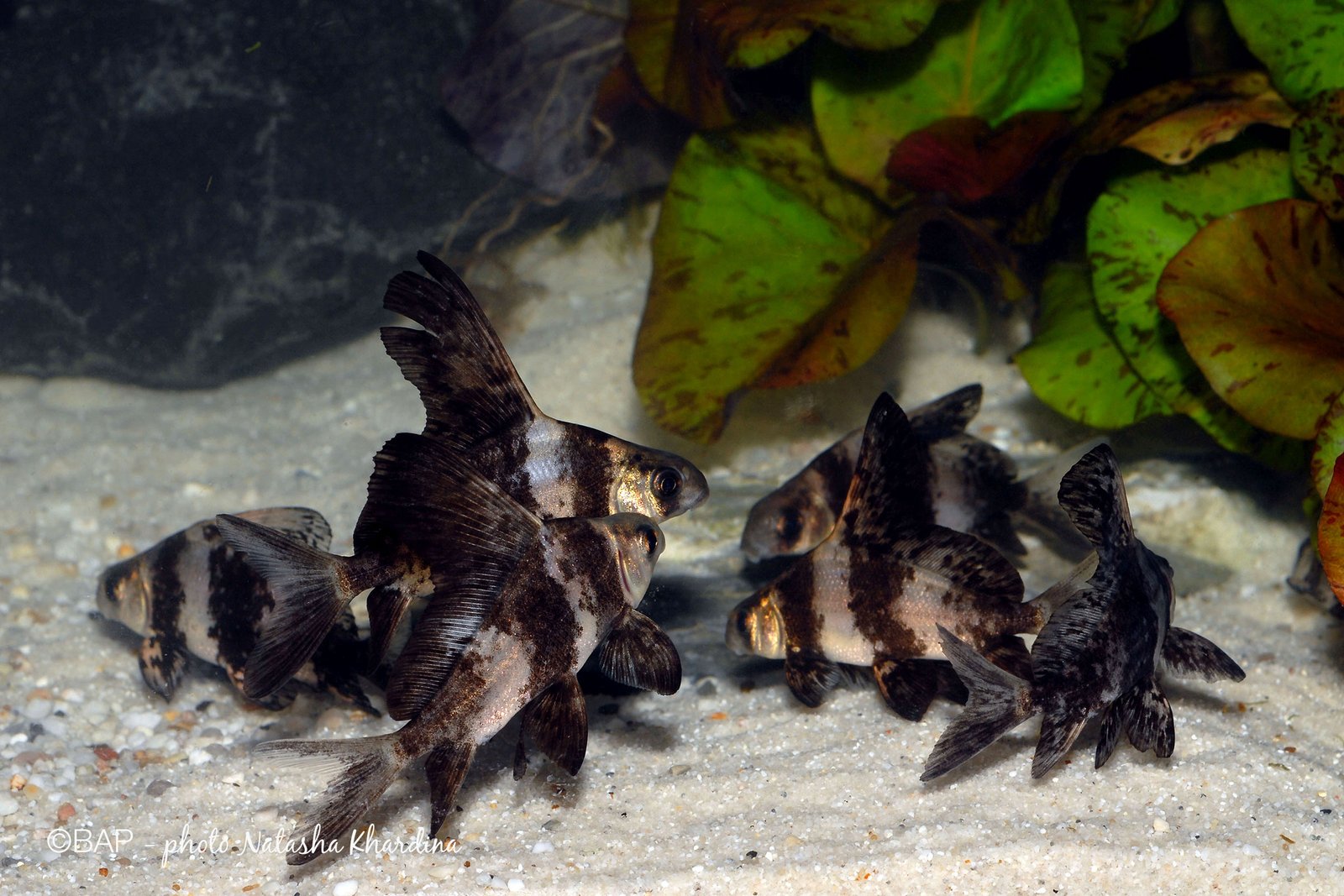
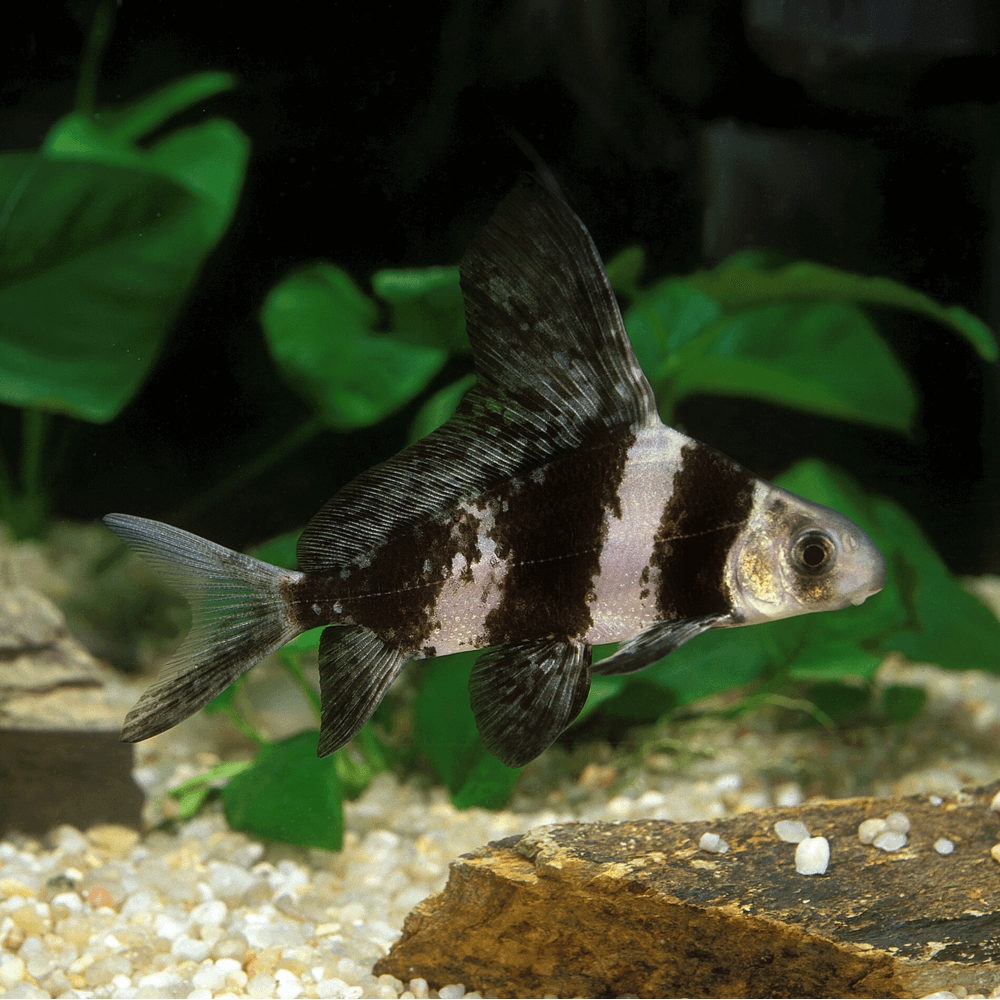
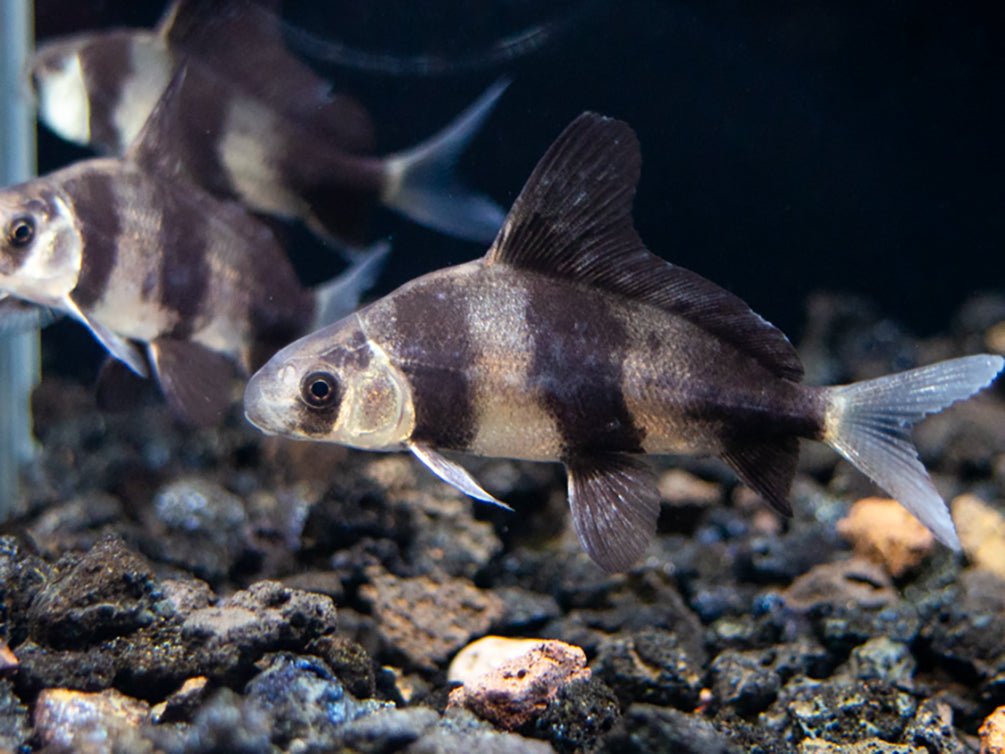
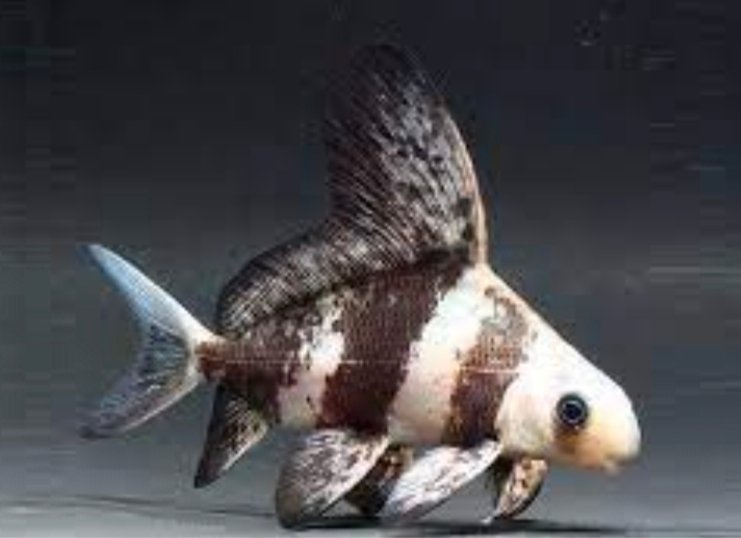
Body: Large, elongated, and slightly compressed body with prominent barbels around the mouth.
-
Coloration: Dark brown or gray body with darker stripes and mottled pattern along its length; juveniles have more prominent markings.
-
Fins: High dorsal fin; long anal and caudal fins; strong pectoral fins for digging.
-
Behavior: Semi-aggressive; territorial with smaller bottom-dwelling fish.
-
Nature: Mostly nocturnal; active at night, resting during the day.
-
Special Feature: Capable of producing audible sounds when handled; excellent algae and detritus eater.
🍽️ Food
-
Type: Omnivorous
-
Diet: Sinking pellets, live/frozen foods (bloodworms, shrimp, tubifex), vegetables like zucchini or spinach.
-
Feeding Frequency: Once or twice daily.
-
Tip: Offer protein-rich foods to enhance growth and maintain health.
🛠️ Maintenance
-
Tank Size: Minimum 500 liters (130 gallons) for a single adult due to large size.
-
Filtration: Strong filtration with high oxygenation; produces moderate to heavy waste.
-
Substrate: Sand or smooth gravel; avoids sharp decorations to protect barbels.
-
Decor: Driftwood, rocks, and caves for hiding.
-
Lighting: Low to moderate; prefers shaded environments.
-
Water Change: 25–30% weekly to maintain cleanliness and water quality.
👥 Social Behavior
-
Group Size: Can be kept singly or in small groups; ensure enough space for each fish.
-
Tank Mates: Peaceful large fish like arowanas, large cichlids, and catfish.
-
Avoid: Very small fish; may view them as prey.
-
Compatibility Note: Territorial toward similar-sized bottom dwellers.
✅ Do’s
-
Provide ample hiding spaces with rocks and driftwood.
-
Keep water clean with strong filtration.
-
Offer a balanced diet including protein and vegetables.
-
Monitor behavior when kept with other large bottom dwellers.
❌ Don’ts
-
Don’t keep in small tanks; they grow very large.
-
Don’t house with very small or delicate fish.
-
Don’t use sharp or rough decor that could injure barbels or fins.
⭐ Quick Tips
The Asiatic Loach is a majestic, long-lived bottom-dwelling fish suitable for large aquariums. Its unique appearance, nocturnal behavior, and excellent algae-eating habits make it a fascinating addition for experienced aquarists prepared to accommodate its size and activity.