


Description
Mystery Snail (Pomacea bridgesii)
📌 Basic Info
-
Scientific Name: Pomacea bridgesii
-
Family: Ampullariidae
-
Origin: South America (Amazon Basin)
-
Size: 2 – 2.5 inches (5 – 6 cm)
-
Lifespan: 1 – 3 years
-
Tank Zone: Bottom & mid-level (often climb glass and decorations)
🌊 Water Parameters
-
TDS: 150 – 250 ppm
-
pH: 7.0 – 8.0 (slightly alkaline preferred)
-
Temperature: 20 – 28°C (68 – 82°F)
-
Hardness: 6 – 15 dGH (needs calcium for shell health)
🐌 Characteristics
-
Peaceful freshwater snail available in many colors (gold, blue, ivory, purple, etc.).
-
Large, rounded shell and long antennae.
-
Very active compared to other snails – often seen exploring or climbing.
-
Need access to air – they have a “siphon” tube to breathe at the surface.
-
Do not breed out of control like pest snails – they lay eggs above waterline.
🍽️ Food
-
Type: Omnivorous with plant preference.
-
Diet: Algae, leftover fish food, algae wafers, blanched veggies (zucchini, spinach, cucumber), calcium-rich foods.
-
Feeding: Supplement with veggies and wafers if algae is limited.
🛠️ Maintenance
-
Tank Size: Minimum 10 gallons (per snail).
-
Filtration: Gentle filter, stable water.
-
Decor: Plants, driftwood, rocks; avoid sharp decorations that can crack shells.
-
Water Change: 20–30% weekly; keep water clean to avoid shell erosion.
👥 Social Behavior
-
Minimum Group Size: Can be kept alone or in groups (peaceful).
-
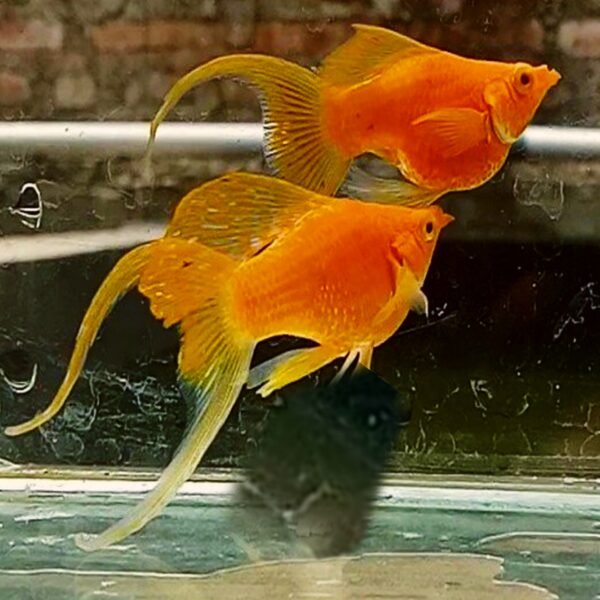
Tank Mates: Guppies, Tetras, Corydoras, Mollies, Shrimp, peaceful fish.
-
Avoid: Loaches, Pufferfish, or Assassin Snails (they may eat them).
✅ Do’s
-
Provide calcium for healthy shell growth (cuttlebone, calcium foods).
-
Keep water line 2–3 inches below the top if you want them to lay eggs.
-
Feed extra food if the tank is low in algae.
❌ Don’ts
-
Don’t keep with aggressive or snail-eating fish.
-
Don’t let shells crack from sharp decor.
-
Don’t expose them to copper-based medications (toxic).
⭐ Quick Tips
-
Colorful, peaceful, and beginner-friendly snail.
-
Helps with cleaning algae and leftover food.
-
Fun to watch – very active compared to most snails.