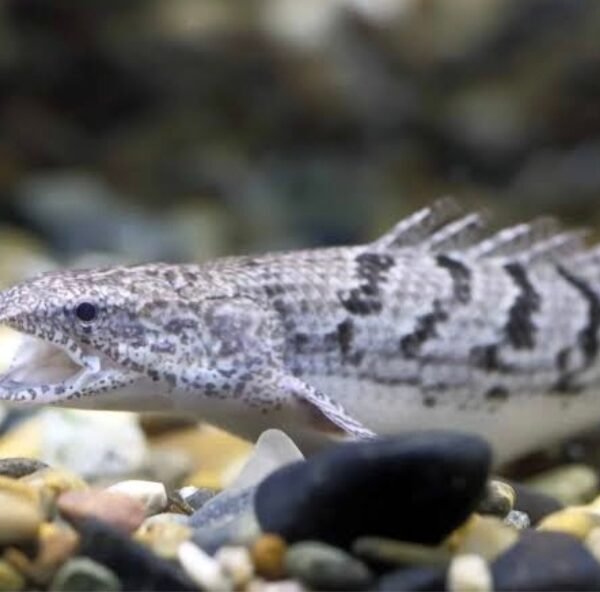
![(DD) Delhezi Bichir (Polypterus delhezi) [≈ 3 inches]](https://snkaquapets.com/wp-content/uploads/2025/08/Picsart_25-08-26_13-34-59-081-600x600.jpg)
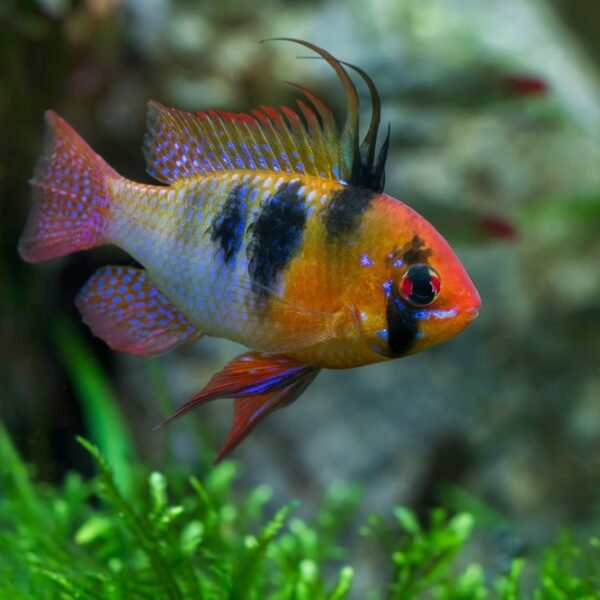
![(F91) German Blue Ram Cichlid [80rs]](https://snkaquapets.com/wp-content/uploads/2025/08/RamCichlidGermanBlueImported_5-6cms_Pair-1-600x600.jpg)

Description
🐟 Peacock Bass (Monoculus)
📌 Basic Info
-
Scientific Name: Cichla monoculus
-
Family: Cichlidae
-
Origin: Amazon River Basin (South America)
-
Size: 20 – 24 inches (50 – 60 cm)
-
Lifespan: 10 – 12 years
-
Tank Zone: Mid to Top
🌊 Water Parameters
-
TDS: 100 – 200 ppm
-
pH: 6.0 – 7.5 (slightly acidic to neutral)
-
Temperature: 25 – 30°C (77 – 86°F)
-
Hardness: 4 – 10 dGH
🐟 Characteristics
-
Known as the most common Peacock Bass species.
-
Bright greenish-yellow body with three dark vertical bars.
-
Strong predator, fast swimmer, very active.
-
Aggressive feeder and territorial at times.
🍽️ Food
-
Type: Carnivorous
-
Diet: Live feeder fish, prawns, earthworms, crickets, frozen shrimp, and high-protein pellets.
-
Feeding: Once or twice daily – feed only what they eat in minutes.
🛠️ Maintenance
-
Tank Size: Minimum 300 gallons (larger tanks or indoor ponds are ideal).
-
Filtration: Strong external/canister filter with high oxygen levels.
-
Decor: Open swimming space with driftwood and rocks for hiding.
-
Water Change: 30–40% weekly.
👥 Social Behavior
-
Minimum Group Size: Best kept single or in pairs (groups need huge space).
-
Tank Mates: Other large, strong fish – Oscars, Arowanas, Pacu, Large Catfish, Giant Gourami.
-
Avoid: Small fish (they will be eaten), slow/peaceful fish.
✅ Do’s
-
Provide very large tanks or ponds.
-
Maintain strong filtration and aeration.
-
Give protein-rich foods.
-
Use a secure lid – they can jump.
❌ Don’ts
-
Don’t overcrowd the tank.
-
Don’t keep with small or delicate fish.
-
Don’t keep in small aquariums (they grow very fast).
-
Don’t ignore water quality – they are sensitive.
⭐ Quick Tips
-
Peacock Bass (Monoculus) is a giant predator cichlid loved for its power and beauty.
-
Needs expert care, huge space, and high-protein food.
-
Best suited for advanced aquarists with very large aquariums or ponds