


Description
Peacock Eel (Macrognathus siamensis)
📌 Basic Info
Scientific Name: Macrognathus siamensis
Common Names: Peacock Eel, Spot-Finned Spiny Eel, Siamese Spiny Eel
Family: Mastacembelidae (Spiny Eels)
Origin: Southeast Asia (Thailand, Laos, Cambodia, Vietnam)
Size: 8 – 12 inches (20 – 30 cm)
Lifespan: 8 – 12 years in captivity
Tank Zone: Bottom dwellers; often burrow in substrate
🌊 Water Parameters
TDS: 120 – 250 ppm
pH: 6.0 – 7.5
Temperature: 24 – 28°C (75 – 82°F)
Hardness: 5 – 15 dGH
🐟 Characteristics
Slender, elongated eel-like body with yellowish-brown base color.
Distinct eye-like peacock spots near the tail fin and along the dorsal fin.
Shy and nocturnal by nature, spending much time burrowed in sand.
Peaceful and generally non-aggressive, though may eat very small fish.
Possess sharp spines near the dorsal area – handle with care.
🍽️ Food
Type: Carnivorous.
Diet: Live/frozen foods – bloodworms, tubifex, blackworms, small shrimp, chopped earthworms. Rarely accept flakes or pellets unless trained.
Feeding Schedule: Once daily in the evening (they are more active at night).
🛠️ Tank Setup & Maintenance
Tank Size: Minimum 30 gallons for a single specimen; larger for groups.
Substrate: Fine sand or smooth gravel (they burrow and can injure themselves on sharp substrates).
Decor: Caves, driftwood, PVC pipes, and dense plants for hiding.
Lighting: Dim lighting preferred; floating plants help.
Filtration: Gentle to moderate flow, well-oxygenated water.
Water Change: 25–30% weekly; sensitive to poor water quality.
Lid: Tight-fitting lid required – expert escape artists.
👥 Social Behavior
Peaceful with most tank mates.
Best kept with medium-sized, calm fish (Gouramis, Barbs, Rainbowfish, Corydoras, Loaches).
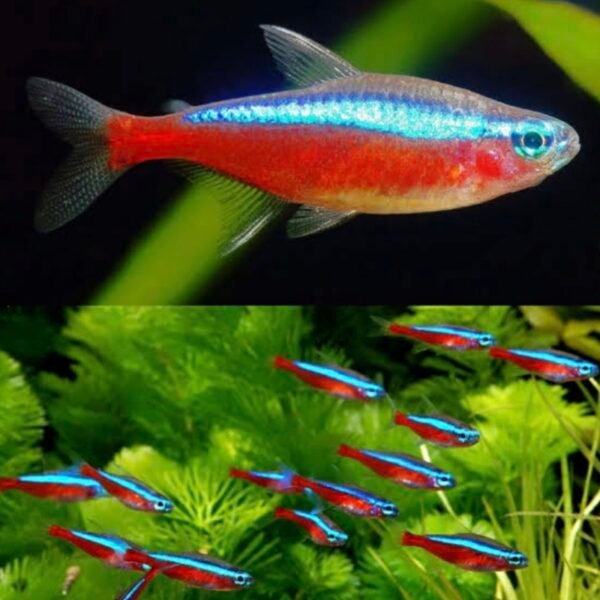
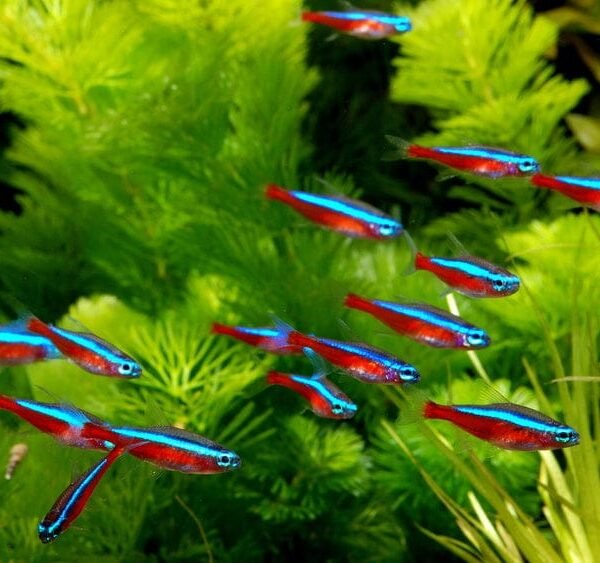
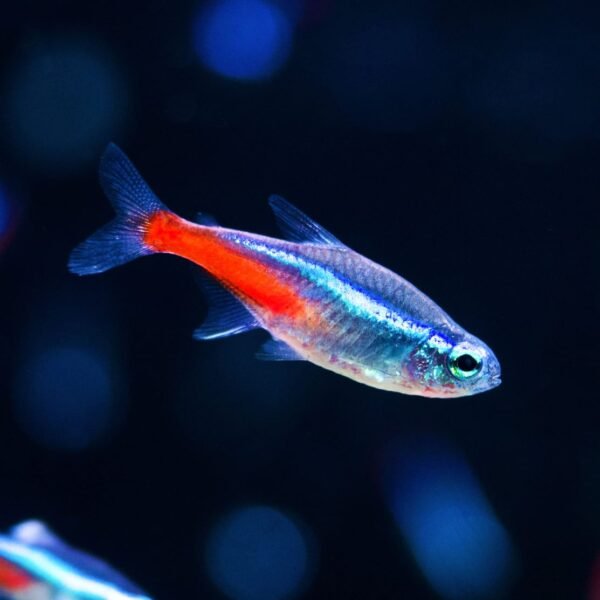
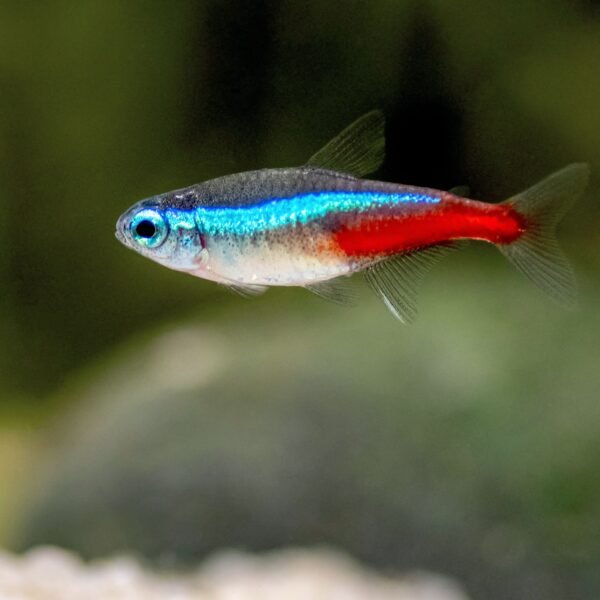
Avoid housing with aggressive cichlids or very small fish (like Neon Tetras) which may be eaten.
Can be kept singly or in small groups if enough hiding spots are provided.
✅ Do’s
Provide soft sand for burrowing.
Keep a secure lid to prevent escapes.
Feed a protein-rich diet for good health.
❌ Don’ts
Don’t keep with very aggressive tank mates.
Don’t use sharp gravel or rough decorations.
Don’t rely on dry foods alone – they often refuse flakes/pellets.
⭐ Quick Tips
Fascinating, unusual aquarium fish that adds personality and activity at night.
Hardy but requires special care due to its burrowing habits.
Best for intermediate aquarists who can provide the right setup.