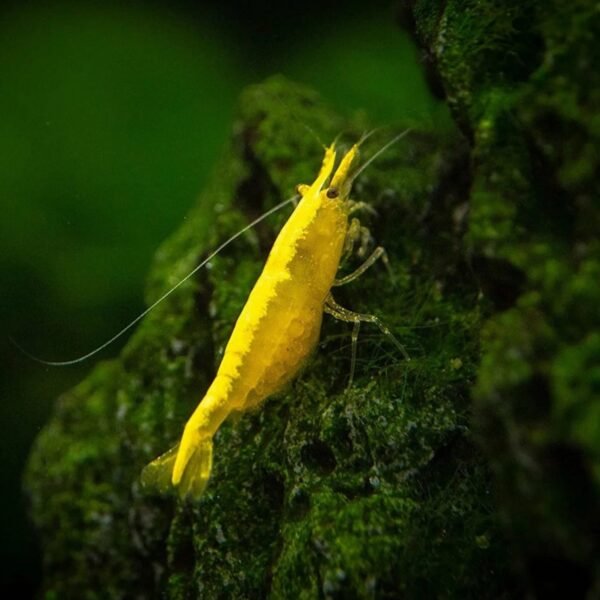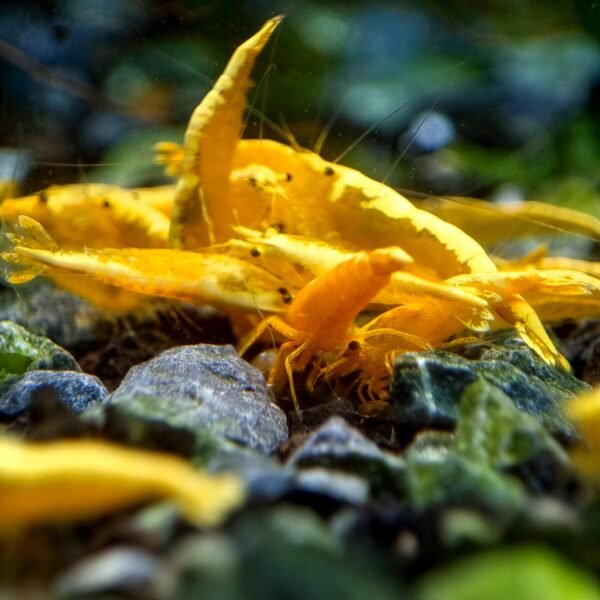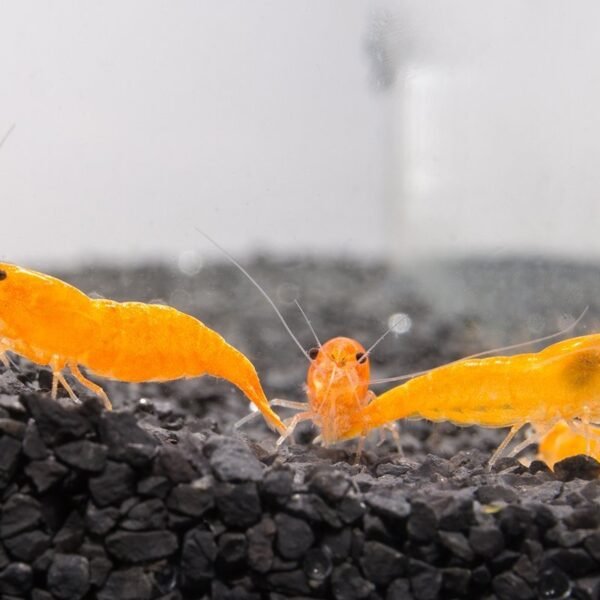
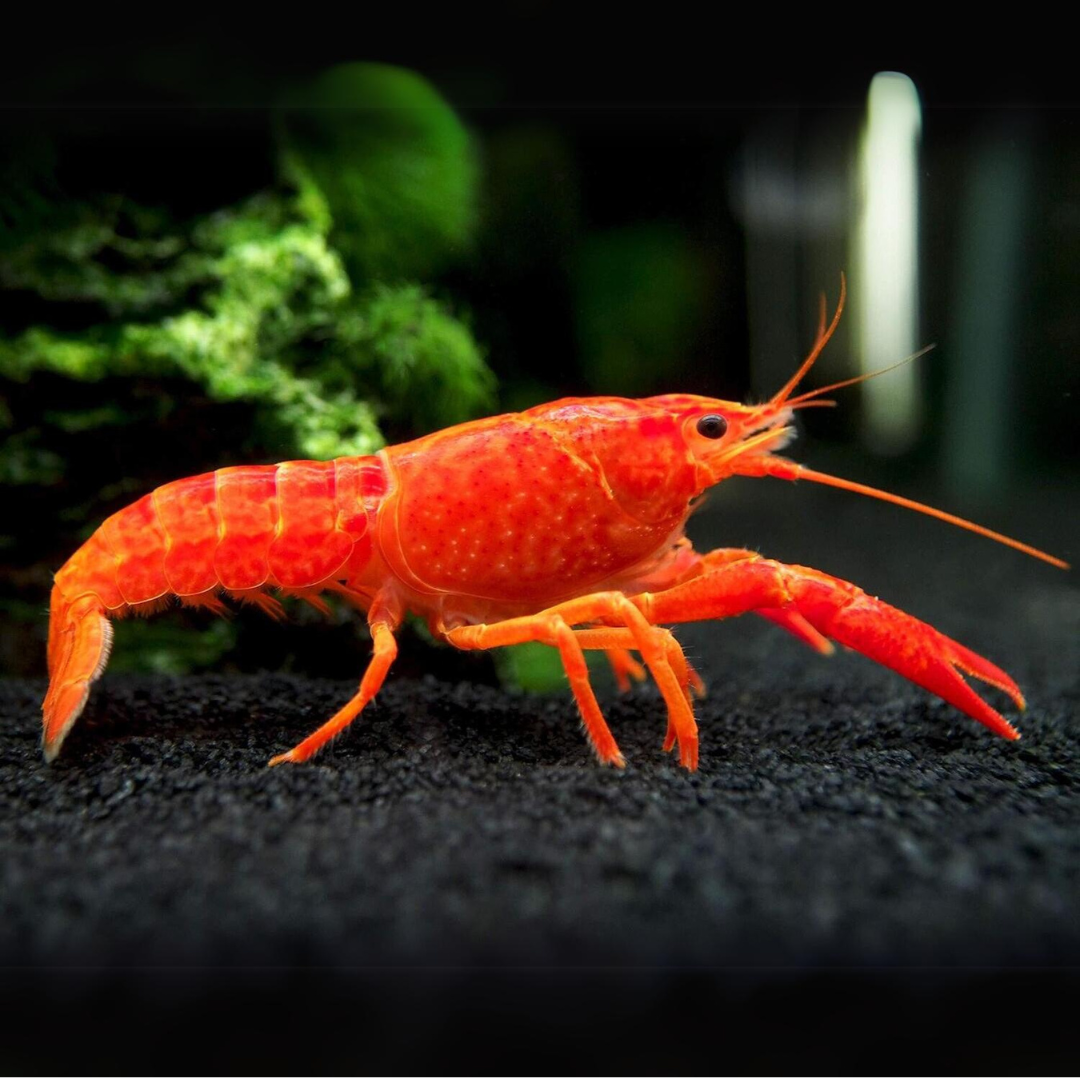
![(UAA) Dwarf Orange Mexican Crayfish (Cambarellus patzcuarensis sp. Orange – CPO) [≈ 2cm]](https://snkaquapets.com/wp-content/uploads/2025/09/Picsart_25-10-12_23-50-55-817-600x600.jpg)

Description
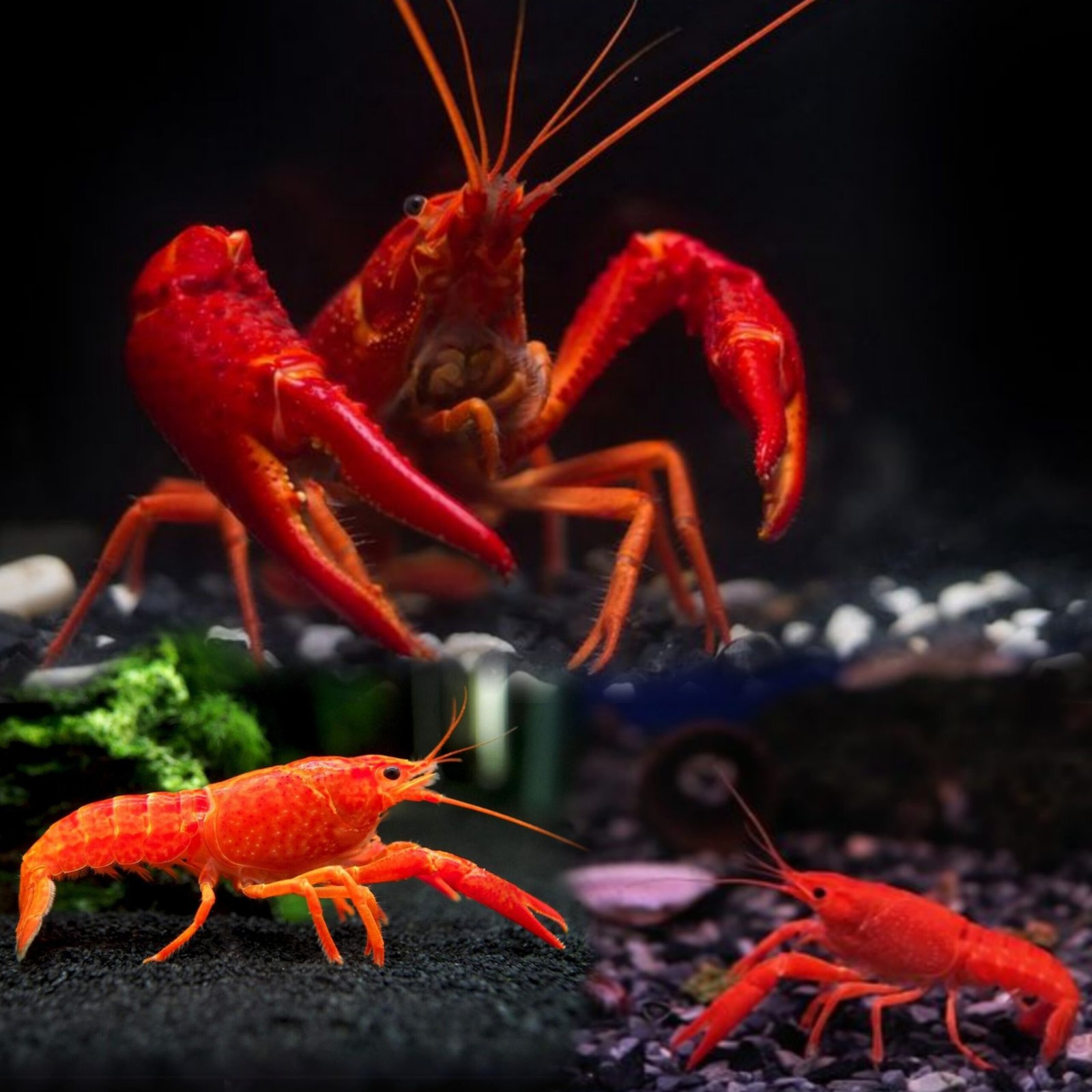
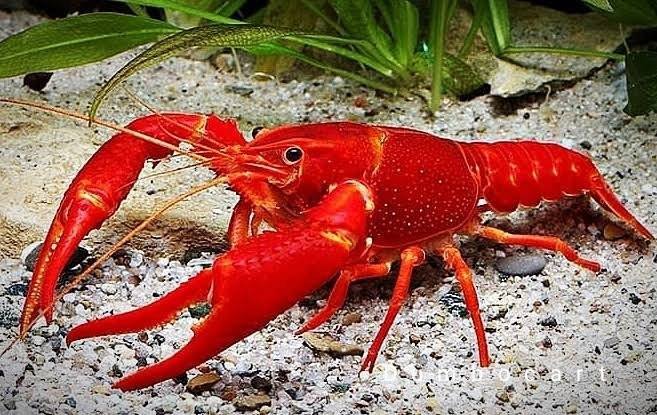
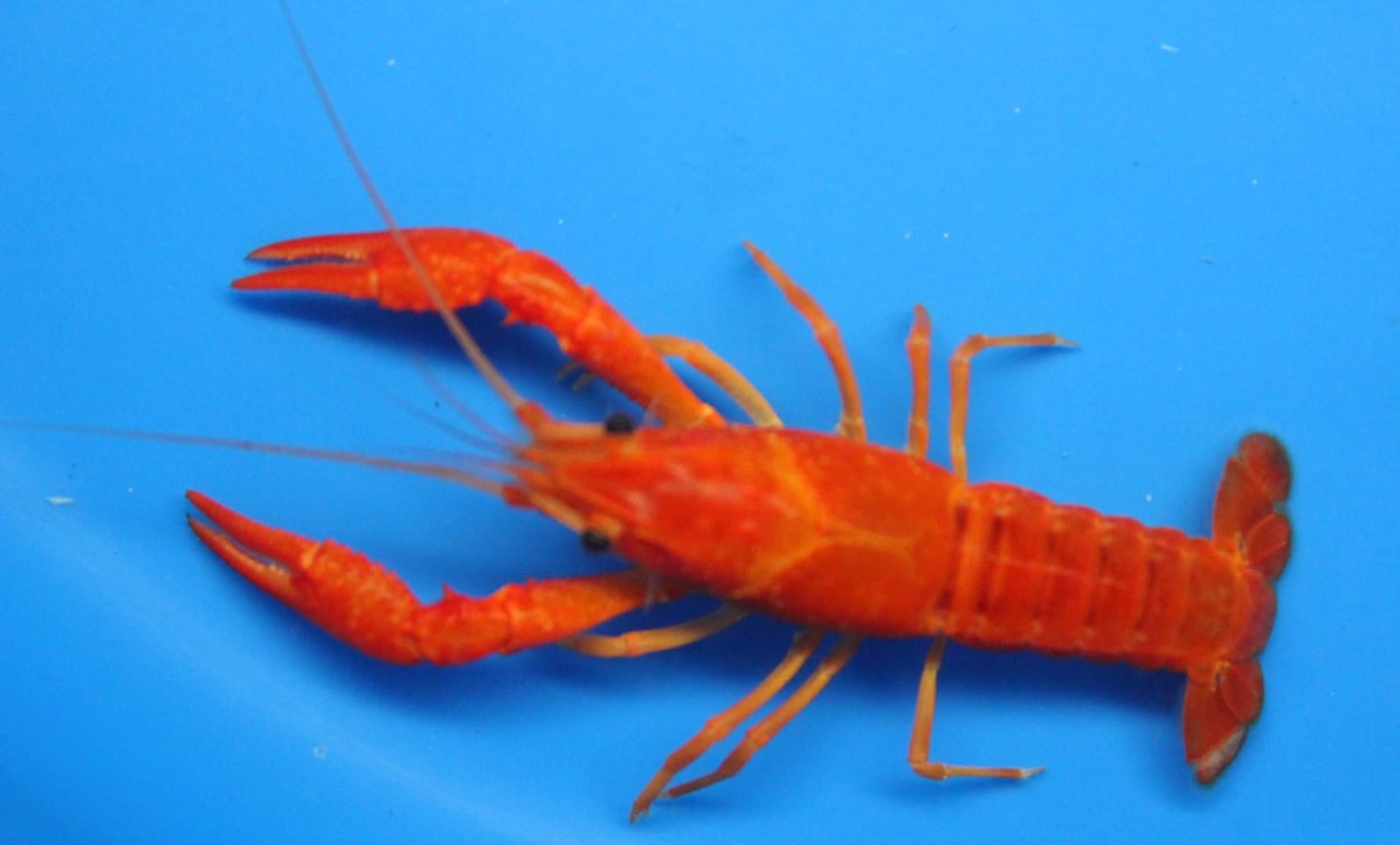
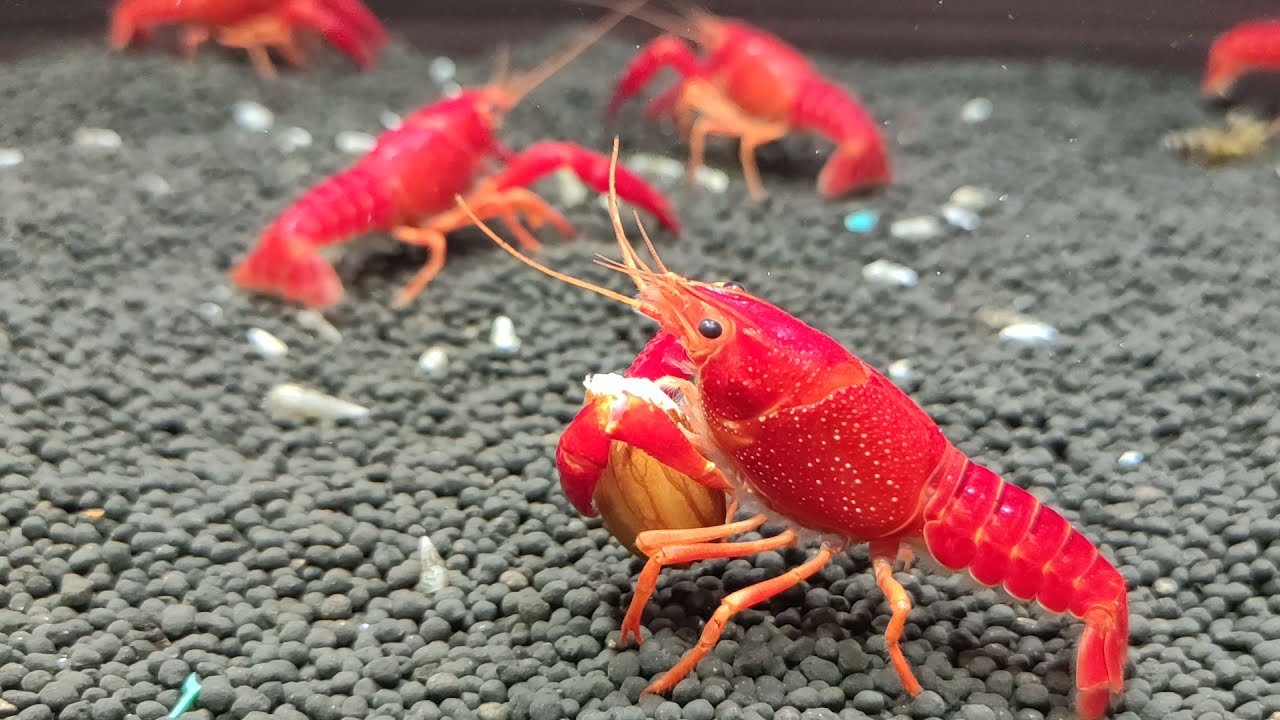
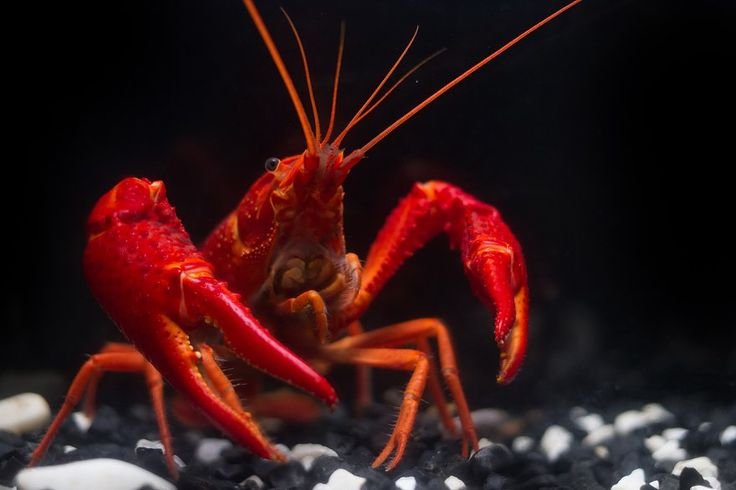
Red Crayfish (Procambarus clarkii)
📌 Basic Info
Scientific Name: Procambarus clarkii
Common Names: Red Crayfish, Red Swamp Crayfish, Louisiana Crayfish
Family: Cambaridae
Origin: Southern United States & Mexico (now found worldwide)
Size: 4 – 6 inches (10 – 15 cm)
Lifespan: 3 – 5 years (sometimes longer in captivity)
Tank Zone: Bottom dweller
🌊 Water Parameters
TDS: 150 – 300 ppm
pH: 6.5 – 8.0
Temperature: 18 – 26°C (64 – 79°F)
Hardness: 6 – 15 dGH
🦞 Characteristics
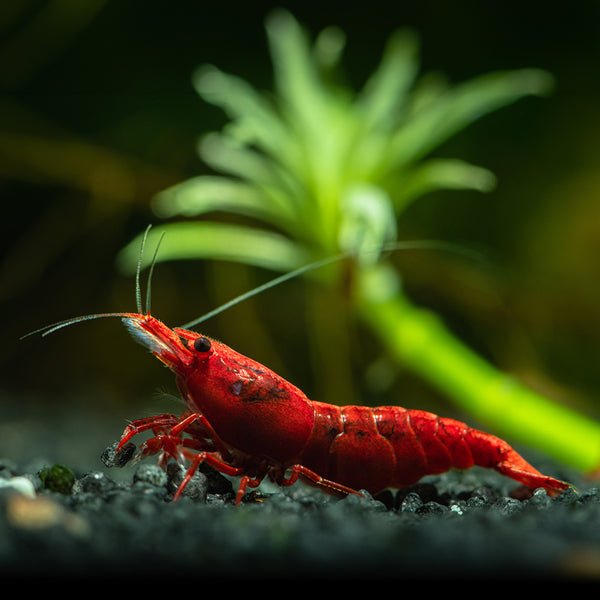
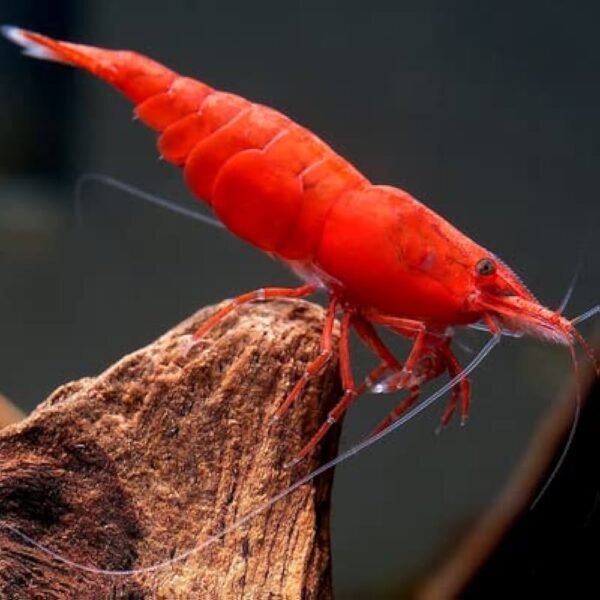
Deep red body with strong, spiny claws.
Hardy, adaptable, and one of the most invasive crayfish species.
Very active diggers and escape artists (tank lid is a must).
Can be aggressive and territorial, especially during molting.
Will rearrange the aquarium and may eat plants.
🍽️ Food
Type: Omnivorous scavenger.
Diet: Sinking pellets, algae wafers, fish food, blanched vegetables (zucchini, spinach, peas), protein-rich foods (shrimp, worms, snails).
Feeding Schedule: Once daily; remove uneaten food.
🛠️ Tank Setup & Maintenance
Tank Size: Minimum 30 gallons for one adult (they need space).
Filtration: Strong, efficient filter; crayfish are messy.
Decor: Provide caves, driftwood, and rocks for shelter.
Substrate: Sand or gravel – they dig burrows.
Water Changes: 25–30% weekly.
👥 Social Behavior
Aggressive and territorial; best kept alone.
May attack or eat tank mates, especially slow fish or bottom dwellers.
If keeping multiple, use a large tank with plenty of hiding spaces.
✅ Do’s
Use a secure lid – they climb and escape easily.
Provide hiding spots for molting safety.
Feed a varied diet to keep their color bright and healthy.
❌ Don’ts
Don’t keep with small or slow-moving fish (they will be hunted).
Don’t overcrowd – fights will occur.
Avoid live plants (they will dig them up or eat them).
⭐ Quick Tips
Hardy, colorful, and fascinating to watch.
Better suited for a species-only tank or with fast, upper-level fish.
Great choice for crayfish enthusiasts, but not ideal for planted or peaceful community tanks.