


Description
🐟 Red Devil Cichlid
📌 Basic Info
-
Scientific Name: Amphilophus labiatus
-
Family: Cichlidae
-
Origin: Central America (Nicaragua, Honduras)
-
Size: 12 – 15 inches (30 – 38 cm)
-
Lifespan: 10 – 12 years
-
Tank Zone: Mid to Bottom
🌊 Water Parameters
-
TDS: 150 – 250 ppm
-
pH: 6.5 – 7.5
-
Temperature: 24 – 28°C (75 – 82°F)
-
Hardness: 6 – 12 dGH
🐟 Characteristics
-
Fiery red, orange, or yellow body with strong build.
-
Known for huge lips and nuchal hump (especially males).
-
Very territorial and aggressive, true “tank boss” fish.
-
Intelligent – can recognize their owner and show personality.
-
Strong jaws – may damage decorations and bite during cleaning.
🍽️ Food
-
Type: Omnivorous (with carnivorous preference)
-
Diet: High-quality cichlid pellets, earthworms, crickets, shrimp, bloodworms, vegetables (peas, spinach).
-
Feeding: 2 times daily, avoid overfeeding.
🛠️ Maintenance
-
Tank Size: Minimum 75 gallons (single), 100+ gallons for pair.
-
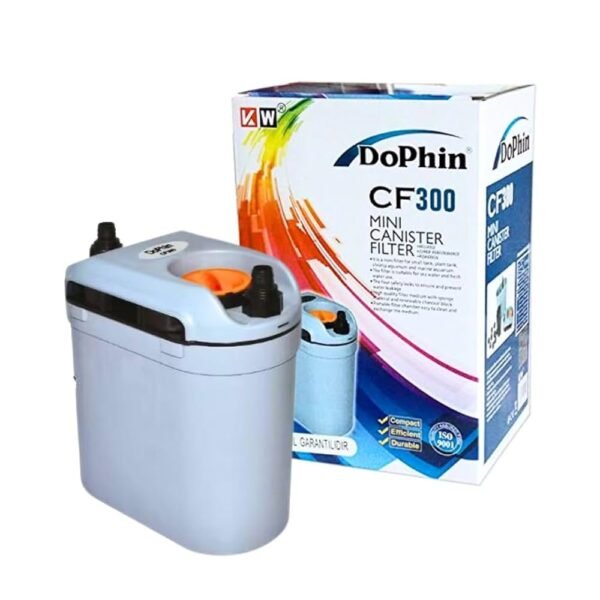
Filtration: Strong – messy and powerful fish.
-
Decor: Heavy rocks and driftwood (they dig and rearrange).
-
Water Change: 30–40% weekly.
👥 Social Behavior
-
Minimum Group Size: Best kept single or as a bonded pair.
-
Tank Mates: Other large, aggressive cichlids (Midas, Oscar, Jaguar, Plecos).
-
Avoid: Small, peaceful fish – will be attacked or eaten.
✅ Do’s
-
Provide a large tank with strong filtration.
-
Add sturdy decorations (they love digging).
-
Feed a varied diet for color and health.
-
Keep a tight lid – powerful jumpers.
❌ Don’ts
-
Don’t house with small or weak fish.
-
Don’t keep multiple males in the same tank.
-
Don’t overcrowd – leads to nonstop aggression.
-
Don’t skip water changes – they are heavy waste producers.
⭐ Quick Tips
-
Red Devil Cichlids are bold, aggressive, and full of personality.
-
They are often kept as wet pets, interacting with their owners.
-
Best suited for experienced aquarists with large aquariums.