

Description
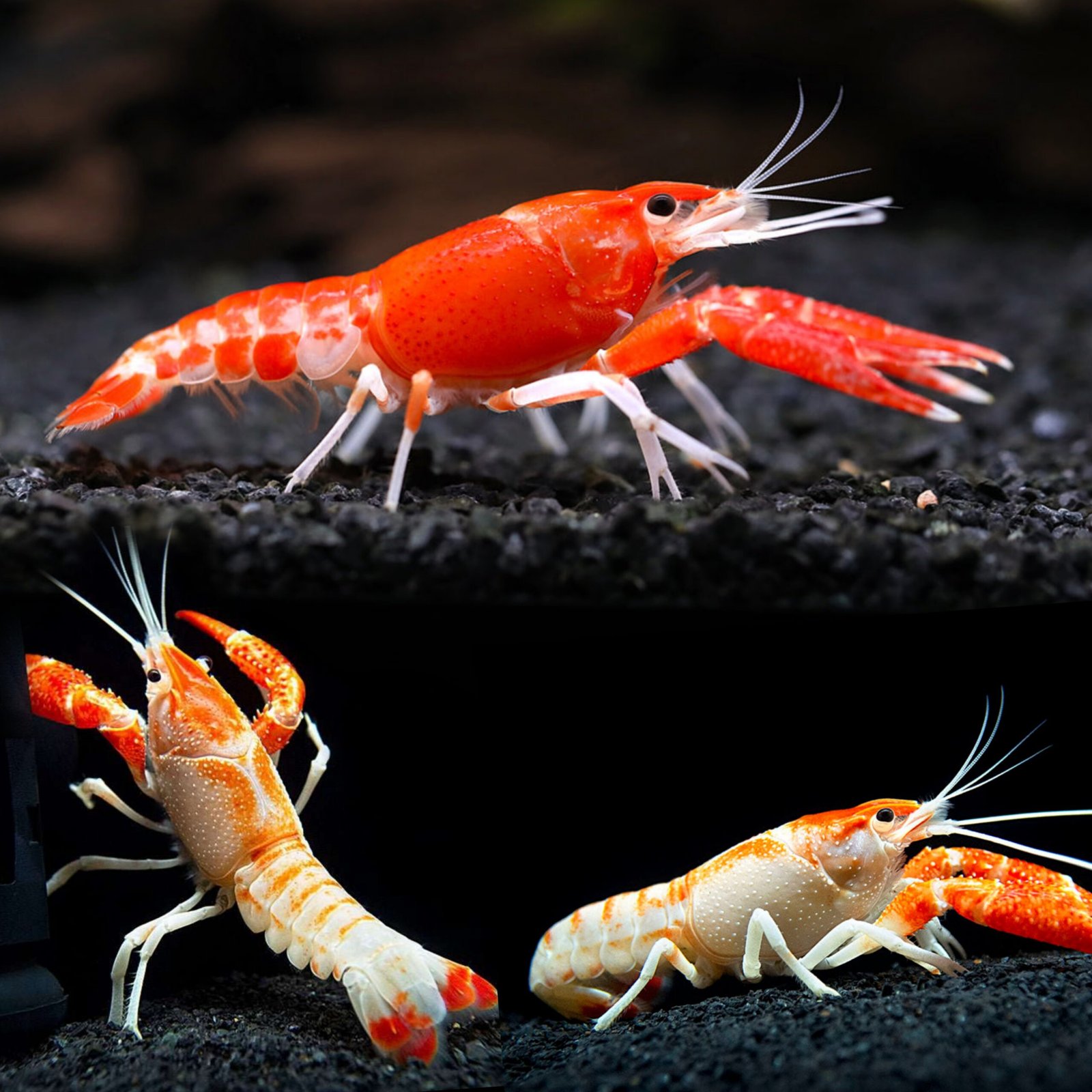
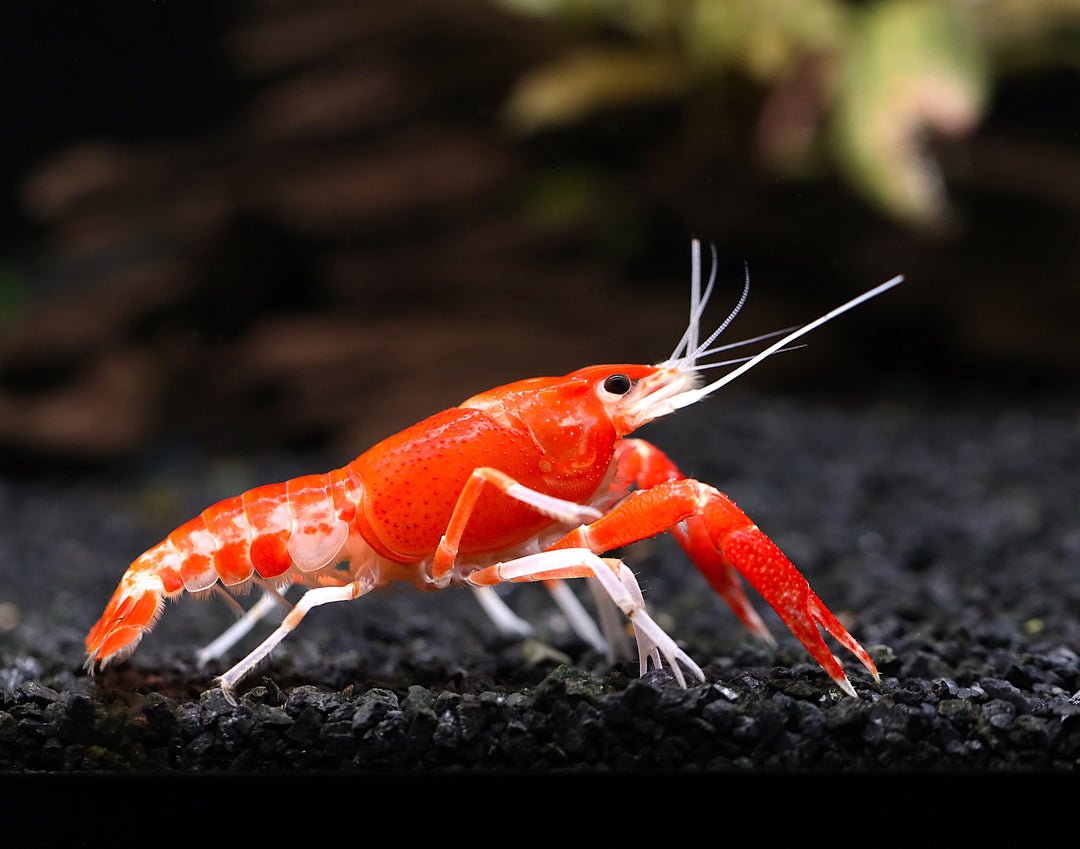
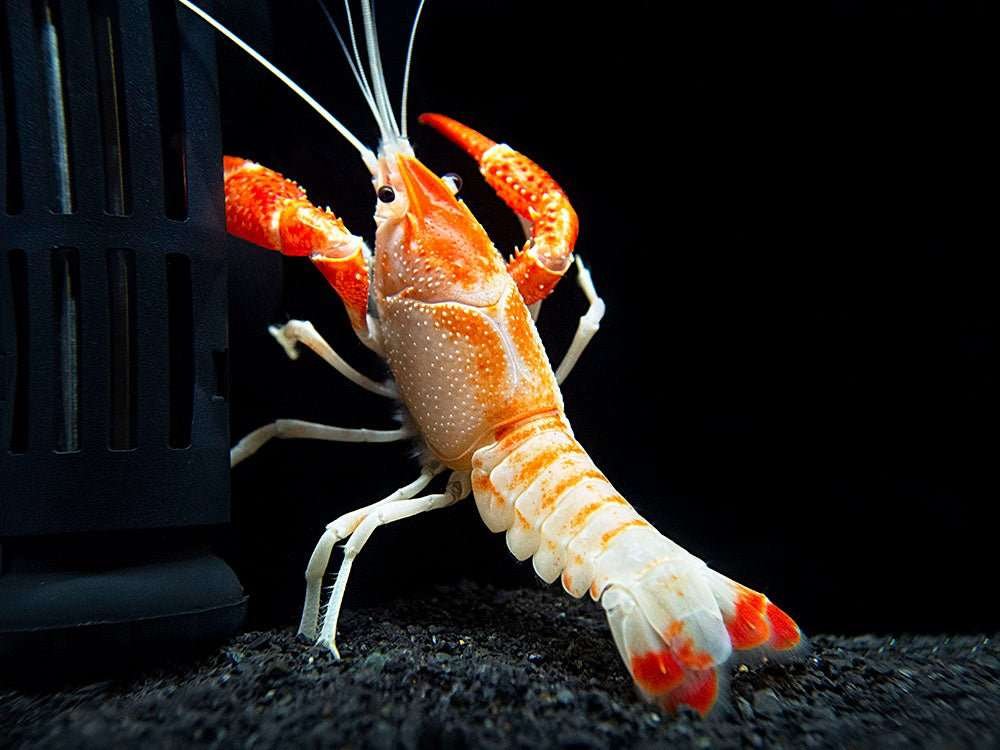
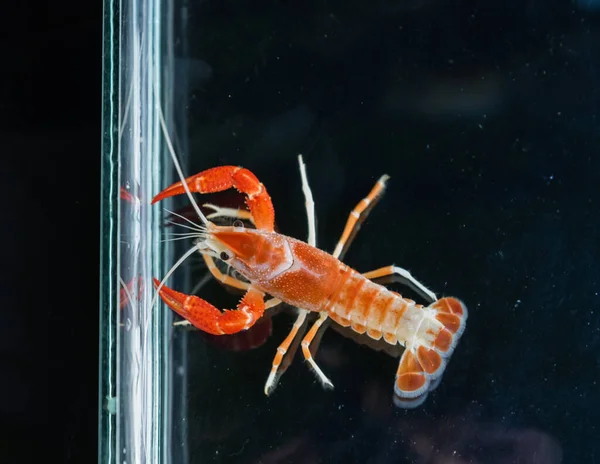
Red Ghost Crayfish (Procambarus clarkii – Red Ghost Morph)
📌 Basic Info
Scientific Name: Procambarus clarkii (Red Ghost morph)
Common Names: Red Ghost Crayfish, Ghost Red Lobster
Family: Cambaridae
Origin: Captive-bred morph (original species native to Southern USA & Mexico)
Size: 4 – 6 inches (10 – 15 cm)
Lifespan: 3 – 5 years
Tank Zone: Bottom dweller
🌊 Water Parameters
TDS: 150 – 300 ppm
pH: 6.5 – 8.0
Temperature: 20 – 26°C (68 – 79°F)
Hardness: 6 – 15 dGH
🦞 Characteristics
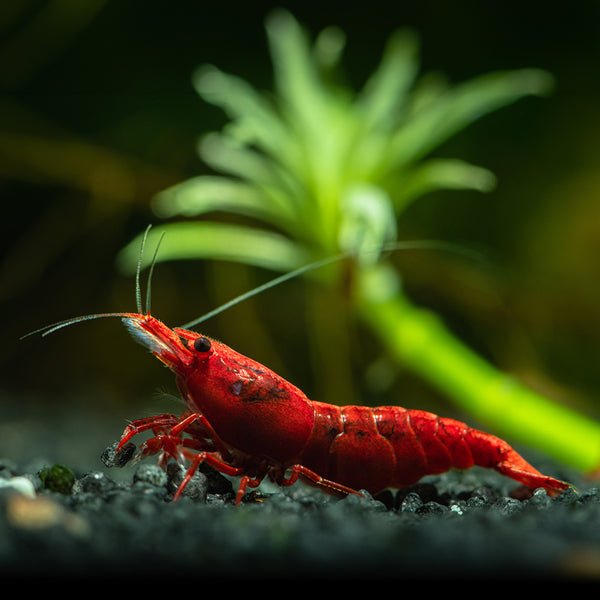
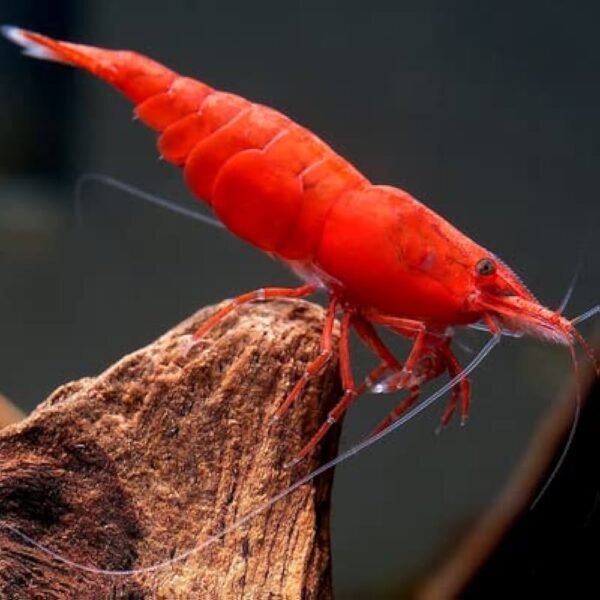
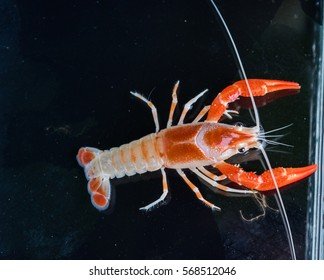
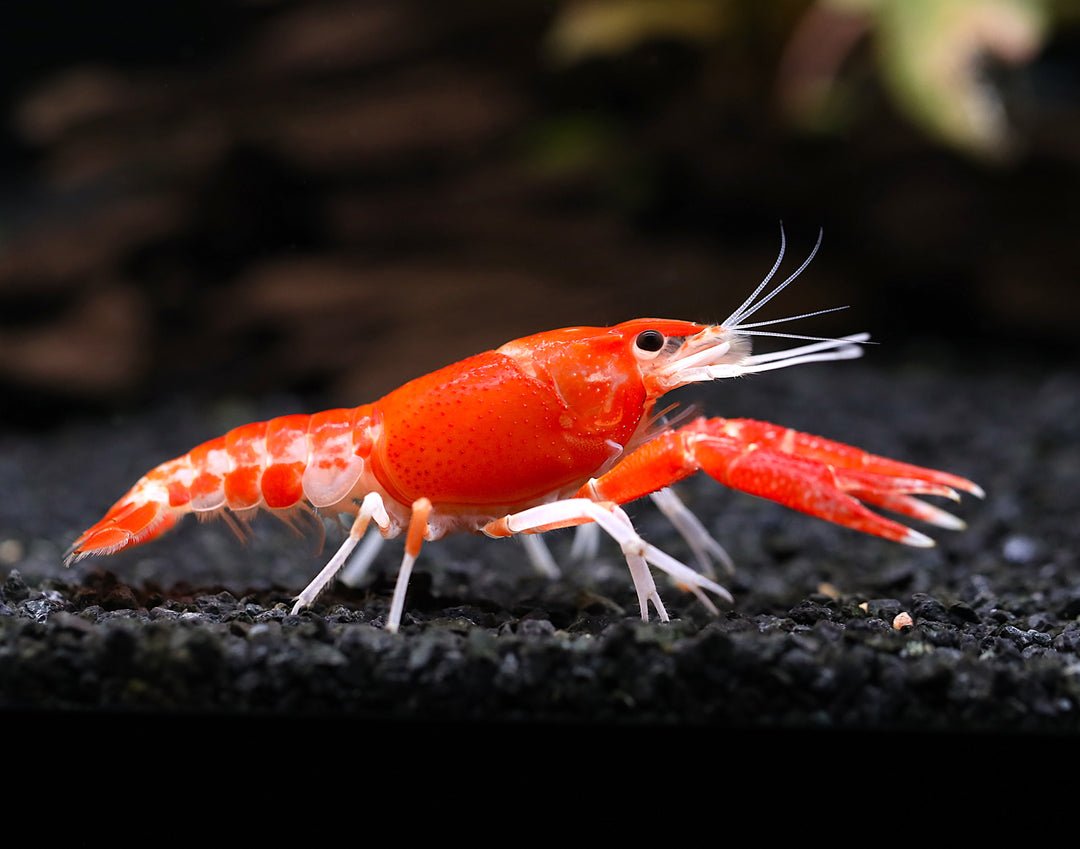
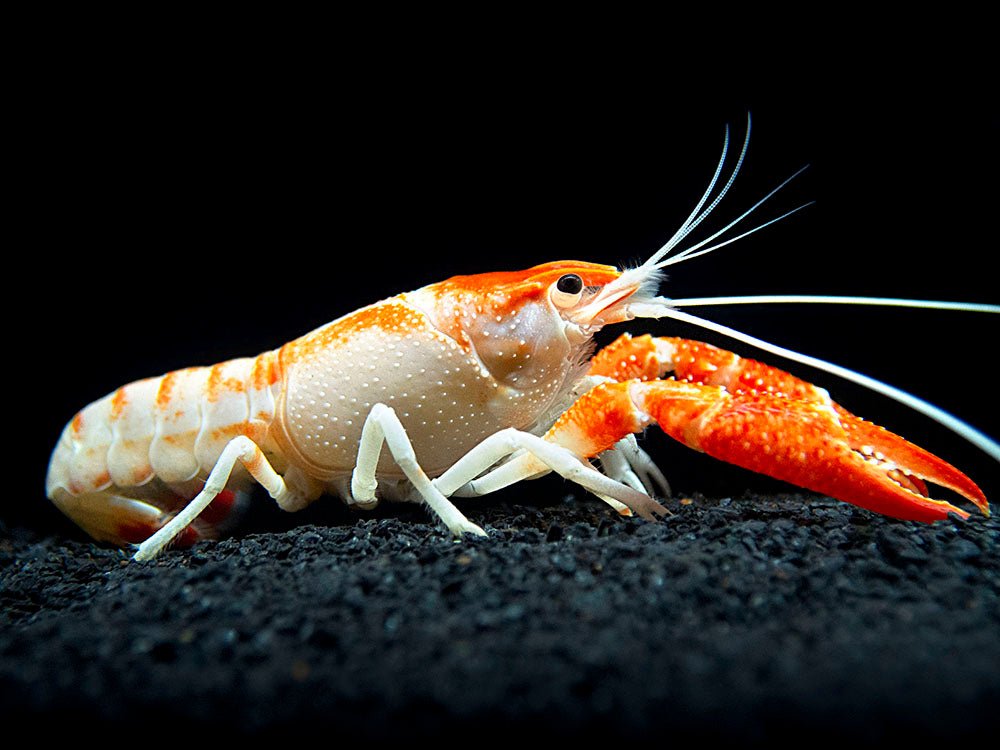
Pale, semi-transparent red exoskeleton with a “ghostly” appearance.
Some individuals appear bright red under aquarium lighting, while others show a faint pinkish glow.
Hardy and adaptable but aggressive toward tankmates.
Digs burrows and rearranges tank decor frequently.
Molts several times per year; very vulnerable during molting.
🍽️ Food
Type: Omnivorous scavenger.
Diet: Sinking pellets, algae wafers, blanched vegetables (zucchini, spinach, cucumber), protein foods (shrimp, bloodworms, snails, frozen fish food).
Feeding Schedule: Once daily, small amounts; remove leftovers.
🛠️ Tank Setup & Maintenance
Tank Size: Minimum 30 gallons per adult.
Filtration: Strong filter, as crayfish produce significant waste.
Decor: Provide caves, driftwood, PVC pipes, and rocks for hiding.
Substrate: Sand or gravel – allows digging and burrowing.
Water Changes: 25–30% weekly.
👥 Social Behavior
Territorial and best kept alone.
Can coexist with fast, upper-level fish like danios, barbs, or larger tetras.
May attack slow-moving or bottom fish, snails, and shrimp.
Multiple crayfish together = high risk of fighting unless tank is very large with many hiding spaces.
✅ Do’s
Provide multiple hiding spots for molting safety.
Cover the tank (they are excellent climbers).
Offer a balanced diet to maintain strong shell growth.
❌ Don’ts
Don’t keep with small community fish – risk of predation.
Don’t overcrowd with other crayfish.
Don’t expect delicate plants to survive – they dig and uproot.
⭐ Quick Tips
Eye-catching crayfish with a unique ghostly red coloration.
Hardy, beginner-friendly, but aggressive – best for single-specimen tanks.
Works best in a species-only tank or with carefully chosen fast-moving fish.