
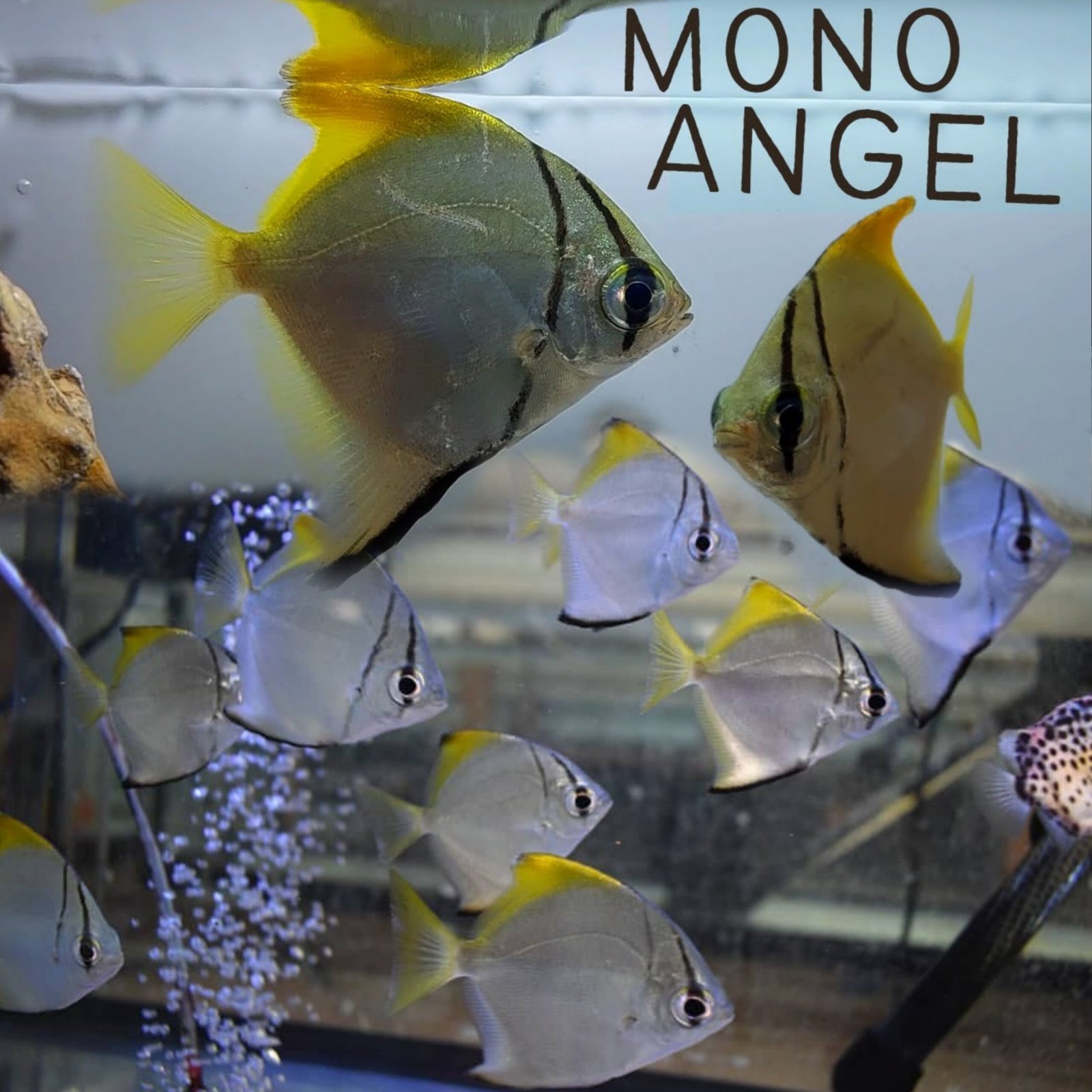
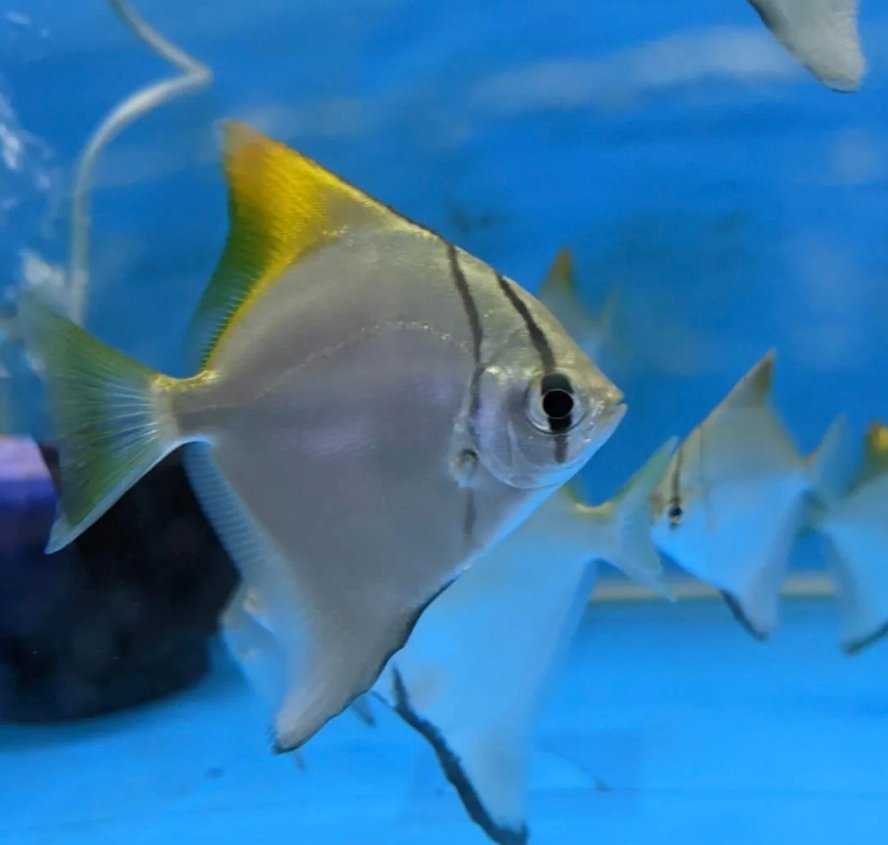
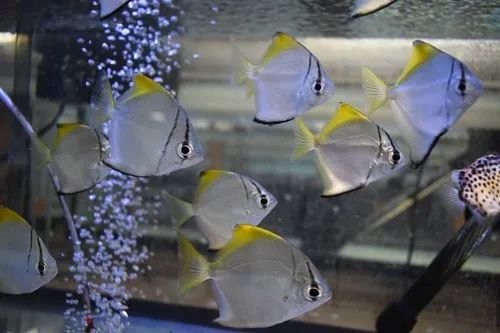
Description
Sea Angel Fish (Pomacanthus semicirculatus)
📌 Basic Info
Scientific Name: Pomacanthus semicirculatus
Common Names: Sea Angel Fish, Semicircle Angelfish, Koran Angelfish, Blue Koran
Family: Pomacanthidae (Marine Angelfish Family)
Order: Perciformes
Origin: Indo-Pacific region — Red Sea, East Africa, Indonesia, the Philippines, and northern Australia
Size: Up to 35 cm (14 inches)
Lifespan: 10 – 15 years (longer in the wild)
Tank Zone: Middle to bottom
🌊 Water Parameters
Temperature: 24 – 28°C (75 – 82°F)
pH: 8.1 – 8.4
Salinity: 1.020 – 1.025 SG
Hardness: 8 – 12 dKH
🐟 Characteristics
Body: Large, oval-shaped, laterally compressed body typical of angelfish species.
Coloration:
Juveniles: Deep blue with electric-blue curved lines forming semicircular patterns.
Adults: Greenish-blue to yellow body with blue-edged scales and a bold semicircular marking behind the gill cover.
Fins: Dorsal and anal fins are highlighted with blue edges and flowing rays.
Behavior: Intelligent, curious, and moderately territorial, especially as adults.
Special Feature: Known for its dramatic color transformation from striking blue juveniles to golden-green adults — a hallmark of the species.
🍽️ Diet
Type: Omnivorous (with a preference for marine algae and sponges)
Diet: Spirulina flakes, marine angelfish pellets, mysis shrimp, sponge-based frozen foods, and seaweed sheets.
Feeding Frequency: 2–3 times daily in small portions.
Tip: Supplement with vitamin-enriched marine foods to maintain vibrant coloration.
🛠️ Tank Setup & Maintenance
Tank Size: Minimum 500 liters (130 gallons) for adults.
Filtration: Strong biological and mechanical filtration; excellent water quality is essential.
Substrate: Crushed coral or aragonite sand to help stabilize pH.
Decor: Live rock structures for grazing, caves, and hiding areas.
Lighting: Moderate to bright — enhances color and encourages natural algae growth.
Water Change: 20–25% biweekly; maintain stable marine parameters.
👥 Social Behavior
Group Size: Best kept singly or as a bonded pair.
Tank Mates: Suitable with tangs, butterflyfish, and other large peaceful marine species.
Avoid: Other large angelfish or aggressive territorial species.
Compatibility: Semi-aggressive — can defend territory once established.
✅ Do’s
• Provide plenty of live rock for grazing.
• Maintain pristine water quality.
• Acclimate slowly when introducing to new tanks.
❌ Don’ts
• Avoid housing with smaller, shy reef fish.
• Don’t keep in small or newly cycled tanks.
• Avoid copper-based treatments — they can be harmful.
⭐ Quick Tip
The Sea Angel Fish (Pomacanthus semicirculatus) is one of the most stunning marine angelfish, admired for its color-changing beauty and regal presence. Ideal for large marine or FOWLR (Fish Only With Live Rock) aquariums, it offers a captivating blend of elegance and strength — a true “show fish” for serious marine enthusiasts.