

Description
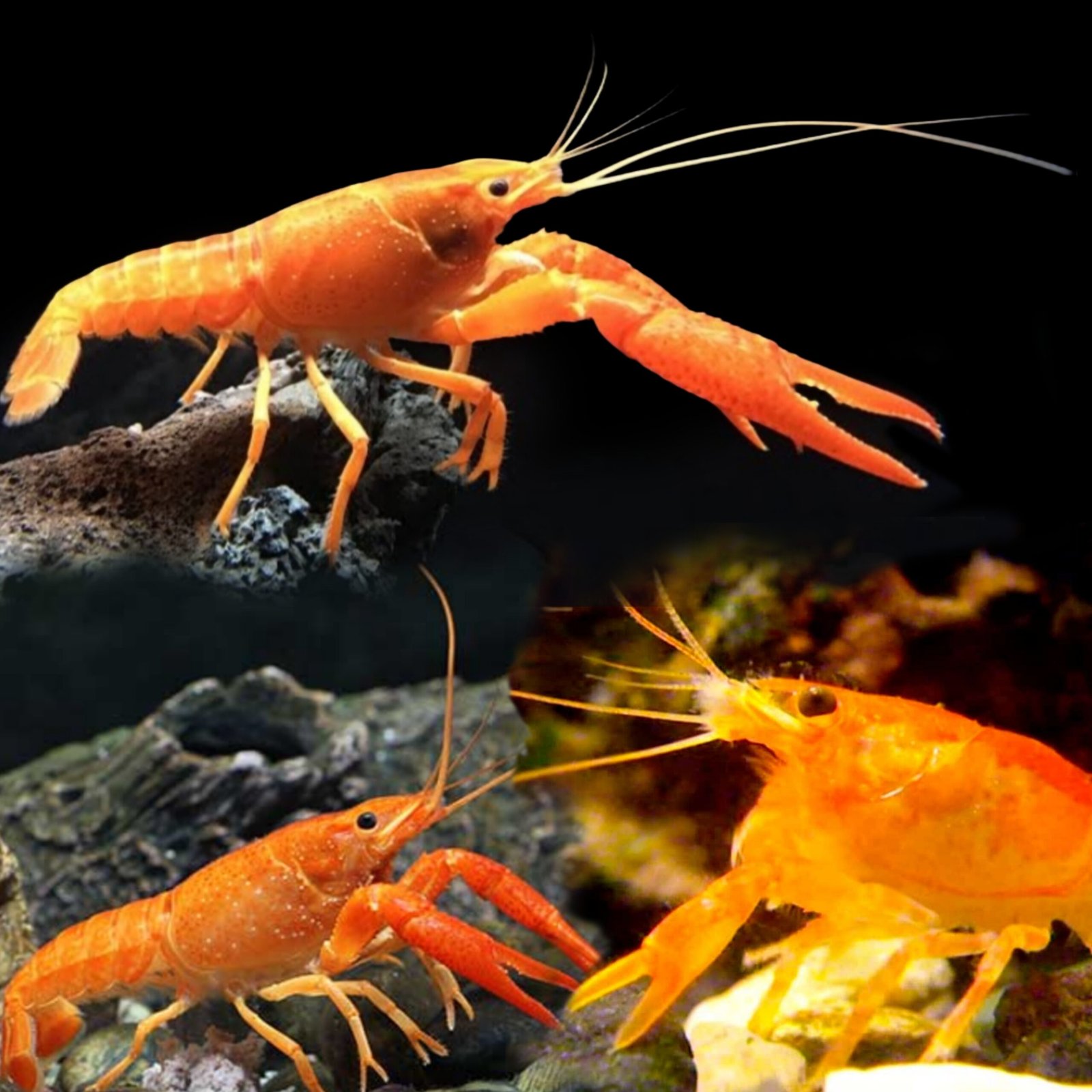
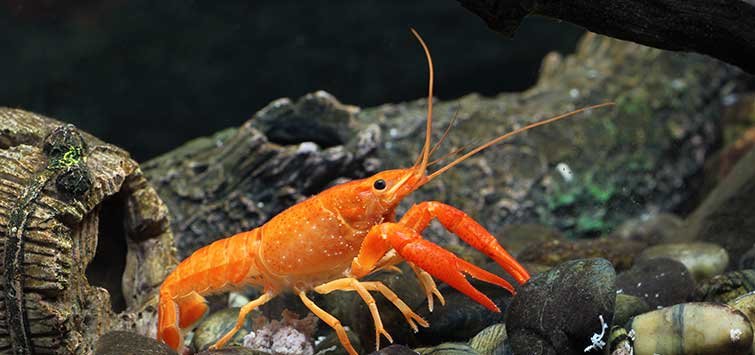
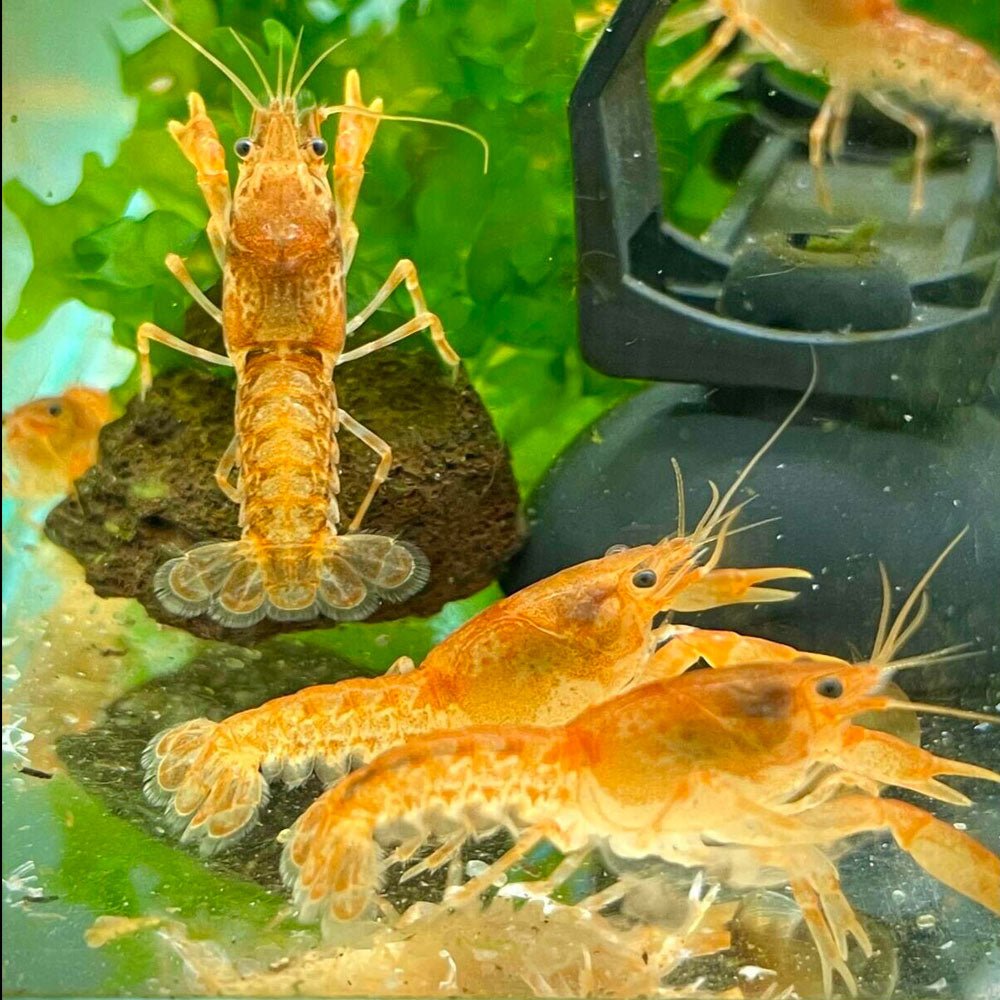
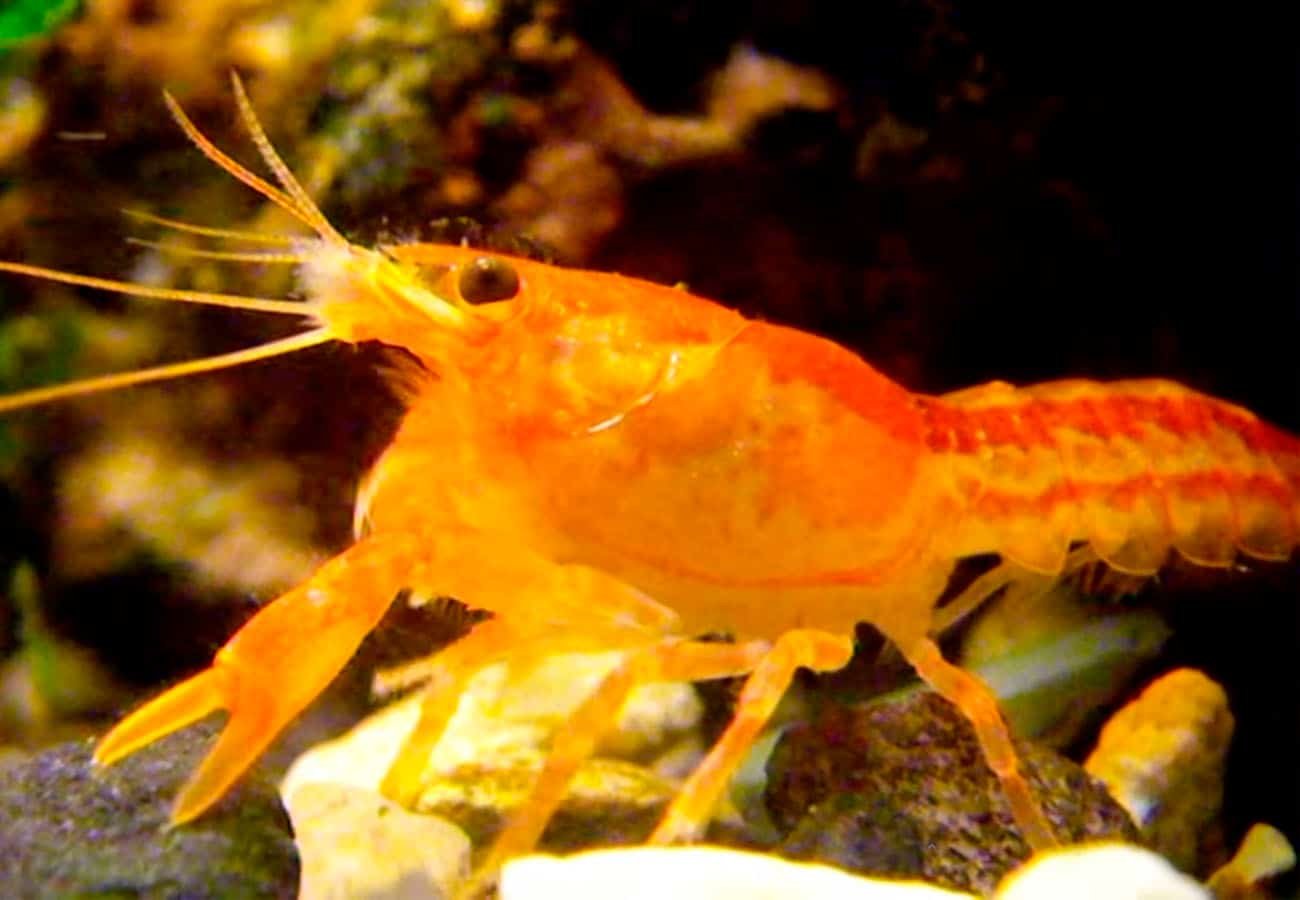
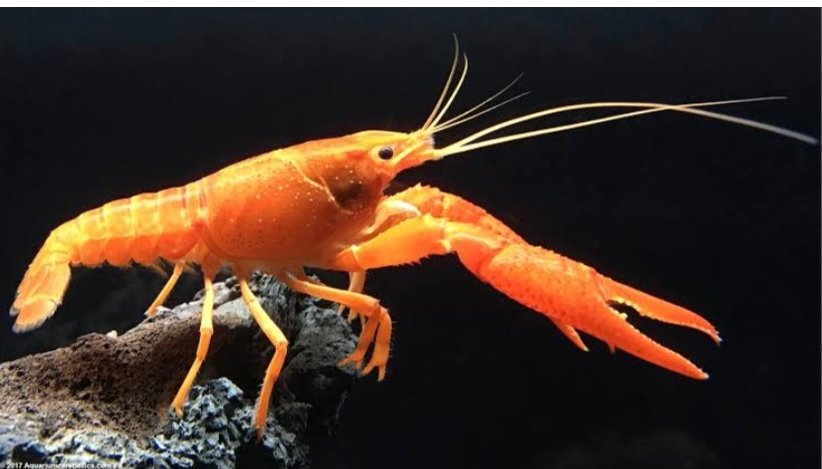
Orange Crayfish (Procambarus clarkii – Orange Morph)
📌 Basic Info
Scientific Name: Procambarus clarkii (selective orange color morph)
Common Names: Orange Crayfish, Orange Lobster, Bright Orange Crayfish
Family: Cambaridae
Origin: Captive-bred color morph (original species from Southern USA & Mexico)
Size: 4 – 6 inches (10 – 15 cm)
Lifespan: 3 – 5 years
Tank Zone: Bottom dweller
🌊 Water Parameters
TDS: 150 – 300 ppm
pH: 6.5 – 8.0
Temperature: 20 – 26°C (68 – 79°F)
Hardness: 6 – 15 dGH
🦞 Characteristics
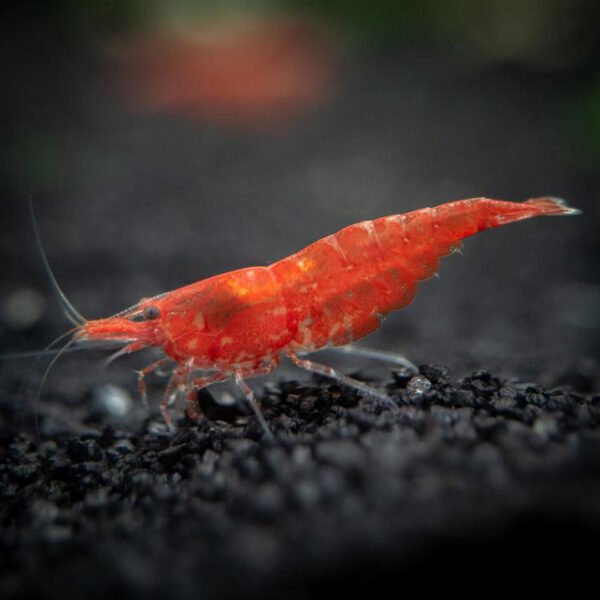
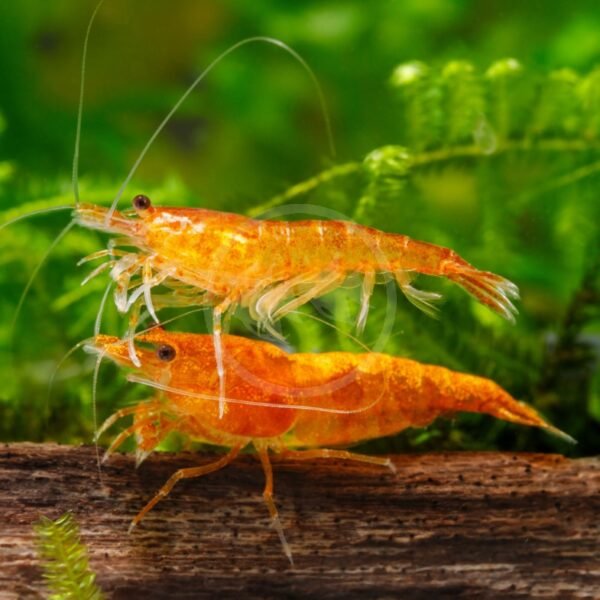
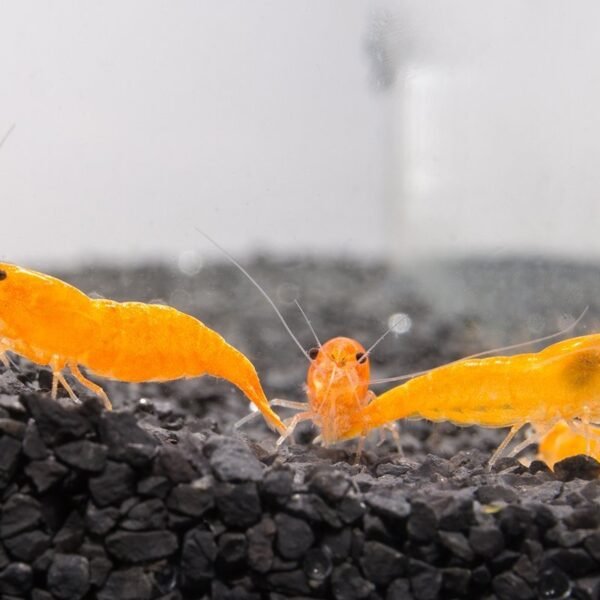
Bright, vivid orange shell – highly ornamental in aquariums.
Larger and more aggressive compared to dwarf crayfish.
Very active, known for digging and rearranging the tank.
Excellent climbers – always keep a tight lid on the tank.
Can regrow lost limbs after molting.
🍽️ Food
Type: Omnivorous scavenger.
Diet: Sinking pellets, algae wafers, blanched vegetables (zucchini, spinach, cucumber), live/frozen protein (bloodworms, shrimp, snails, fish food).
Feeding Schedule: Once daily in small portions.
🛠️ Tank Setup & Maintenance
Tank Size: At least 30 gallons per adult crayfish.
Filtration: Strong, efficient filter – crayfish produce a lot of waste.
Decor: Provide caves, PVC pipes, and driftwood for hiding places.
Substrate: Sand or fine gravel for burrowing.
Water Changes: 25–30% weekly.
👥 Social Behavior
Territorial and aggressive – best kept singly.
May catch and eat tank mates (especially slow fish or bottom dwellers).
If kept with fish, choose only fast, top-dwelling species.
Multiple crayfish in one tank can lead to fights unless the tank is very large with lots of hiding spots.
✅ Do’s
Keep the aquarium well-covered (they escape easily).
Provide multiple shelters for security during molting.
Feed a varied diet to enhance color.
❌ Don’ts
Don’t house with small or peaceful fish.
Don’t put in planted aquariums – they will uproot or eat plants.
Don’t overcrowd with other crayfish.
⭐ Quick Tips
Hardy, colorful, and eye-catching centerpiece in aquariums.
Much better suited for a species-only tank.
A great choice if you want a large, bright, and active crayfish to watch.